Why a Popular Ramen Shop Won't Franchise
In Japan, the person who makes the pillow well outranks the merchant who sells it.
 Search Engine · Why’s everybody going to Japan?
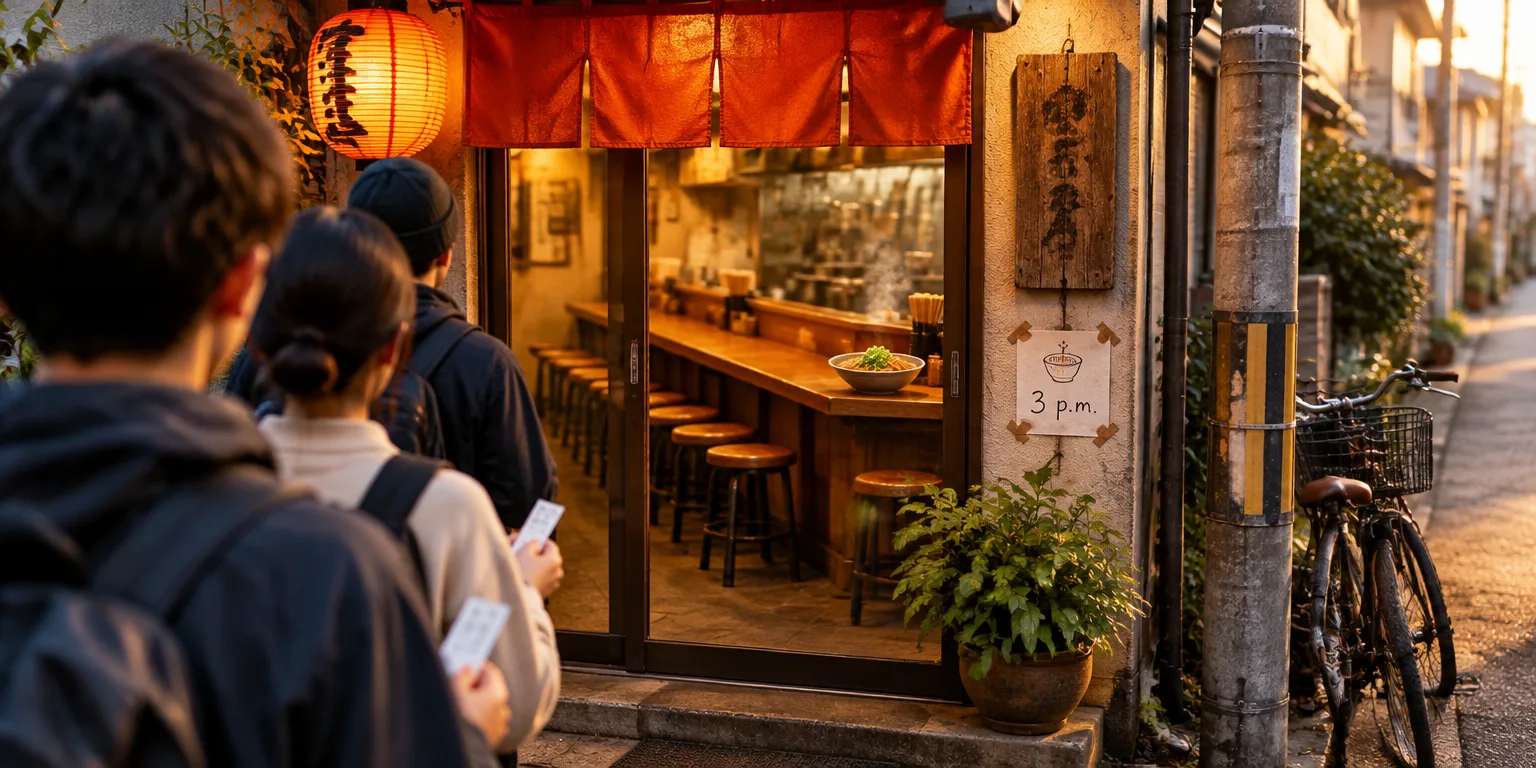
Roland Kelts, a Japanese-American professor at Waseda University in Tokyo, walks his visiting American friends to the best ramen shop in his neighborhood. There is a line around the block. At the door, they buy a ticket that says to come back at 3 p.m. for a seat at the little counter.
They come back at 3. They eat. His friends tell him it is the best ramen they have ever had in their lives, the best soup they have ever had, incredible.
Then, if they are business travelers, they ask the same question. Why does the owner not franchise this place? The answer, Kelts says, reflects a different idea of what business is for. Kelts thinks this dates to the Edo era in the 17th century, when people who made things ranked above merchants who merely sold them.
The Japanese word is shokunin, a craftsperson who makes something really well, whether sushi or ramen. An anime industry friend told Kelts, "the person who made the pillow and made it really well is the most valuable person."
In America, that friend said, the merchant who sells is number one, and nobody cares who made a five-dollar pillow in a faraway factory. Kelts said he has spoken with many chefs and owners about choices like this.
If it franchised, the owner would no longer control how the noodles are cooked. He would lose control of the negi, the spring onions, which come from a grower named Sato in Chiba who has the best ones and has supplied the shop for years. He could not vouch for the pork broth or the bamboo shoots if he opened a second shop in Yokohama.
The noodle cooking, onion sourcing, broth, and bamboo shoots are handled in that shop, for that shop. To many Americans, the obvious move is to expand to make more money. Kelts summed up that view as "grow, grow, grow, grow," and said Japan is not like that.
PJ Vogt, a journalist, put the contrast this way: "if you have a place that worships the biggest merchant, you're gonna have a lot of Walmart, and if you have a place that gives more status to the best craftsman, then you're gonna have more wonderful small places that do something really, really well."
Questions people ask
Why would a second shop necessarily taste worse?
Kelts does not say it certainly would. His point is that the owner could no longer control the details that make the bowl, how the noodles are cooked, spring onions from Sato in Chiba, and pork broth and bamboo shoots prepared in house. Staying small keeps those details specific to that site.
Does this mean Japan has no big chains?
No. Japan has large chains, convenience stores, and franchise systems. The point is about status and choice: many skilled owners prefer to stay small and excellent rather than grow.
Can a tourist find a shop like this without a friend in Tokyo?
In Kelts's story, the friends look the neighborhood shop up on Google, then buy a ticket for a 3 p.m. seat at a small counter. Expect to wait and to return at the assigned time. The story does not explain how to find other shops.