A Record Month at the Port Has One Operator Fearing What Comes Next
Weston LaBar's 85-acre yard beside two major ports cannot relocate, so a slump after the surge would hit trucking and warehousing hard.
 Marketplace · Import prices ran hot in October
Weston LaBar, who runs strategy for Waterfront Logistics near the Port of Los Angeles, has just lived through the busiest month in the port's history. When asked what keeps him up at night now that business is booming, he answered that his worry is “what does it look like once volumes start to wane.”
“We can’t pick that up and move it,” he said of his company’s 85-acre campus beside the ports of Los Angeles and Long Beach.
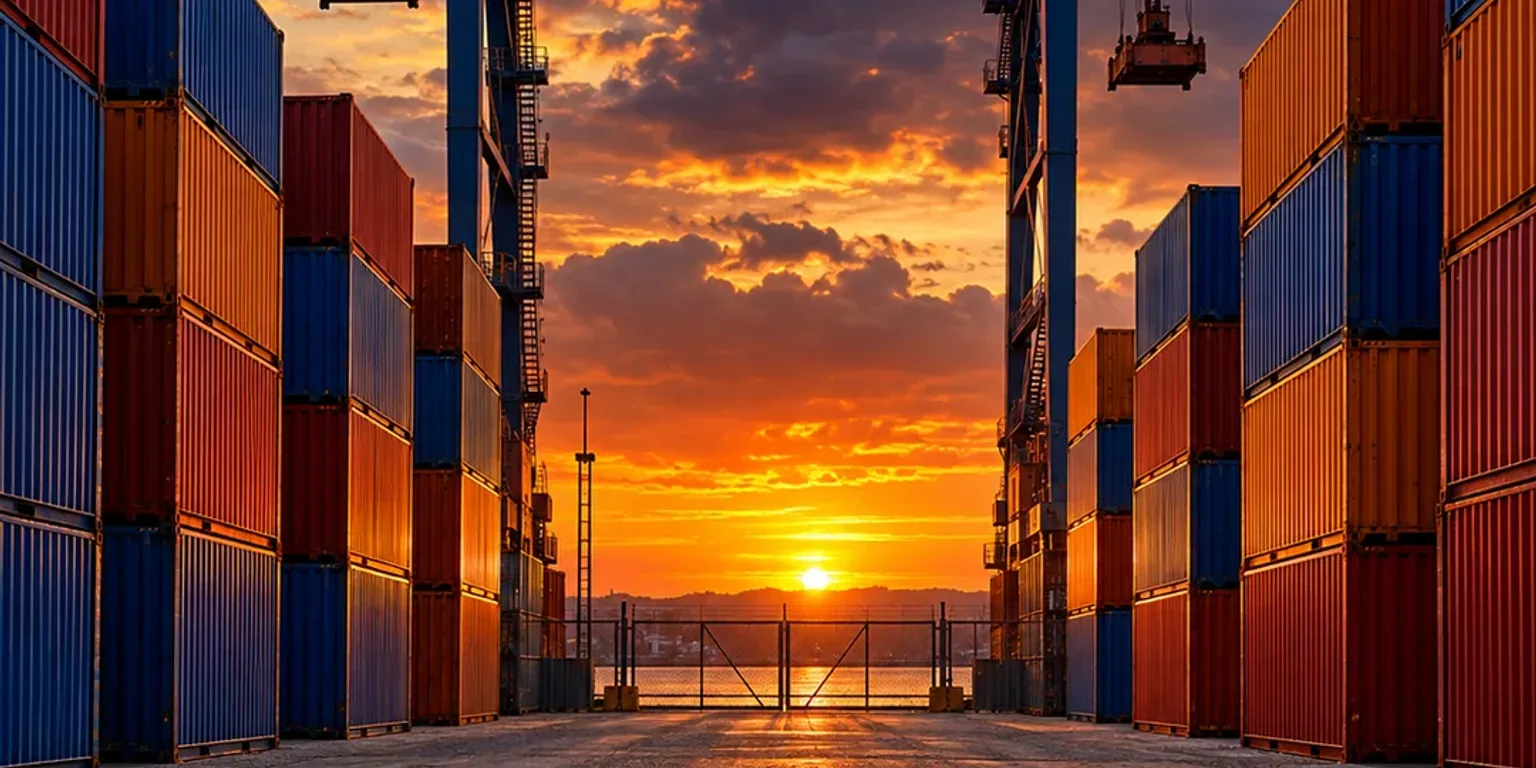
Last month, Los Angeles moved more than one million TEUs, the industry term for standard 20-foot containers, in a single month for the first time. LaBar argues that heavy volume does not mean smooth sailing, because it brings downstream congestion, plus unpredictable hits from typhoon delays in Asia and a coming contract negotiation for local port watchmen.
LaBar said his warning comes from experience. In 2018, tariff-driven buying produced record volumes, and “then the first quarter of 2019 was one of the worst quarters” and helped kick off a trucking recession.
He fears the same whiplash now, with inflation high and consumer confidence lower than it has been in more than a decade. Once inventories are rebuilt, he said, shoppers may stay home and “keep some money in a rainy day fund,” and that pullback could put catastrophic downward pressure on trucking, warehousing, and logistics.
A trucking company can sometimes move its trucks to where freight is stronger, LaBar said, but a portside yard cannot follow the work. His operation has stayed full since the summer and has added land and resources, yet it remains tied to what flows through Los Angeles and Long Beach, depending both on imports coming in and on exports going out, including whether foreign buyers keep buying U.S. goods.
So he says capacity planning has to track global trade, because a customer’s promise of 100 moves a week at a set rate can rise or fall quickly. As he puts it, “I’m living the dream one nightmare at a time.”
Questions people ask
What is a TEU?
A TEU stands for twenty-foot equivalent unit, the standard box used to count container traffic. One 40-foot container equals two TEUs, so ports use the measure to compare volume across ships, terminals, and months.
Why would record imports be followed by a trucking downturn?
Retailers sometimes order heavily ahead of tariffs, price increases, or expected shortages. When shelves and warehouses are full and shoppers pull back, imports can fall sharply, leaving too many trucks, drivers, and warehouse spaces chasing too little freight, which pushes rates down.
Why can't a portside operator just move where the work is?
A portside campus is built to receive, store, and transfer containers arriving by ship, with pavement, equipment, leases, and workers fixed in place. If trade shifts to other ports or consumer spending drops, the operator cannot haul that infrastructure elsewhere and must wait for local volume to return.