A Returned $449 Nintendo Switch Was Tested, Reboxed, and Resold for $359 in 16 Days
The console was fully functional, and software picked where to relist it for the best return.
 Yahoo Finance · A Dyslexic High School Dropout Tackled the Massive Problem of Online Returns. This Year, His Business Will Make Over $500 Million.
Late one afternoon in May, a shopper handed a Nintendo Switch 2 back across a Walmart counter. The console had sold for $449, and now Walmart had to figure out what to do with it.
A new console can go straight to the shelf, but a used one cannot. Someone has to check its condition, decide whether it is worth saving, and find it another buyer.
In this case, the console went directly to a facility run by ReturnPro, a company that handles returns for retailers. There, staff concluded that fixing it up and finding a new buyer would bring in more than returning it to the supplier or selling it off cheap.
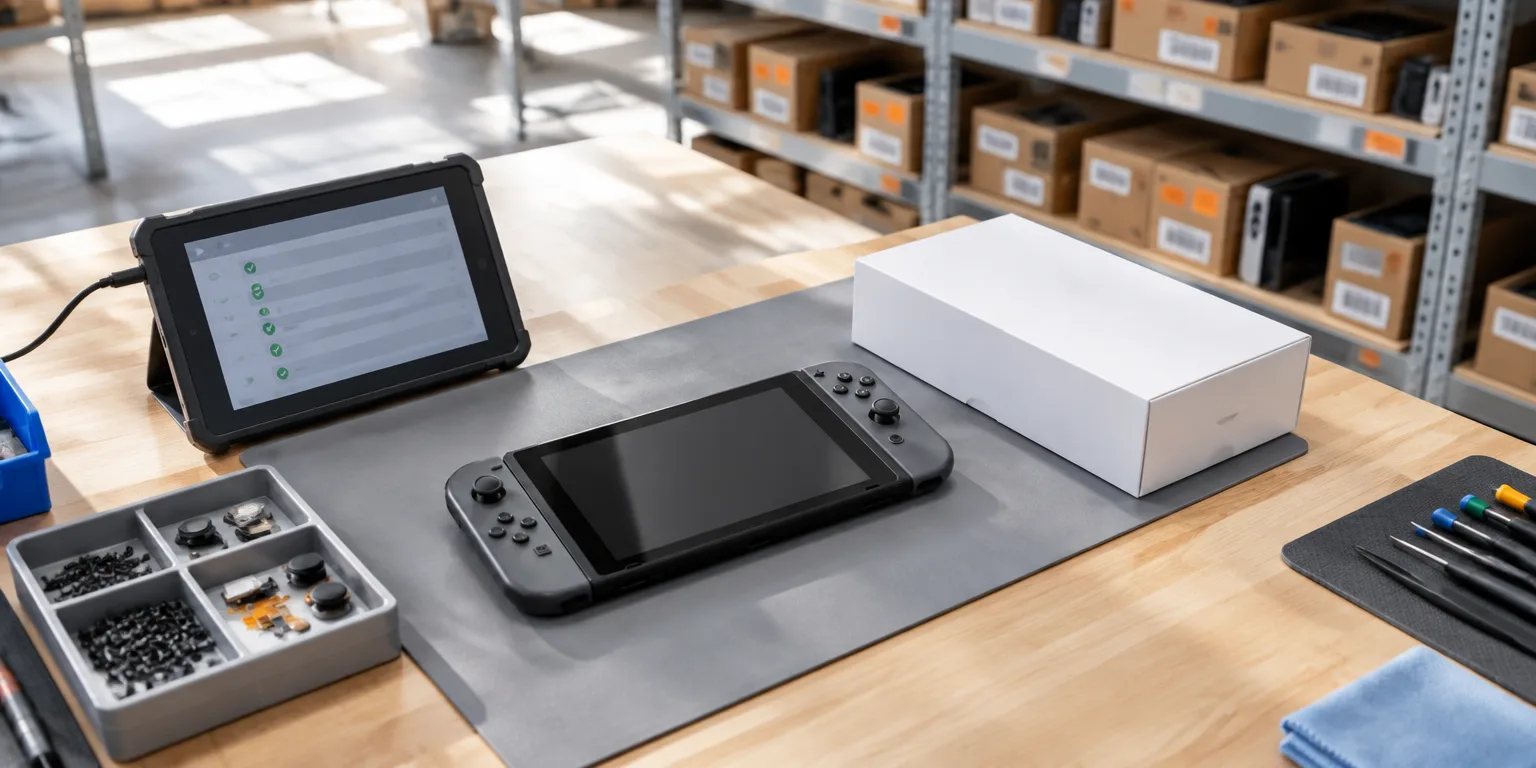
Technicians tested it and found it fully functional. They wiped it down, swapped out some extra parts, and packed it in fresh packaging. Then ReturnPro analyzed demand, pricing fees, and how fast similar consoles were selling across over two dozen resale outlets, and listed it in several places, including Walmart Marketplace, eBay, and VIP Outlet, a discount site it created.
Three days later, it sold on eBay for $359, about 80 percent of the original price. From return to resale took 16 days in all.
Walmart still lost money on the return, but far less than if the console had been thrown away, an outcome that helped both the retailer and the environment. Sylvester John, Walmart's U.S. chief for handling returns, says Walmart now keeps over 90 percent of waste out of landfills throughout its operations and aims to reach 100 percent.
The console that came back that afternoon was tested, repackaged, and sold again in just over two weeks.
Questions people ask
Why did Walmart lose money if it resold the Switch for $359?
The resale price is not pure profit. Walmart had already paid for the original shipping and sale, then paid for return shipping, warehouse handling, testing, cleaning, new packaging, and the fees charged by the resale marketplace. Those costs add up, so recovering 80 percent of the retail price still leaves a loss, just a smaller one than junking it.
Why send a return to an outside company instead of restocking it at the store?
Store staff are set up to sell new goods, not to diagnose used ones. A returned console needs testing, cleaning, missing parts, reboxing, and a pricing decision across many online channels. ReturnPro specializes in that work across large volumes, which lets retailers avoid building repair benches and resale software inside every store.
What happens to returns that cannot be refurbished?
They are routed down a value ladder. Options include selling them cheaply to liquidators, recycling parts and materials, or donating usable goods. Landfill is the last resort, and large retailers now track how much they divert from it as both a cost and sustainability measure.