A SEAL commander blamed himself for a death his men said was their fault
He walked into the debrief expecting to be fired, and walked out more trusted than before.
 TEDx Talks · Extreme Ownership | Jocko Willink | TEDxUniversityofNevada
Ten minutes before the meeting that could end his career, Jocko Willink finally understood his briefing was wrong. Willink, a Navy SEAL commander in charge of SEAL fighters in Iraq, had spent hours listing every mistake in a disastrous operation, and who had made it. As Willink put it, "There was plenty of blame to go around," and he had planned to spread it.
A few days earlier, in the spring of 2006, Willink had led an operation in Ramadi, a city in western Iraq that was then the center of the insurgency. His force included Iraqi government soldiers, American soldiers and Marines, and small groups from his SEAL team, the Navy's elite commando force.
In confusion, gunfire, and bad luck, the Americans and Iraqis began shooting at each other. When the firing stopped, one Iraqi soldier was dead, two more Iraqis were wounded, and one of Willink's men was wounded. Back at base, Willink found orders to shut down all operations while his commanding officer, his unit's senior enlisted leader, and an investigating officer traveled to question him.
This is a story about what a leader does when there is no one left to blame. Willink first did what many bosses do, and built a case against his own people. Then, alone with his notes, he realized the only person responsible for the confusion, the wounded, and the dead man was himself.
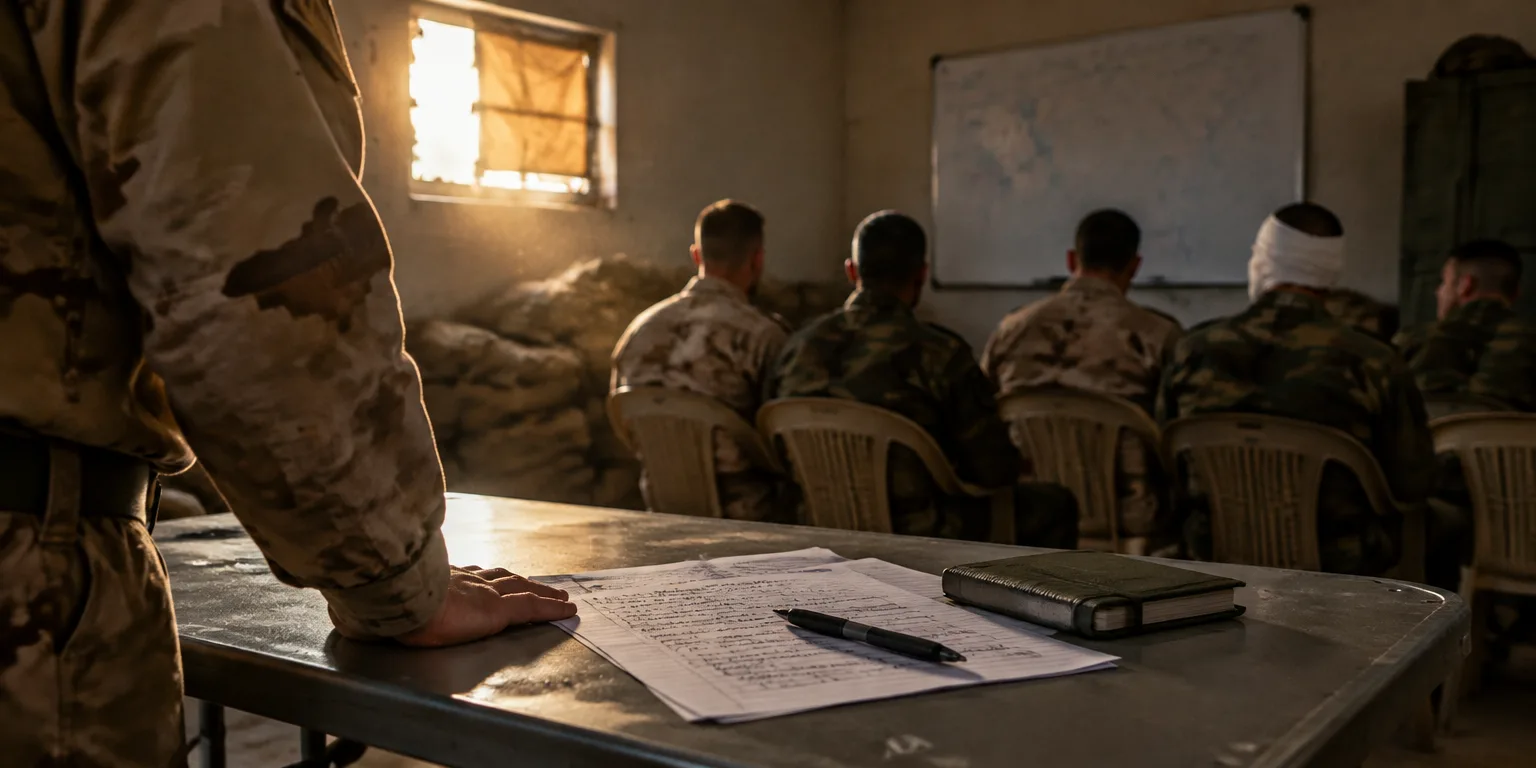
He walked into a room where his bosses sat waiting, along with his men, including the wounded SEAL with his head and face bandaged in the back. Willink stood up and asked a simple question: whose fault was this?
One SEAL said it was his, for losing control of the Iraqi soldiers. Another said it was his, for not radioing their building's location fast enough. A third said, in effect, boss, I pulled the trigger that killed our ally. Willink told each man no. Pointing around the room, he said none of them were at fault. Willink said, "I am the commander, I am the senior man on the battlefield, and I am responsible for everything that happens; everything." He then laid out new tactics and procedures to make sure it never happened again.
It hurt his ego and his pride, Willink said, but he had to control his ego so it would not control him. He was not fired. His commanding officer, who had arrived expecting Willink to deflect, trusted him more afterward. His men did not lose respect for him, because they saw he would never push the burden of command down onto them.
Questions people ask
What does Willink mean by extreme ownership?
It is Willink's term for a leader taking complete responsibility for everything in his charge, including mistakes made by other people. The idea is that if a subordinate fails, the leader failed to train, communicate, or supervise properly. Once the leader accepts that, he can fix the problem instead of arguing about whose fault it was.
Was he punished after the friendly-fire incident?
No. Willink says he expected to be relieved, since he had been told to shut down operations and prepare to explain what went wrong. Instead, his commanding officer trusted him more because he took responsibility rather than offering excuses. Willink continued to lead SEALs in Ramadi during a deployment known as one of the fiercest of the Iraq War.
What usually happens after friendly fire in the U.S. military?
In combat, firing on friendly troops, called fratricide, is considered one of the worst failures and is investigated up the chain of command. Investigations look at planning, communication, identification of targets, and who was in charge. In this case, the inquiry ended with Willink retaining command and changing procedures to prevent another incident.