A Seeing-Eye Dog Still Beats AI at a Busy Intersection
Mark Cuban argues human judgment and instant reading of real life will keep an edge no machine can match.
 3 Takeaways · Mark Cuban: What Everyone Is Getting Wrong About AI (#319)
Mark Cuban, the entrepreneur and investor, was asked where people matter more as artificial intelligence spreads.
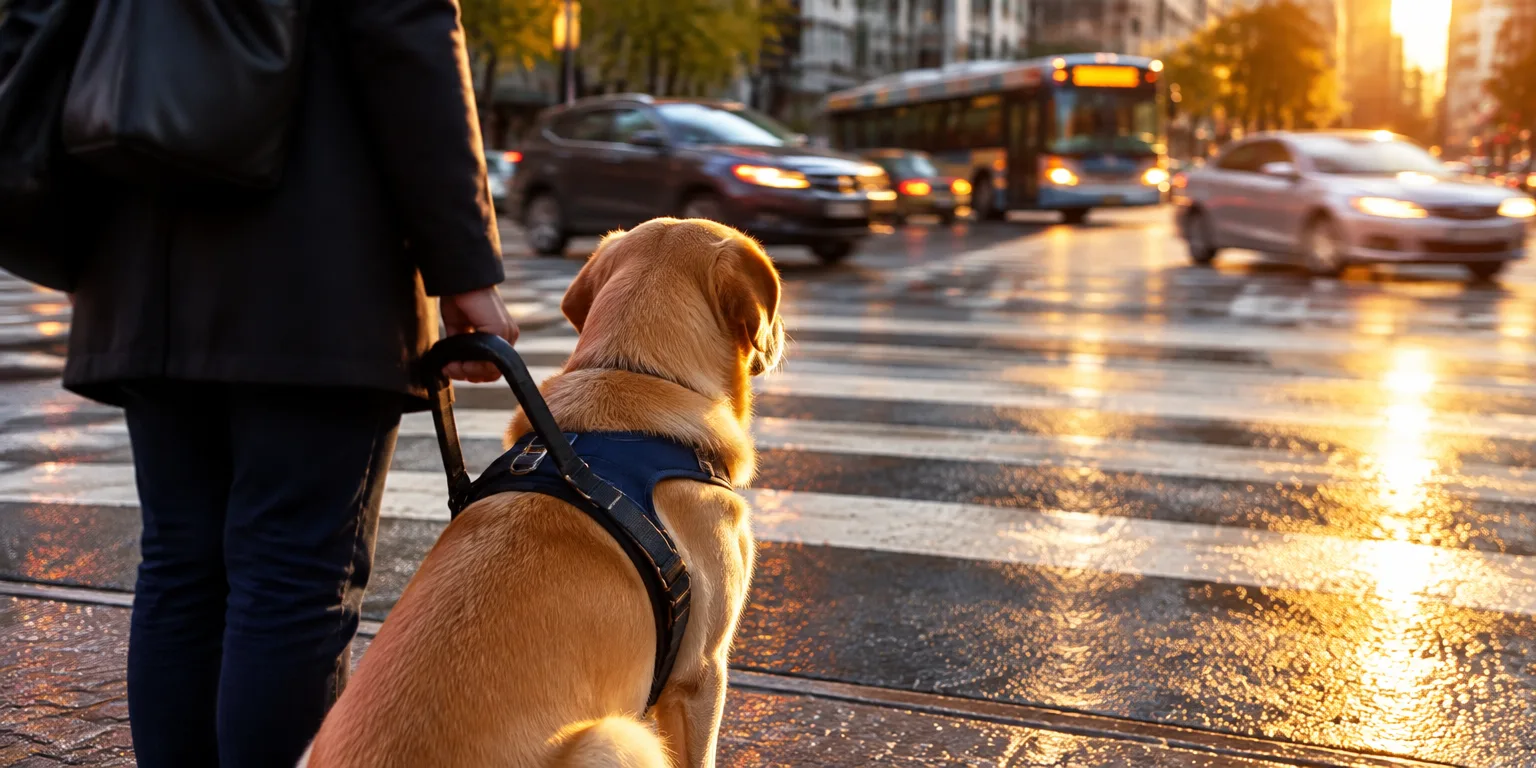
His answer came fast. “If you’re standing at a four-way street corner, right, and there’s traffic, I’d trust a seeing-eye dog before I would trust AI,” Cuban said.
Cuban argues that the edge is real-time interpretation. People do not just collect information, he says, they judge it through the context of their own lives. Two people can look at the same crowded corner, the same hesitating driver and hurrying pedestrian, and reach different conclusions about what to do next, particularly when personal interaction is involved. That judgment, he believes, will always be there.
The second edge, in his view, is speed. Humans see and interpret with no delay, while, as Cuban put it, “AI needs more and more processing power” to keep up. Right now, he notes, AI mostly handles text and pictures, with very limited video. As machines try to take in more of a live, moving worldview, with real-time video and shifting visuals, he says the job will only get harder for them.
Cuban is no skeptic about using the technology. He says a new AI assistant that sorts his email and news alerts has made his work life much more efficient in the past two weeks. But efficiency is not the same as understanding, in his telling.
Experience still matters, he says, and so does the personal touch. Our ability to watch real life unfold and decide far more quickly than AI, he argues, will never be replaced.
Questions people ask
Why is live video harder for AI than text or photos?
Video is a flood of data compared with a single image, with motion, depth, sound, and cause and effect changing many times per second. An AI system must track objects across frames, guess intent, and do it fast enough to act, which takes far more computing power and can introduce delay. Humans evolved to do much of that instantly and almost effortlessly.
Can a seeing-eye dog really handle a four-way intersection?
Yes, with training and teamwork. A guide dog, typically a Labrador retriever, golden retriever, or German shepherd, is taught to stop at curbs, avoid obstacles and oncoming cars, and respond to the handler's cues about when and where to go. The person listens for traffic patterns and gives the command, while the dog keeps them in a straight, safe line.
If humans keep this edge, should people still bother learning AI?
Cuban says yes, and he uses AI himself as a work assistant. He treats programs like Claude as fast interns for drafting, summarizing, and sorting information, saving human judgment for decisions. In his view, the advantage goes to curious people who know how to direct the tool rather than fear it.