A Senator Talked for 24 Hours to Block Civil Rights Legislation
He apparently used steam baths to dehydrate himself so he would not need a bathroom break.
 Civics 101 · How a Bill (REALLY) Becomes a Law
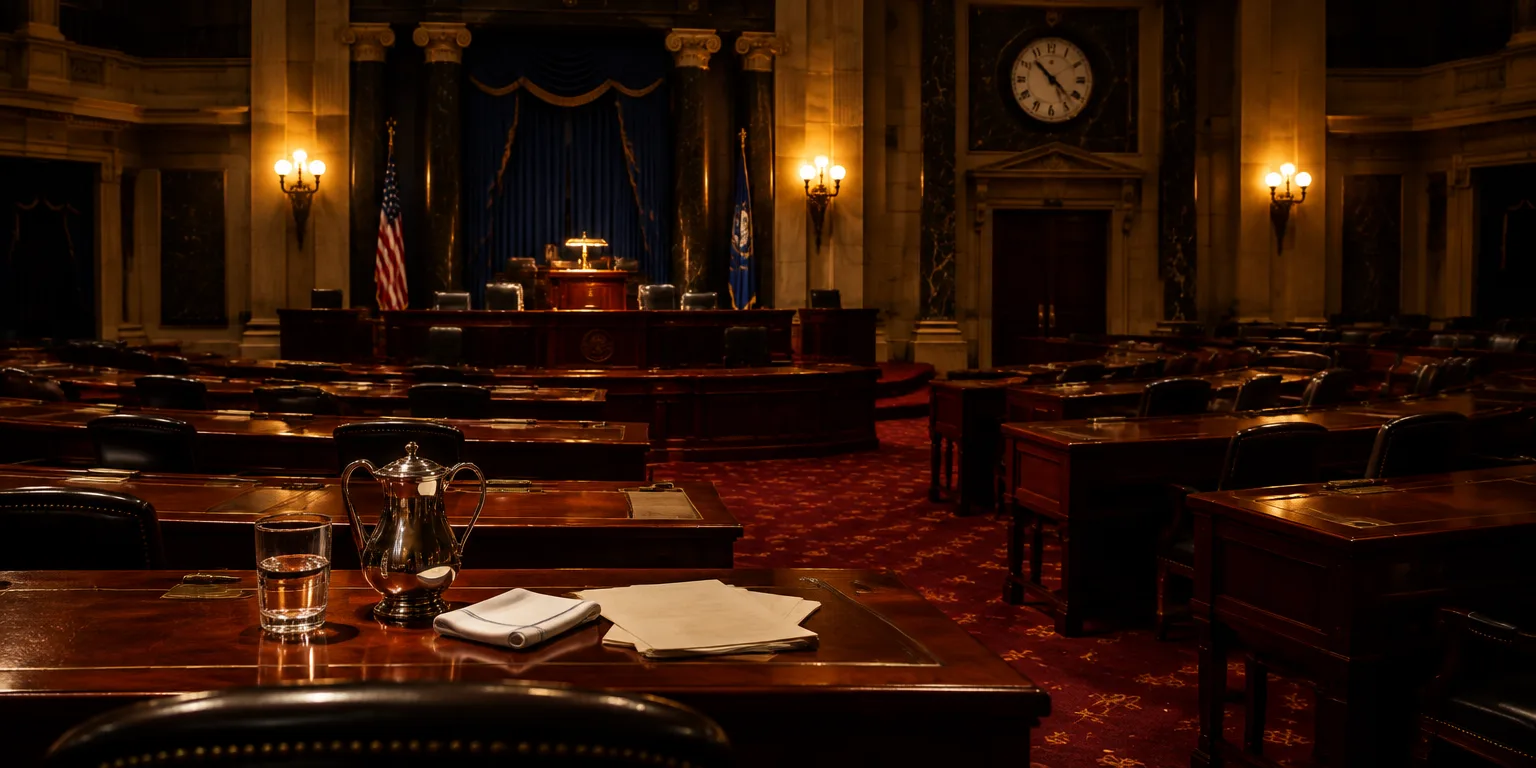
Senator Strom Thurmond would not sit down. For hour after hour on the Senate floor in 1957, he kept talking in an effort to stop a civil rights bill.
He had prepared his body for the ordeal. He reportedly used steam baths ahead of time to dehydrate himself, so he would not have to pee. By the time he finally stopped, he had spoken for more than 24 hours, the longest filibuster on record.
This is what a filibuster once required. Eleanor Powell, a political science professor at the University of Wisconsin, says a filibuster is any delay or obstruction that any individual senator can carry out. In the Senate, unlike in the House, there is no Rules Committee to limit debate, so a senator can talk for as long as he likes.
In the House, a Rules Committee sets the terms for debate, including how much time each side receives, which amendments are allowed, and when votes occur. The Senate has no such gatekeeper. That freedom has produced memorable spectacles, including Texas Senator Ted Cruz reciting the children's book Green Eggs and Ham on the floor in 2015 while trying to stop the health care law.
At the time Thurmond spoke, that freedom meant holding the floor and talking until a speaker could talk no more, while opponents waited him out. The formal way to stop him was cloture, a Senate vote to shut down discussion and proceed to a decision, which needs 60 supporters out of 100, a very difficult threshold to meet.
Thurmond's marathon showed how high the cost of obstruction once was. It demanded planning and stamina, down to deliberate dehydration.
That cost has now largely disappeared. Senators no longer have to hold the floor and talk themselves hoarse. They simply signal that they intend to filibuster, and the majority must either try to find 60 votes for cloture or give up. In effect, if 41 senators say they would block a bill, the bill is blocked, with no physical endurance required.
The old all-night marathon has been replaced by a threat. Thurmond holds the record.
Questions people ask
Did Thurmond's filibuster actually stop the bill?
No. Thurmond spoke for 24 hours and 18 minutes against the Civil Rights Act of 1957, but the Senate passed the bill shortly after he finished. It was the first federal civil rights law since Reconstruction, though it was much weaker than later laws.
What is cloture and why does it take 60 votes?
Cloture is the Senate's formal way of ending debate. It now requires 60 votes out of 100, meaning a minority of 41 senators can keep debate alive and prevent a final vote. If cloture succeeds, the Senate stops talking and votes.
Do senators still do talking filibusters today?
Rarely. Senators sometimes still give long speeches for publicity, as Ted Cruz did when he read Green Eggs and Ham during a dispute over health care. But to block a bill today, a senator usually only needs to threaten a filibuster, not actually hold the floor.