A Short Hospital Form Found a Cheap COVID Drug That Worked
It cost about $20 million, changed hospital care within a day, and may have saved a million lives in a year.
 The Works in Progress Newsletter · Are miracle drugs hiding in plain sight?
In the spring of 2020, with a new virus filling hospital wards and no vaccine in sight, a doctor in Britain's public health system could walk up to a patient already in bed with COVID and offer one extra thing.
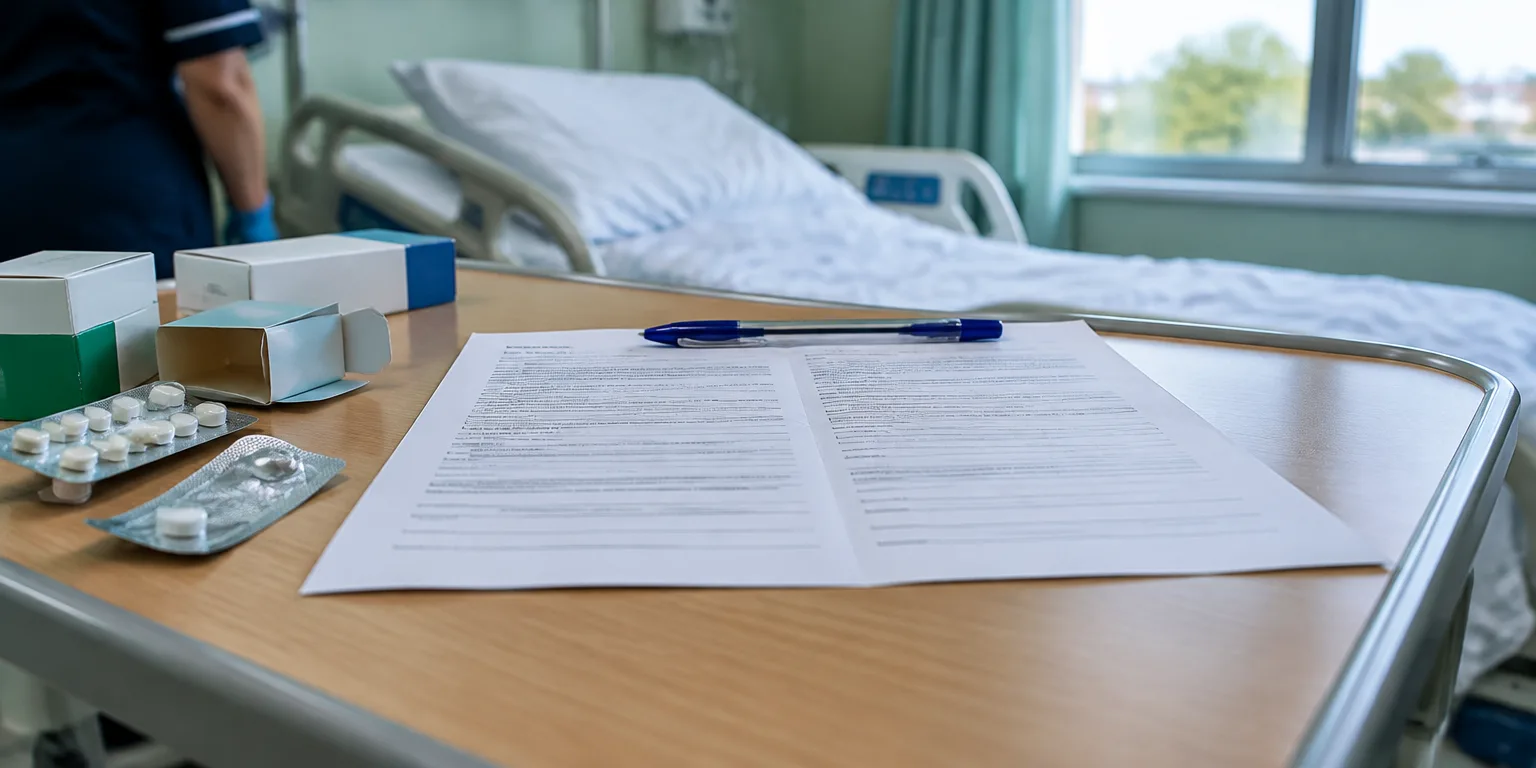
It was not a new drug. It was a form, one or two pages long. Sign it, and you would be randomly assigned to try one of several old, off patent medicines, or to get usual care as a comparison.
That simple offer was the heart of the RECOVERY trial, a study built to answer an urgent question: with no time to invent a drug from scratch, could an old one be repurposed against COVID.
The trial was led by Martin Landray and Peter Horby, researchers at Oxford, and paid for with public and charitable money from Britain's UKRI and MRC funding agencies, plus later backing from the Wellcome Trust with the Flu Lab. Instead of testing one drug at a time in separate hospitals, they ran many treatments side by side in patients who were already hospitalized.
If someone argued that hydroxychloroquine would prevent COVID, the organizers added it to the trial. If someone suggested dexamethasone, a steroid some considered too dangerous to give, they added that too. Each claim would rise or fall on the same shared comparison.
By June 2020, months before vaccines arrived, the answer was clear. Hydroxychloroquine did not work, nor did some other candidates. Dexamethasone did. After double checking the data before announcing it, the organizers released the result, and within a day the NHS changed practice for anyone hospitalized with COVID, giving them a treatment known to cut the chance of death.
The most prominent modeling suggests the finding saved about a million people worldwide within 12 months, an estimate that has not been independently vetted. The trial cost maybe $20 million, and it likely held down costs by operating inside the NHS, as patients were already hospitalized with COVID and joining took only that short form and random assignment.
Questions people ask
What does dexamethasone actually do for severe COVID?
Dexamethasone is a cheap corticosteroid that damps down inflammation. In severe COVID, much of the harm comes from an overactive immune response, especially in patients who need oxygen or ventilation, and the steroid reduces that damage and lowers the risk of death.
What is a platform trial with many arms?
It is one master trial that tests several treatments at once against a single shared control group. New drugs can be added partway through and losers can be dropped, which is faster and cheaper than starting a separate trial for every candidate.
Why was RECOVERY so cheap to run?
Britain has a national public health system, the NHS, so researchers could enroll people who were already hospitalized for COVID. There was no need to build separate trial sites, since participation required only a short consent form and random assignment during routine care.