A Small Australian Town Got More Rain in One Day Than London Gets in a Year
Decades later, the same town got just 4 millimeters in an entire year, less than the Sahara.
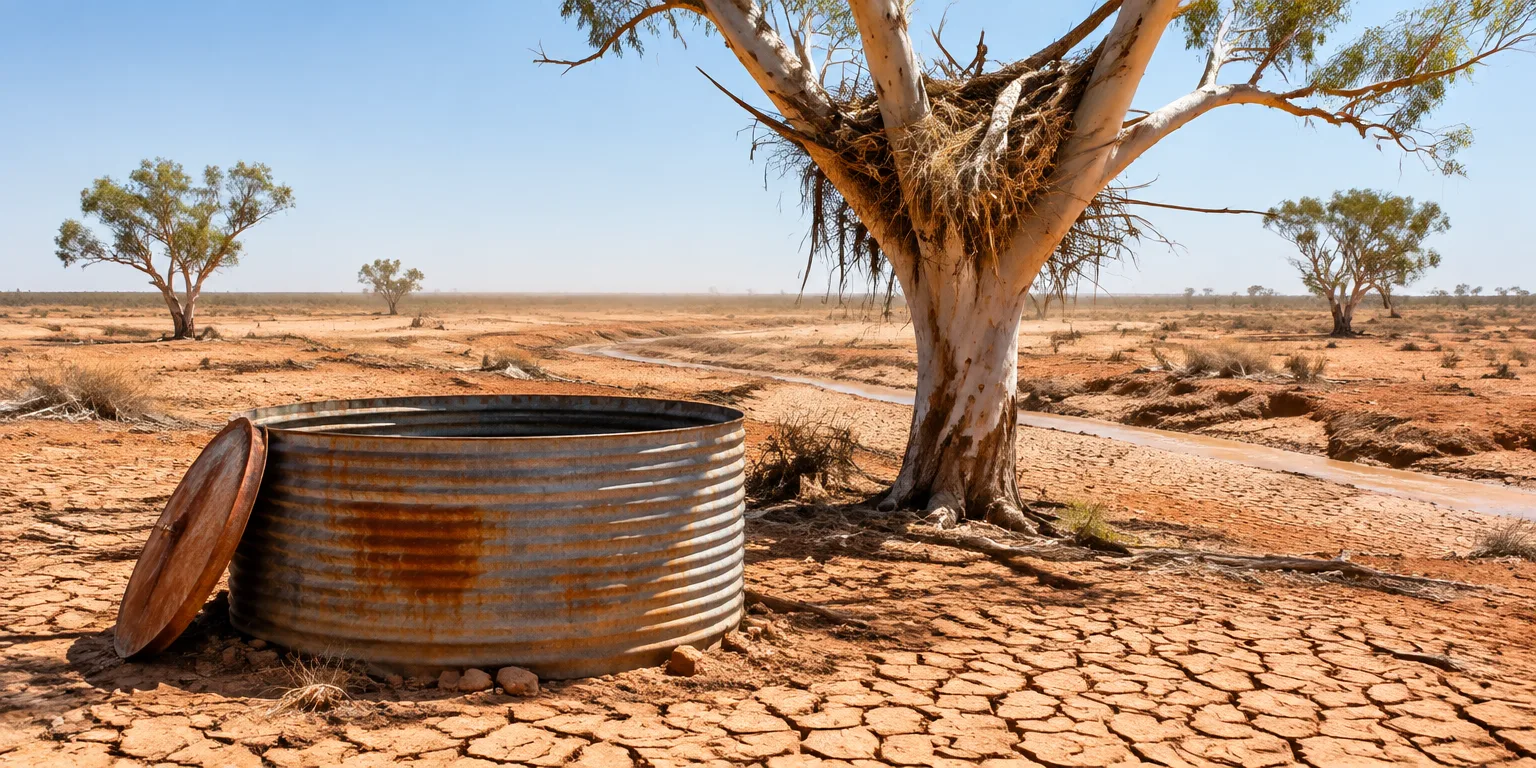
 RealLifeLore · Why 95% of Australia is Empty
In 1898, a cyclone dropped 740 millimeters of rain on a small inland town in northern Australia in a single day, more than London receives in an average year.
That one flood did not mean the town had plenty of water. Northern Australia runs on a wet season and a dry season, and most rain arrives in just four months, from December to March, when monsoons and tropical cyclones are active. Darwin, the largest city on the northern coast and far from the inland town, averages more than 1,800 millimeters a year, nearly triple London's total, but inland the timing depends on whether unpredictable cyclones push through.
A few decades later, in 1924, no cyclones reached the interior. That same town received just 4 millimeters of rain for the entire year, less than the yearly average in the Sahara Desert.
Questions people ask
How much is 740 millimeters in inches?
About 29 inches, or more than two feet of water in 24 hours. For comparison, London averages roughly 23 to 27 inches in a full year, depending on the station and period used, so the town beat a London year in a day.
Why is rain in northern Australia so all or nothing?
Northern Australia gets most of its rain from summer monsoons and tropical cyclones, and cyclones follow unpredictable tracks. If one stalls overhead, a town floods. If none move inland, as in 1924, it can stay almost completely dry. Broader Pacific patterns like El Nino can make the dry years drier.
Does this erratic rain explain why so much of Australia is empty?
Australia is the driest inhabited continent, and its most important river system, the Murray-Darling Basin in the southeast, carries far less water than rivers like the Mississippi. That combination of erratic rain and small rivers is a major reason so little of the interior is settled or farmed.