A Spiteful Tenant Smashed a 1929 Sign and Gave Carbone Its Trademark
Jeff Zalaznick paid $10,000 to save the old Rocco sign, then arrived on January 1 to find its neon smashed.
 David Senra · Lessons on Building Carbone, ZZ's & a Restaurant Empire | Jeff Zalaznick
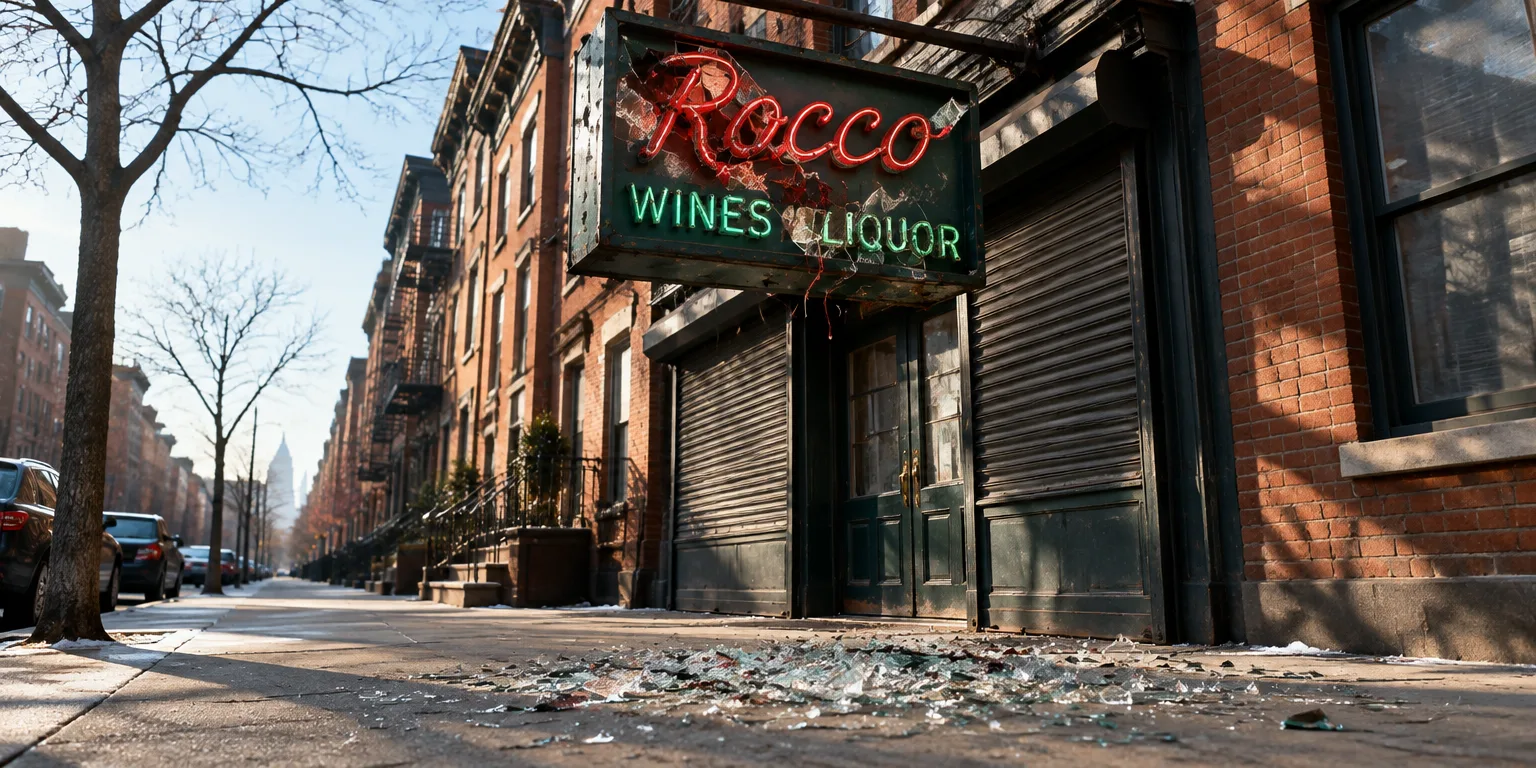
On the morning of January 1, Jeff Zalaznick, a young restaurateur hunting for a home for his Italian-American restaurant Carbone, walked down Thompson Street in Greenwich Village and stopped cold. Beneath the old storefront, the sidewalk glittered with broken glass. All the neon tubing in the antique sign he had just paid $10,000 to save had been smashed.
The night before had been New Year's Eve, the last night for the older tenant, who had run the place for decades. The space had been Rocco, an Italian-American restaurant operating since 1929, and by the time Zalaznick found it, it was worn down and poorly maintained. By Zalaznick's account, the tenant had not paid rent in about six months. Trying to stay friendly, Zalaznick had agreed to let him stay through the holiday and take over on January 1.
That act of spite on the way out, Zalaznick says, led to "what is probably the most iconic sign in fine dining restaurants in the world," a stacked red and green neon now used at Carbone restaurants around the world.
Zalaznick had been looking for a home for Carbone for more than a year and had refused to settle. He already had a small sandwich shop running nearby and was developing the food and concept while he waited for a room with the right bones and the right history. Then a man he knew tapped him on the shoulder and said he might have something around the corner.
They turned onto Thompson Street, and Zalaznick saw it, a tall old sign reading Rocco in red, with wines and liquor in green below. Before stepping inside, he told the man who had shown him the space, "We'll take it." The man said he had not even seen what was inside. Zalaznick answered that it did not matter. Inside was a mess, with the tenant smoking in the corner, but the building carried almost a century of New York and Italian-American history.
He made one demand nonnegotiable in the lease. The sign had to stay. Just before signing, the tenant asked for $10,000 to leave it. For a young company opening its first big restaurant, that was a serious conversation, but Zalaznick paid it.
Then came the shattered glass. Zalaznick admits he was furious at first, yelling, cursing, and calling the landlord. After a few minutes, Zalaznick looked again and said, "I think this guy gave me the biggest gift he could have given me."
With the original red Rocco neon destroyed, Zalaznick kept the frame, put Carbone in neon across the top, kept Rocco below, and restored the green wines and liquor. If the old neon had survived, Carbone would have simply preserved someone else's landmark. Because it was broken, the team had to build something new on top of it, and the accident became the trademark.
Questions people ask
What kind of restaurant is Carbone?
Carbone is an Italian-American restaurant known for elaborate, theatrical service of midcentury red-sauce classics like veal parmesan, lobster fra diavolo, and baked ziti. The original New York location opened on Thompson Street in Greenwich Village and became famous for hard-to-get tables, tuxedoed captains, and prices well above a neighborhood red-sauce joint.
Can you still see the sign today?
Yes. The original Carbone is still at 181 Thompson Street in Greenwich Village, and the stacked sign with Carbone on top, Rocco in the middle, and wines and liquor below still hangs outside. It is one of the most photographed restaurant signs in New York.
Why did smashing the neon matter so much?
Neon signs bend glass tubes filled with gas that glows when electrified, often backed by painted metal cabinets. A sign from 1929 would have been handmade, fragile, and difficult to repair, which is why shattering all the tubes effectively destroyed the face of the sign even though the metal structure survived.