A Startup Tried Cheap Imported Parts to Cut Building Costs. Builders Would Not Use Them.
High margins suggested big savings were possible, until designers weighed the risk of a failure and a lawsuit.
 Construction Physics · Can We Lower Construction Costs with Cheaper Labor or Materials?
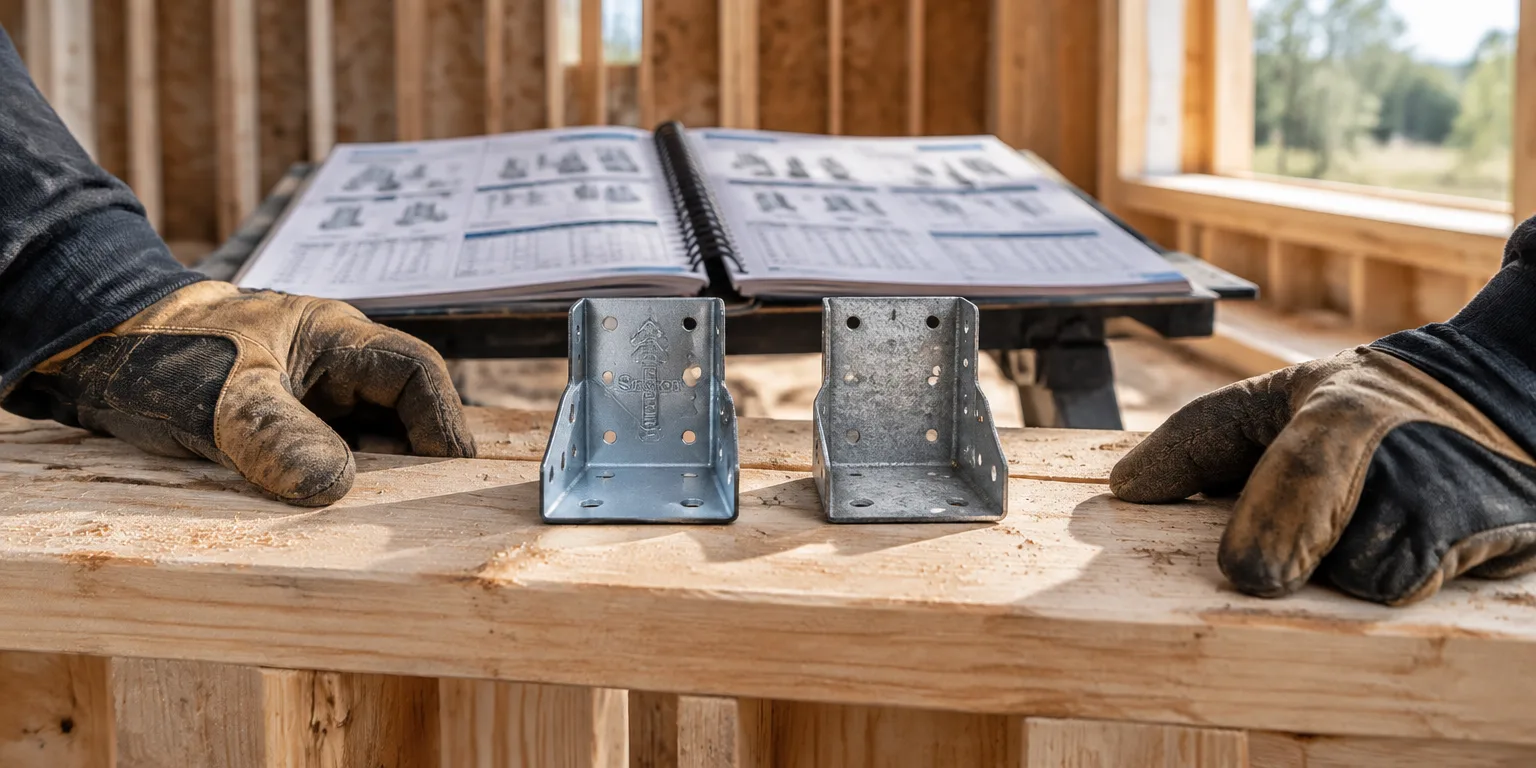
Picture a structural engineer choosing the small metal pieces that hold a wooden house together. On one side is a Simpson connector, a familiar brand with a thick catalog and test results behind it. On the other is a cheaper, no-name import. If that tiny piece breaks during a major quake or storm, the house can break with it.
That choice is one example of why cheaper rivals struggle to win in building products. Simpson, which sells steel brackets that join wood framing, posted a 46% gross margin in 2025. James Hardie Industries, which sells siding made from fiber cement, posted nearly 36%. Owens Corning, which sells insulation and roofing among other products, posted 28%. Armstrong World Industries, which sells ceilings and other architectural products, posted 40%. On paper, those margins suggest someone could come in cheaper.
Katerra, a construction startup, tried. At the start, it operated as a sourcing and delivery business. The idea was to buy inexpensive building supplies from overseas factories, including in China, and resell them to builders in the United States for less than rivals charged.
The plan did not work because architects and builders would not specify Katerra's products. The company then shifted to prefab construction, a method of building parts in a factory, making its own components and supplying itself in the hope of outcompeting other builders.
The reluctance was rational. To get designers to trust them, established products go through extensive semi-official testing, recorded in reports from groups known as ICC or IAPMO, which give designers outside verification of how a product will perform. Companies also back products with warranties and make them easy to choose, with clear catalogs, no-cost design tools, and engineering support. Simpson's connector catalog was so clear and complete that it served as assigned reading in a college course on wood design.
The upside of picking a slightly cheaper product is small, while the downside can be ruinous. When a building product does not work as advertised, as with polybutylene pipe in the 1980s and an EIFS exterior finish in the 1990s, an exterior wall coating that trapped water and rotted the wall, the designers and builders who chose them ended up facing legal claims.
So the engineer still picks the familiar connector, and the cheaper import sits in the warehouse. After builders rejected its imported products, Katerra gave up on selling materials and tried factory building instead.
Questions people ask
What is a structural connector?
A structural connector is a small steel bracket, plate, or hanger that joins wood beams, posts, and joists. It carries heavy loads and keeps a structure together in high wind and earthquakes, which is why engineers are reluctant to swap a trusted brand for an unproven one.
What are ICC and IAPMO reports?
They are independent testing and certification organizations whose reports verify that a building product meets the building code. Architects and engineers rely on them as proof that a wall, connector, pipe, or cladding will perform as claimed.
What went wrong with polybutylene piping and EIFS cladding?
Polybutylene was a plastic plumbing pipe that became brittle and leaked, and EIFS was an exterior wall coating that trapped water and caused rot. Both led to widespread failures, expensive repairs, and lawsuits that pulled in the designers and builders who had specified them.