A Teen Break-In Story Pointed to as Many as 38,000 Unmarked Graves in Chicago
What sounded like every haunted hospital tale led researchers to a former poor farm and locked hospital with as many as 38,000 possible burials.
 TED Talks Daily · The haunting truth of ghost stories | Coya Paz Brownrigg (re-release)
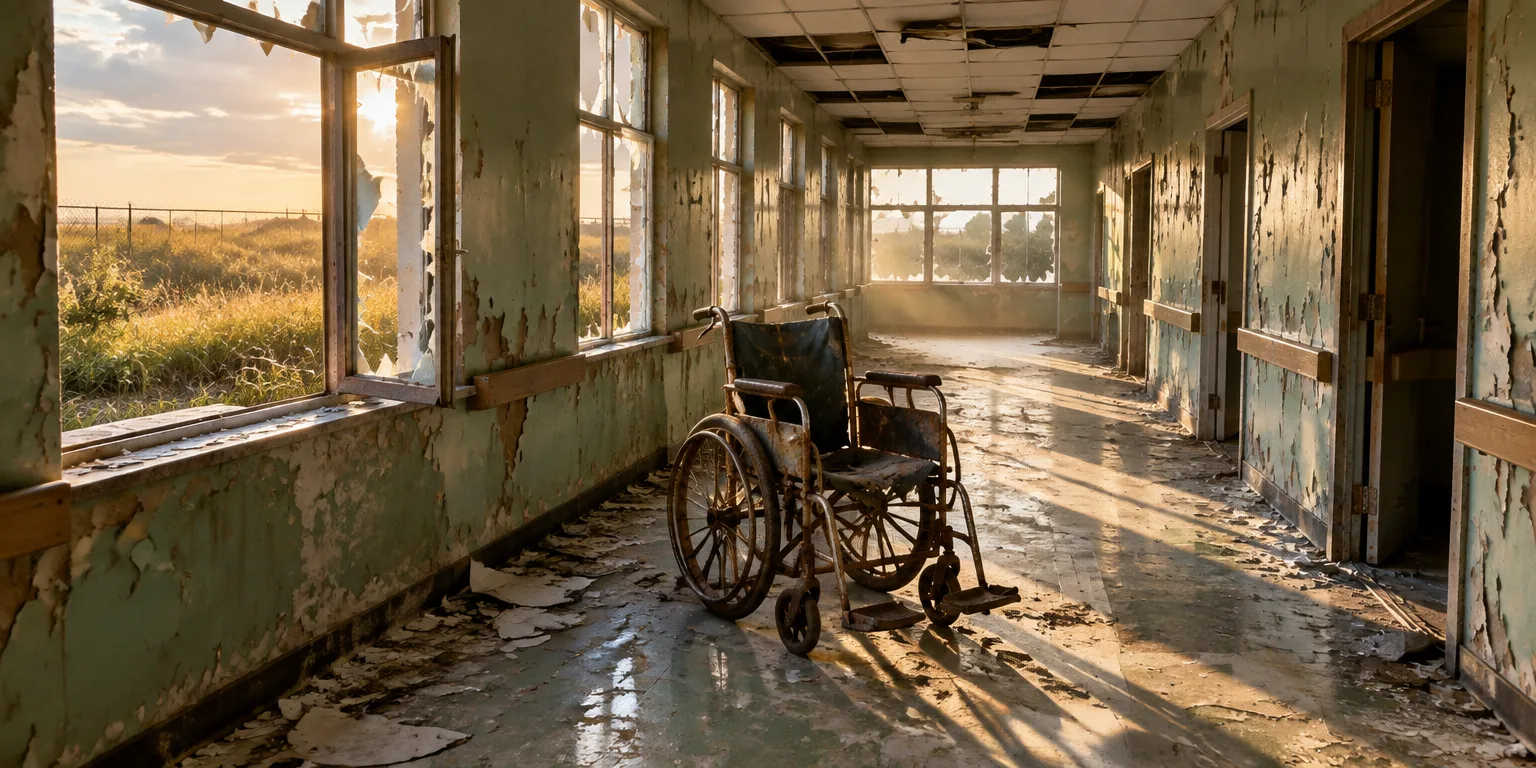
A man told a story circle about his teenage years, when he and his friends got inside a disused psychiatric hospital on Chicago's northwest side. He described "a wheelchair mysteriously following them, doors slamming shut, creepy laughter."
Coya Paz Brownrigg, a writer and director, was gathering everyday ghost accounts for a community performance project called 100 Hauntings. She said her team had not heard of this hospital, and the account struck them as familiar, the same kind of break-in story they had heard many times before.
They looked into it anyway, and the familiar tale opened onto a forgotten history. City documents confirmed that a county home for poor people once stood in that part of the city, and that it grew over time into a very large secure hospital for people with mental illness.
Brownrigg said those kept there were largely poor residents and immigrants, many confined for years without consent. She said those who died there were usually laid to rest at the rear of the property without a headstone.
Brownrigg places the ghost accounts she hears into three groups, all wanting to be acknowledged. She said this break-in account fits the first group, which she calls "the furious returned." She describes them as "victims of a great injustice," most often murders, ghosts who met a terrible end and want the living to remember it.
City documents confirm the poor farm and later hospital on that northwest side. Reporting in the Chicago Tribune counts as many as 38,000 unmarked graves in the back.
Questions people ask
What was a poor farm and almshouse?
It was a county run home that gave shelter to poor, elderly, and sick people, sometimes in exchange for work. In Chicago, the facility on the northwest side began that way in the mid 1800s before expanding into county institutions for mental illness.
Is the burial ground still there?
Parts of the old county grounds now hold hospitals and other public buildings, with a small memorial park nearby. Most of the burial area was built over through the years without moving the remains.
Where does the 38,000 figure come from?
It comes from Chicago Tribune reporting cited by Brownrigg. In her talk, she presents it in hedged form, as many as 38,000 unmarked graves, and she does not explain how the Tribune reached that estimate.