A tiny dose in the brain stopped inflammation in the body
The surprise led from a lab molecule called 1493 to the idea of stimulating a nerve instead of drugging the brain.
 Science Friday · Is there science behind the ‘nervous system reset’?
In the 1990s, Kevin Tracey, a doctor training to be a neurosurgeon, was hunting for a better way to calm dangerous inflammation. He and his colleagues knew that white blood cells, the infection fighting cells of the immune system, make small proteins called cytokines that drive inflammation forward.
Those cytokines in large amounts can create a runaway reaction that became widely known during COVID as cytokine storm. Drugmakers had learned to block cytokines with powerful medicines, often advertised on television and called biologics, but Tracey said those drugs can suppress the whole immune system and leave patients vulnerable.
So his laboratory made experimental molecules designed to block inflammation without causing that suppression. One early candidate was called 1493, and it worked well. Then came a result that did not make sense.
A minute dose of 1493 put into animals' brains calmed inflammation elsewhere. Tracey said it surprised him.
After months and then years of work, his team found the missing connection. The compound inside the brain was activating signals that traveled down the vagus nerve, the long bundle of fibers that carries instructions between the brain and the body, toward immune organs where they halted the flood of cytokines.
The finding pointed his team toward the vagus nerve as the link between the brain and the immune system. As Tracey put it, "the vagus nerve was like the brakes on your car." Turning it on slows inflammation.
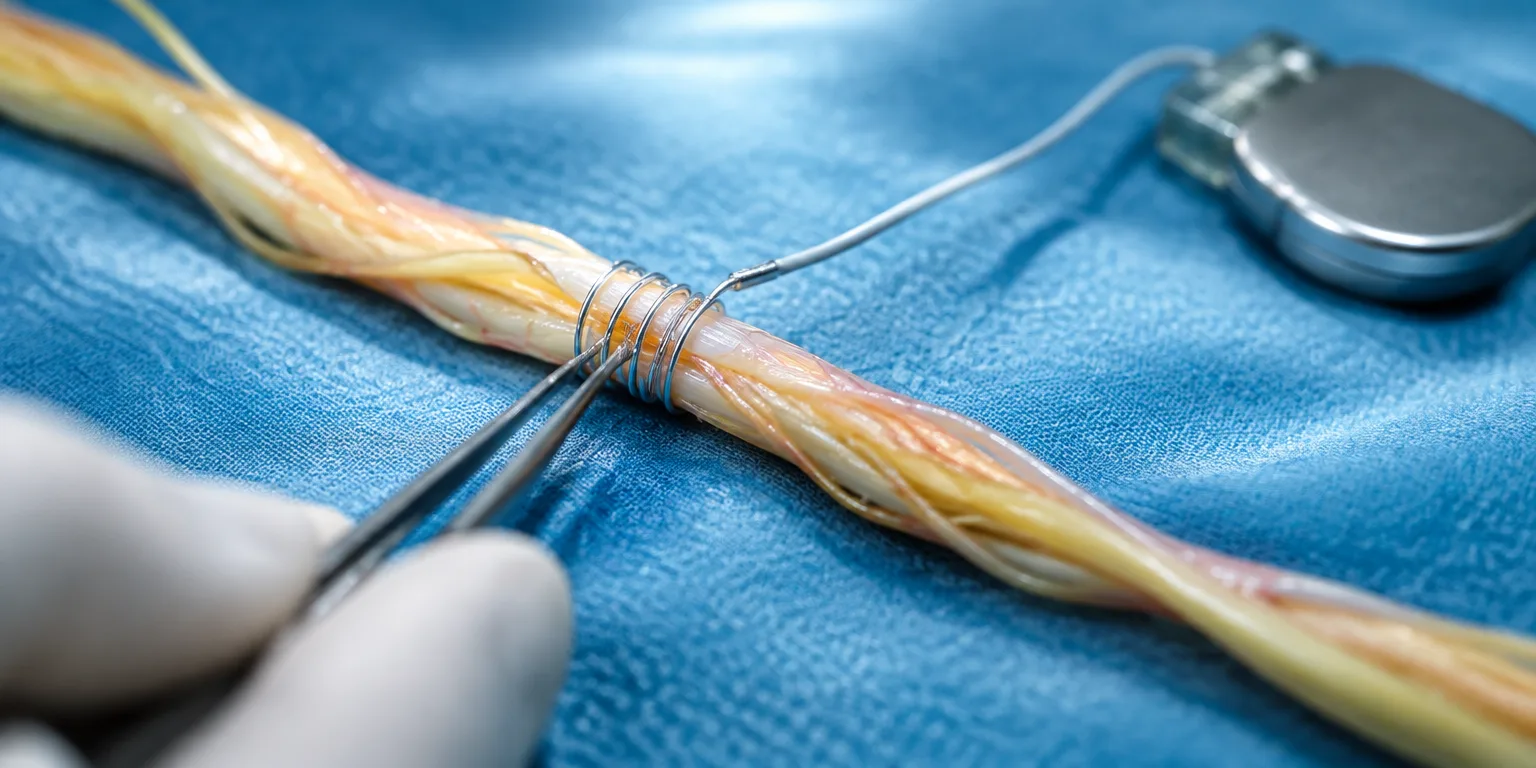
If that was true, he reasoned, doctors would not need to put a drug into a person's brain. They could attach a stimulating electrode to the vagus nerve instead, a procedure already known to be safe in people because vagus nerve stimulation had been approved by federal regulators in the 1990s for epilepsy. By aiming at the fibers that quiet inflammation, researchers eventually developed stimulators now approved for rheumatoid arthritis, an inflammatory joint disease, even for patients who do not respond to biologics and other current drugs.
Questions people ask
What exactly is the vagus nerve?
The vagus nerve is actually a pair of long nerves that run from the base of the brain down through the neck and chest and into the abdomen. They carry sensory information up to the brain and commands back down to organs including the heart, lungs, and gut.
What are cytokines, and what is a cytokine storm?
Cytokines are chemical messengers released by immune cells to rally defenses and produce inflammation. A cytokine storm is when too many are released at once, causing widespread inflammation that can damage lungs, blood vessels, and other organs.
How does a vagus nerve implant for arthritis work in practice?
It is a small implanted device that delivers brief electrical pulses to the vagus nerve in the neck. In rheumatoid arthritis, one approved system is turned on for about a minute a day to trigger the body's natural inflammation braking circuit.