A Train Cleaner Than Your Bedroom Is Not a Luxury in Japan
Public spaces are kept as clean as private ones, and Americans notice.
 Search Engine · Why’s everybody going to Japan?
When journalist PJ Vogt was talking with Roland Kelts, a Japanese-American professor at Waseda University in Tokyo, about why tourists are drawn to Japan, Kelts offered what he considers the most important reason. He said, “A lot of different factors, I think, have contributed to the tourism attraction, but the most important one is functionality.”
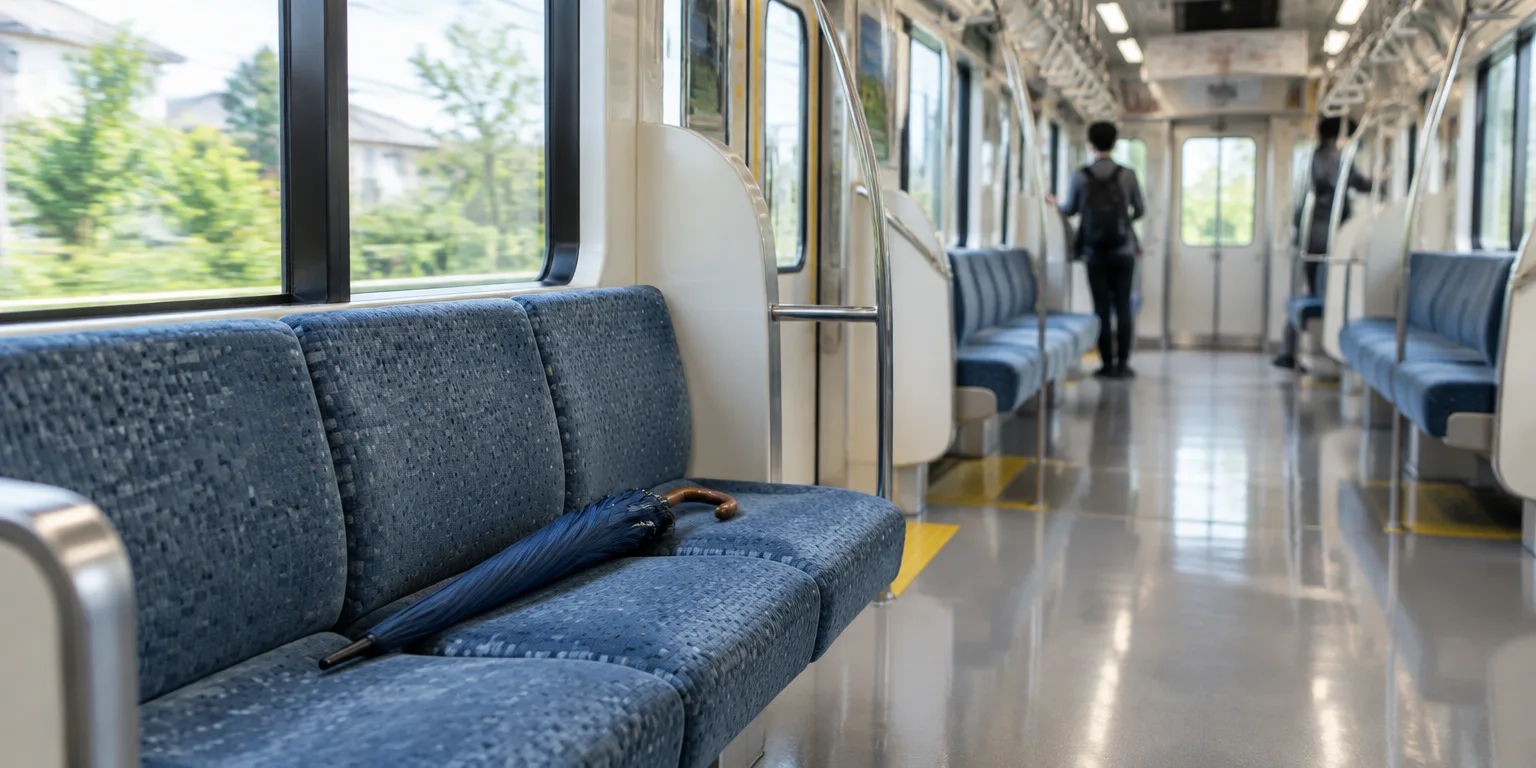
What Kelts meant was the daily experience of public life working well. Lisa, a listener, put it in terms of toilets, marveling at how clean they are. Kelts said that for drivers the infrastructure and roads are excellent, though visitors do not really need a car, with no potholes to worry about. An unidentified speaker added that public transit can get riders where they need to go and that everything runs on time. Describing his first visit, Vogt said the level of function felt shocking, including, as he put it, “to be on a public train that is more clean than my bedroom.”
Kelts said “a lot of countries around the world, particularly the US, have become dysfunctional” in terms of public space, with parks that are dirty and dangerous, a railway system he called atrocious, and airports that are a mess. Vogt said he could imagine that bothering some listeners, because to American ears complaining about a dirty subway or disorder can sound very elitist.
In Japan, Vogt argued, the same wish reads the opposite way. He asked why public things should not be nice, and why anyone should want to opt out into a private option such as an Uber. Vogt said, “You just don't see trash on the street, not even cigarette butts,” and, “You don't smell urine or feces, animal or human.” As he put it, “Public spaces in Japan are kept about as clean as private ones.” He added, “I don't think it's why anyone visits the first time, but I bet it's why some people go back.” He closed the thought this way: “In America, one way you can show you care about society is to ride the dirty subway. In Japan, one way you can show you care about society is to be really invested in the subway being clean.”
Questions people ask
Are Japanese trains really always on time?
They are famously punctual, with average annual delays on the Shinkansen bullet trains often measured in seconds. When delays do happen, railway companies issue formal delay certificates for commuters to show employers, and staff apologize profusely.
Why is there so little litter if there are so few public trash cans?
People are expected to carry their trash home, a habit taught in schools and reinforced after the 1995 Tokyo subway attack led to the removal of many bins. The rule is so internalized that visitors are often surprised to find spotless streets with nowhere to throw anything away.
What makes Japanese public toilets so clean?
Many have heated seats, bidet washlets, and sound-masking features, and they are cleaned frequently by attendants. Department stores, train stations, and convenience stores all maintain them to a high standard because customers expect it everywhere, not just in luxury hotels.