A Web Address Finds a Slice of a Shared Computer
Your computer translates the name into a number, opens a connection, scrambles the messages, and asks for the page.
 Fireship · 100+ Computer Science Concepts Explained
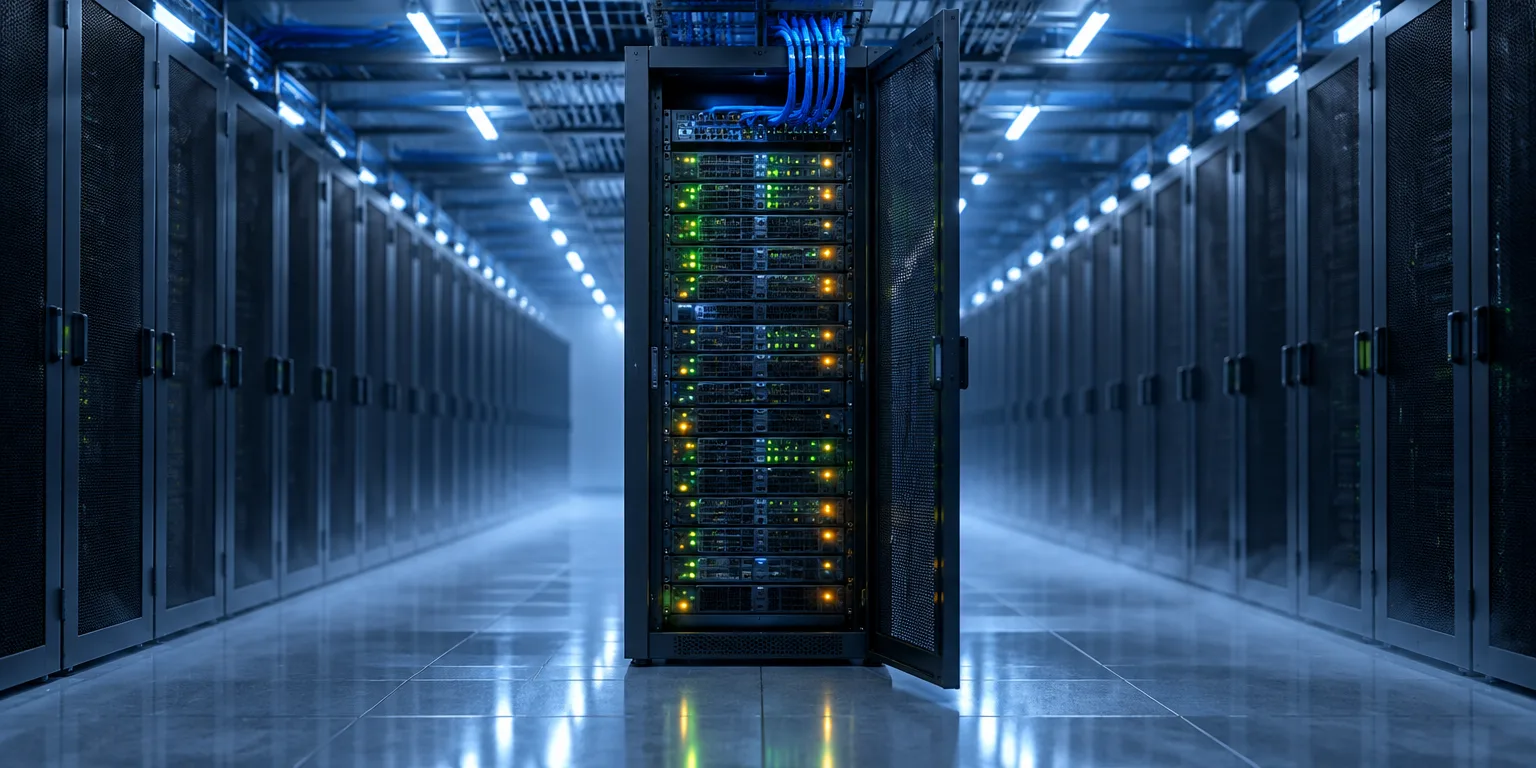
The page that appears when you type a website name does not come from a single box with that name on it. It comes from a slice of a very large computer, found by looking up a number.
In modern computing, work rarely happens directly on bare hardware. Instead, operators use a virtual machine, which is software that simulates hardware, to divide one powerful computer into several smaller simulated ones. Those systems support the wider web.
Each machine is connected under the internet protocol and has a unique IP address that identifies it on the network, much like a street address. That address is usually hidden behind a URL, the familiar web address, which is listed in a worldwide directory known as the domain name service. Entering the URL prompts a lookup that returns the matching address.
Then the two computers open a connection with a TCP handshake, a short introductory exchange that lets them swap data bursts known as packets.
Above that connection, there is often a protective setup, for example SSL, for scrambling messages when they leave one machine and unscrambling them when they reach the other.
Then the two machines can exchange information using the hypertext transfer protocol. Your computer, acting as the client, may request a web page, and the server responds with the code for the page. Modern servers also offer a common method letting a client ask for data, known as an API, short for application programming interface.
Then the page appears on your screen.
Questions people ask
What does an IP address actually look like?
An older address is four numbers separated by dots, like 142.250.80.14, with about four billion possible combinations. A newer format uses longer groups of letters and numbers separated by colons, which allows for a vastly larger number of addresses.
What is a packet?
A packet is a small chunk of a larger message, with labeling that says where it came from, where it is going, and where it fits in the sequence. The receiving computer collects the packets and reassembles them into the photo, video, or web page. Splitting messages this way lets networks route around congestion and resend only the pieces that get lost.
Is this encryption the little lock icon in my browser?
Yes. The padlock means your browser has negotiated an encrypted connection, now generally using a successor to SSL called Transport Layer Security. It also means your browser has checked that the site presents a valid digital certificate confirming it controls that web address.