A Wild Tobacco Plant Welcomes Moths or Butterflies, Then Repels Their Caterpillars
Once pollinated, the plant stops welcoming the insects that helped it, because their offspring would devour its leaves.
 The joe gardener Show - Organic Gardening - Vegetable Gardening - Expert Garden Advice From Joe Lamp'l · 490-How Leaves Conjure Up Our World
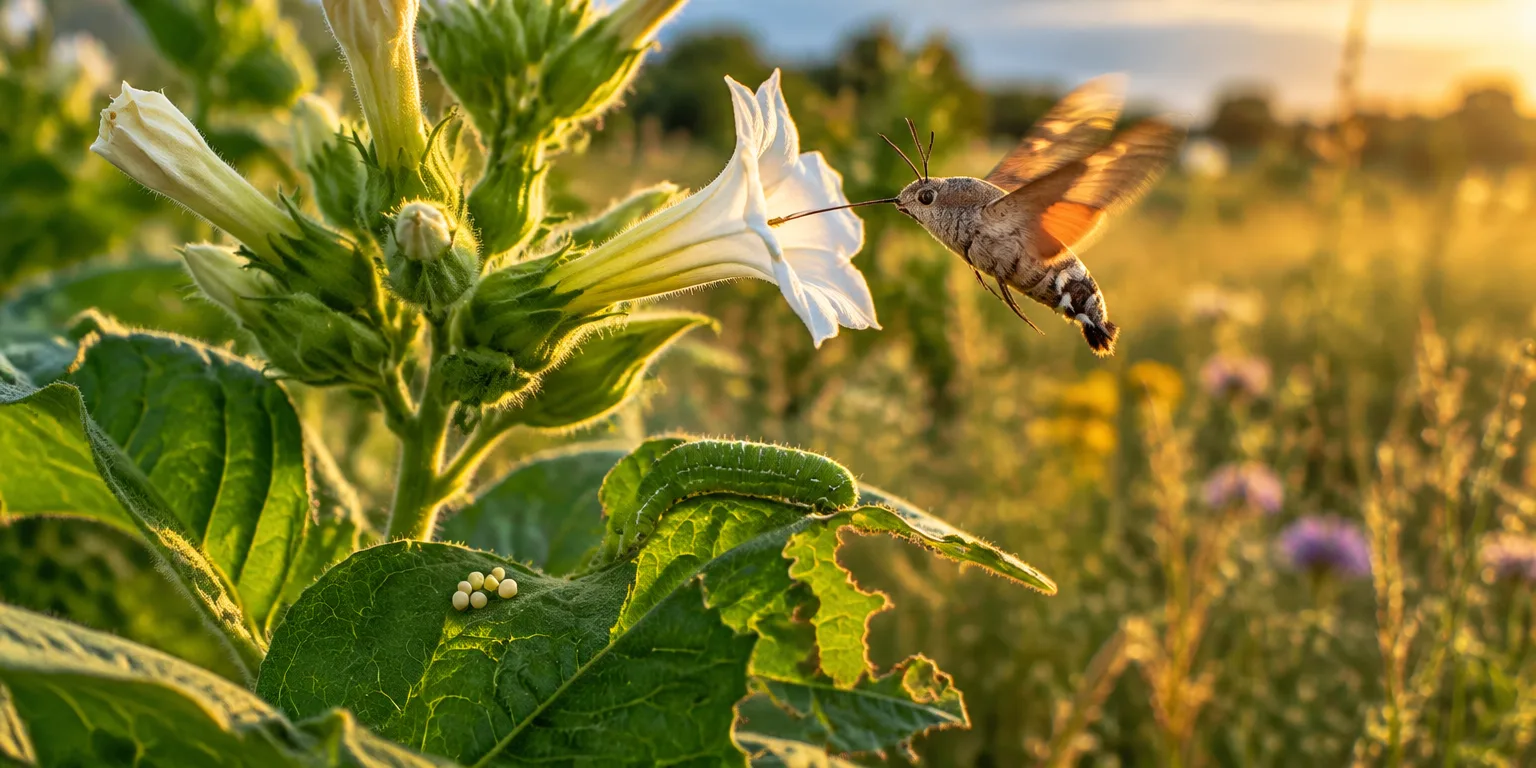
A wild tobacco plant described from memory by evolutionary biologist Jonathan Silvertown first draws in moths or butterflies to pollinate its flowers, then switches on repellents after pollination so their caterpillars do not eat its leaves.
Early on, the plant makes attractants that bring the winged adults to its flowers for pollination. The same visitors leave eggs behind on its foliage, and the caterpillars that hatch feed on the leaves.
After pollination, the plant changes its chemistry to repel those insects. The same animal is useful as a pollinating adult and harmful as a leaf-eating caterpillar, so the timing of the switch is what protects the plant.
Questions people ask
How can one plant make both an attractant and a repellent?
Plants make a huge range of scents and tastes, with estimates running from hundreds of thousands to a million compounds across plants as a whole. Many are made in leaves and flowers, and production can rise or fall over time. That shift lets one plant send one chemical signal during flowering and another afterward.
Why doesn't the plant just repel the insects all the time?
The usual explanation is about order. Flowers must be pollinated before seeds can form, so early visits are valuable even if eggs are left behind. Once pollination is finished, preventing leaf damage matters more for raising those seeds.