A young cook ruined 125 pork tenderloins, then learned to see when meat is done
After ruining dinner service, chef Dan Kluger got one week to learn the pork, prepping chili-rubbed tenderloins until his hands turned red.
 Freakonomics Radio Network · Why Great Cooking Can't Be Measured | Better in Person
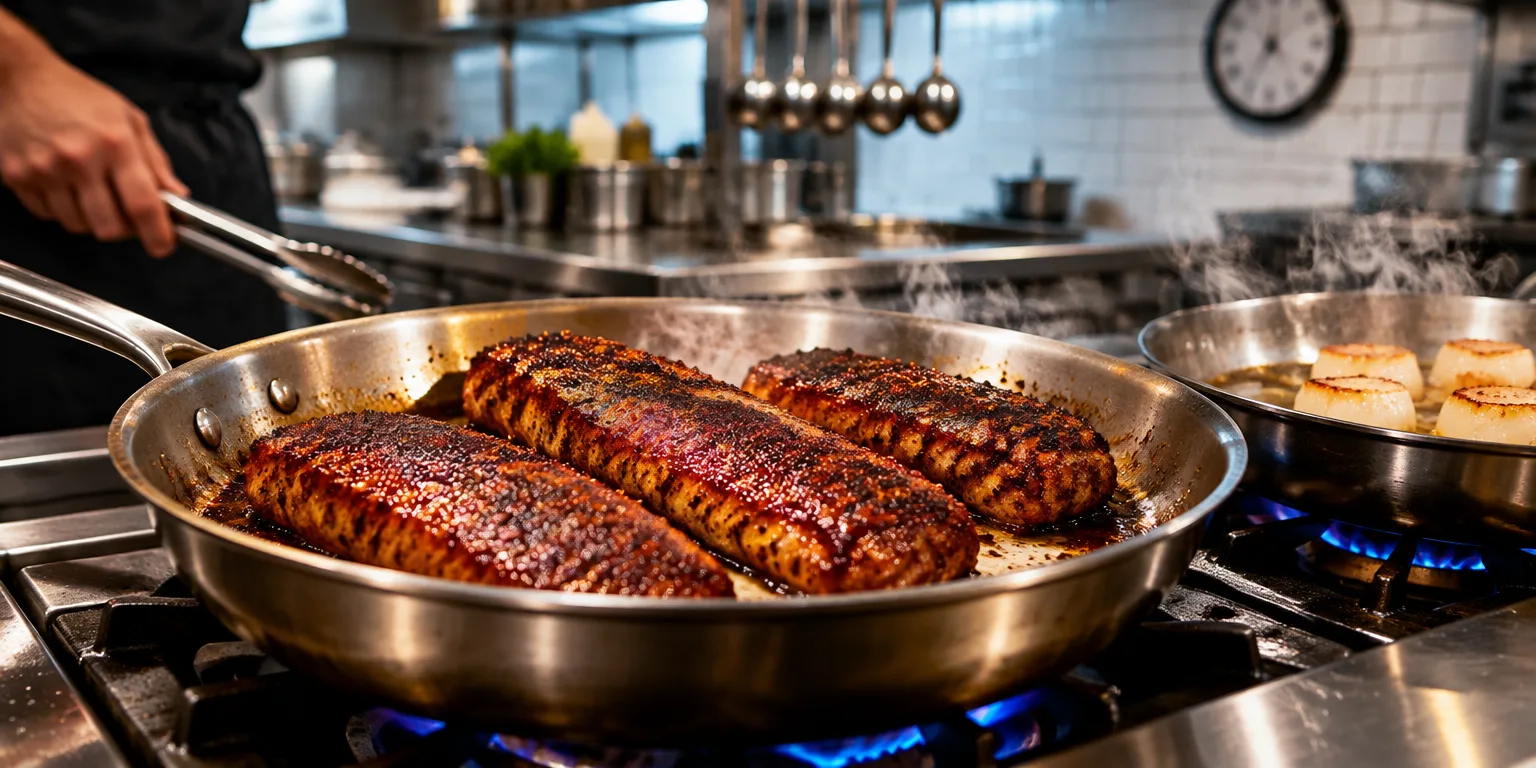
On a packed holiday weekend Sunday at Mesa Grill, the big and busy New York restaurant, Dan Kluger, then a young cook, was working saute for the first time. Saute is the hot station where meat and fish are seared in pans over fire, and he had two burners going at once.
He was cooking pork tenderloins five at a time, plus a scallop dish that required what cooks call a two pan pickup, meaning two pans firing together. It was one of the busiest nights, and for hours he got crushed. He just kept overcooking the pork, tenderloin after tenderloin.
That wreck of a night, 125 tenderloins ruined, turned into the lesson that taught Kluger, now a chef, what cooking actually is. It was not a matter of relying only on a timer or a rule, even though he checked the clock. It was watching the meat so closely that he could see when it was ready.
After the shift, he called his father from Union Square and held himself together on the phone. Then he went back inside and cried in the walk-in, the big cold refrigerator where restaurants store food, which Kluger called "always a good place to cry."
The next day, he went to his chef and apologized. When the handwritten schedule went up on the wall, Kluger saw he was on saute again the next Saturday night. He asked if his chef was sure, and the chef told him, "You have seven days to be one with the pork."
So Kluger stared at pork for a week. The tenderloins were rubbed with ancho chili, a mild dried pepper, and his hands turned red from handling them. He trimmed the ends into what cooks call a nub bucket, scraps later used for staff tacos and family meal. He seared the meat, put it in the oven, pulled it out, and checked the little clock in the kitchen.
He kept pulling the pork out and checking the timer at four minutes and five minutes. Then he saw it. At one point, he said, the tenderloins glistened. He said that glisten meant they were ready, cooked to a pink and juicy mid-rare.
Questions people ask
What is a pork tenderloin, and why is it easy to overcook?
Pork tenderloin is a long, narrow muscle from along the backbone of the pig, prized because it is lean and tender. Because it is so lean and so thin, it cooks fast and can dry out quickly, which makes cooking many orders at once hard.
What does mid-rare pork mean, and is it safe to eat?
Mid-rare means the center is warm, pink, and juicy rather than gray and fully cooked through. For pork, food safety guides now say whole cuts are safe when they reach 145 degrees with a short rest, which can leave a blush of pink inside.
Why would a cook cry in the walk-in refrigerator?
A walk-in is a room-sized refrigerator that holds large trays and supplies at near freezing temperatures. It is cold and private, giving a cook a brief moment alone during a busy shift.