Affirm's founder ruined his own credit, so he built a lender with no late fees
After damaging his own credit before PayPal made him wealthy, Max Levchin set an honest-loan mission without penalties that industry veterans thought drove much lending profit.
 Business Breakdowns · Affirm: The Internet’s American Express - [Business Breakdowns, EP.249]
Fraser Christie, an investor who studies payments companies, describes Affirm's founding promise as a break with lending as usual. The mission, in his words, is "to deliver honest financial products that improve lives." In practice, that means "no late fees, no compounding balances, no deferred interest, no fine print."
Max Levchin, the former PayPal chief technology officer who started Affirm a decade after leaving PayPal, grew up in the Soviet Union with little understanding of how borrowing worked in America. At university, he funded early startups on credit cards and paid late, badly damaging his credit rating.
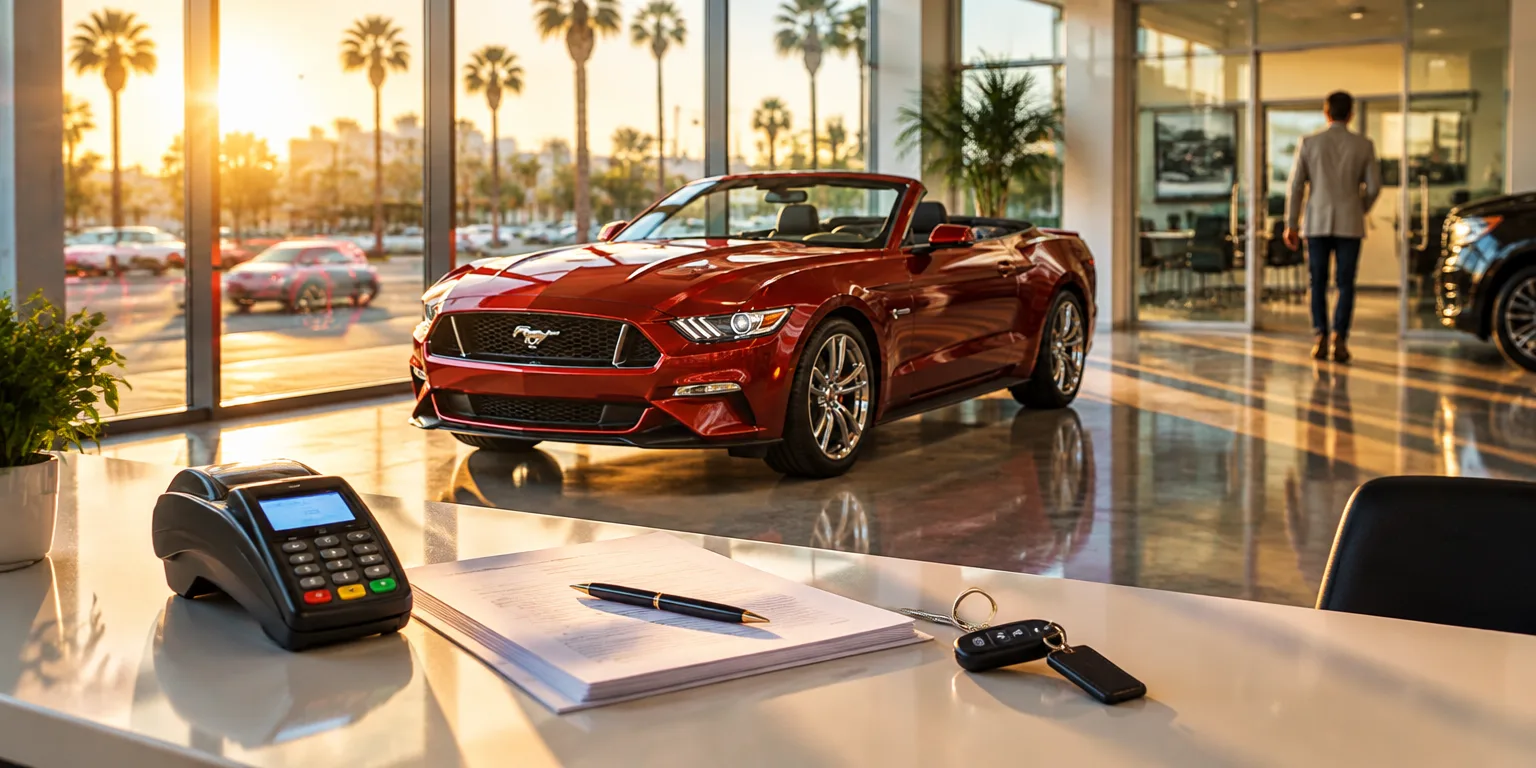
Wealth from the PayPal public offering did not erase the record. On a trip to Los Angeles to buy a convertible for the woman who is now his wife, the dealership rejected his auto loan over his poor credit. He had to sit there until a bank transfer arrived so he could leave with the car. Friends later teased him by getting restaurant staff to act as if his payment had been rejected.
The rule at the center of the company is lending without those extra charges. When Levchin pitched that approach, people in the industry regarded the plan as crazy, Christie says, because they thought much profitability in lending came from such charges. Affirm instead makes money mainly from fees paid by merchants and from interest on longer term loans, with about 70 percent of its volume in interest bearing loans.
Christie predicts Levchin, still "known as Max, the founder of PayPal," will in five or ten years "well and truly be known as Max, the founder of Affirm," because this business will ultimately be more influential than his act one.
Questions people ask
If Affirm charges no late fees, how does it make money?
Affirm mainly earns merchant fees for sending shoppers to stores, plus interest on longer-term loans. About 70% of its volume is interest-bearing loans, which carry fixed rates and fixed repayment schedules. Late payment does not trigger an extra fee, though it can affect future loan eligibility.
Does paying with Affirm affect your credit score?
It can. Affirm typically reports some longer-term loans to credit bureaus, so on-time payments may help and missed payments may hurt, depending on the loan type and bureau rules. Short-term pay-in-four loans have historically had more varied reporting. Checking eligibility usually starts with a soft inquiry that does not affect the score.