After 25, Your Brain Does Not Change Just Because You Lived Something
Alertness wakes the brain up, and two bursts of focus tell it what to keep.
 Andrew Huberman · How to Focus to Change Your Brain
After about age 25, living through something does not change your brain. From birth to about 25, connections are refined mainly by removing connections that do not serve us and strongly strengthening connections tied to powerful experiences or useful abilities like walking and talking and doing math. After that, change requires a specific internal state: alert and closely attentive to that exact experience.
That rule came from vision. Vision scientists David Hubel and Torsten Wiesel, working first at Johns Hopkins and then at Harvard Medical School, found that closing one eyelid early in life let the open eye take over the visual brain. But closing both eyes for a short period caused no rewiring at all. Deprivation alone did nothing. Competition between inputs for brain space was what mattered.
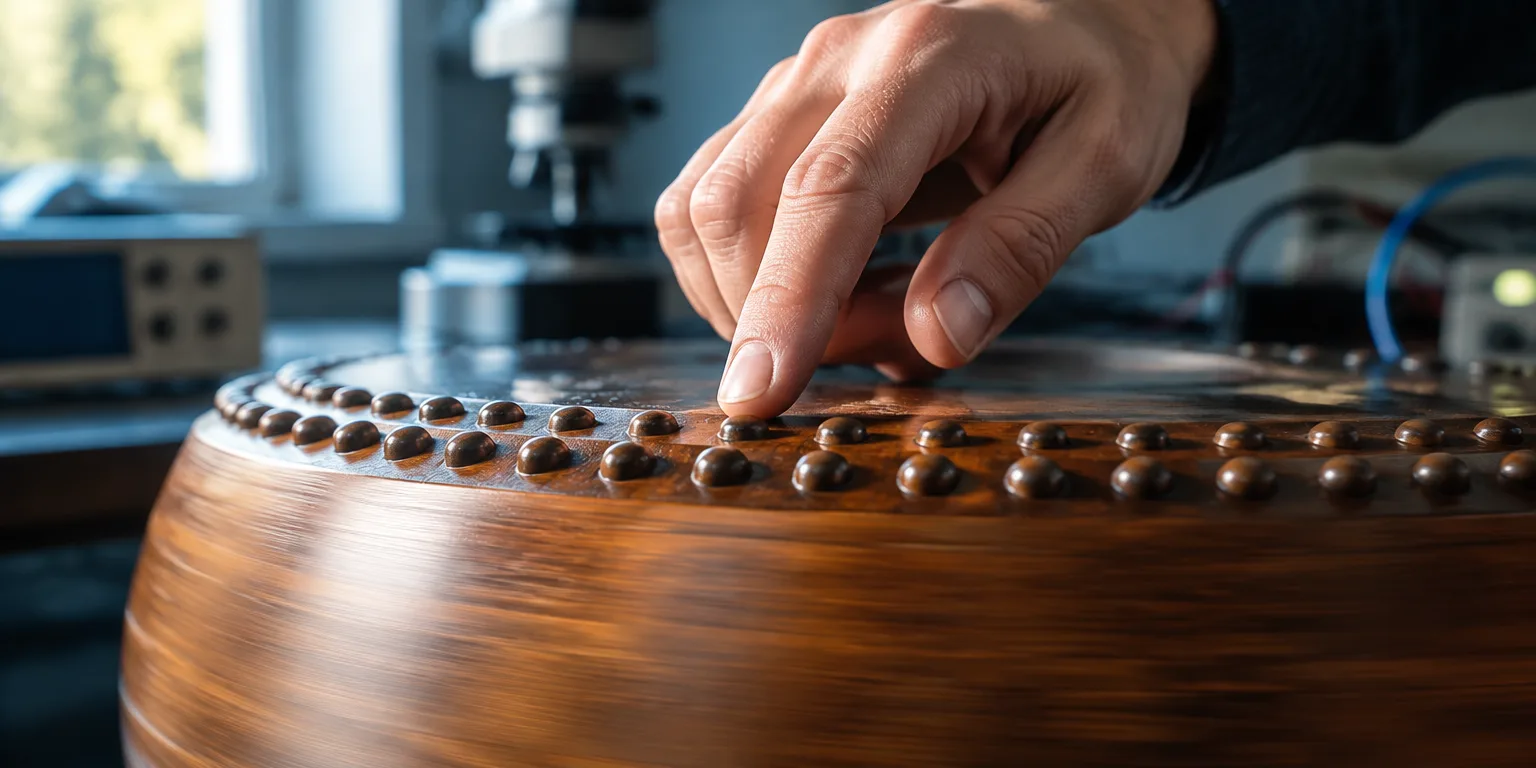
The adult version came from touch. Neuroscientist Mike Merzenich at the University of California, San Francisco, and his graduate student Gregg Recanzone, later at the University of California, Davis, had adults feel bumps on a spinning drum and signal when the spacing changed. The finger map in the brain rapidly remodeled, but only for what subjects attended to. In a control, people touched the same bumps while listening for a change in tone. Then the auditory brain changed and the touch brain did not. Touching was not enough. Attending was the switch, and the change was specific to the attended sense.
Chemistry explains why. First comes alertness. A cluster in the brainstem called the locus coeruleus sprays the whole brain with epinephrine, which is the brain name for adrenaline, and makes neurons more likely to fire. No alertness, no rewiring. But alertness alone is not sufficient, which is why you cannot learn by playing tapes while asleep.
Second comes focus. Acetylcholine from the brainstem acts like a spotlight in the thalamus, the brain area that filters incoming senses. It turns up the signal for one thing and turns down the noise for everything else, the way honing in on snoring in a noisy room makes that sound stand out.
Third comes another dose of acetylcholine, this time from the forebrain, from a cluster called the nucleus basalis of Meynert. The researchers stimulated these three sources in animals with an electrode or other methods, and whatever the animal was experiencing at that moment immediately took over representation of that brain area in one trial. The adult brain can still change, but only for what you pay attention to.
Questions people ask
Why can't I just learn in my sleep?
Because the gate requires alertness. In sleep, the brainstem does not spray the brain with epinephrine, so neurons are not primed to change. That is why simply listening to music or tapes while asleep does not teach the material.
What is the difference between alertness and focus here?
In general terms, alertness is a broad wake-up call that makes neurons across the brain more likely to fire. Focus is a narrow spotlight that raises the signal of one sight, sound, or touch above the surrounding noise.
Do sleep and coffee actually help me rewire my brain?
The experiments themselves show only that alertness is necessary but not sufficient for change. As general background outside those experiments, being well rested or stimulated affects alertness, but alertness alone does not choose what changes, so you still need sustained attention to one thing.