After 9/11, the CIA Moved Prisoners Through 54 Countries to Secret Prisons
Prisoners were flown on private jets with false flight records, and Poland was paid $15 million in cash delivered in cardboard boxes.
 Johnny Harris · The American war machine, explained
In March 2002, American agents closed in on a house in Pakistan and came out with a wounded Palestinian man. He had been shot in the raid and was close to death, so the agency brought a physician from a leading American hospital to treat him. They needed him alive, not out of mercy, but to question him.
The man was Abu Zubaida, whom the CIA believed was a top leader of al-Qaeda, the terrorist group behind the Sept. 11 attacks. Instead of bringing him to the United States, agents flew him to an old American military base in Thailand that the agency called Detention Site Green, one of what it called black sites, secret prisons kept outside normal oversight. There, over nine months, interrogators used what they called novel methods, meaning torture.
That choice traced back to six days after Sept. 11, when President George W. Bush signed a memo giving the CIA broad power to secretly capture and detain suspects. Holding men in America would have meant treating them as prisoners of war, with lawyers, trials, and no torture. The country was enraged and thirsting for revenge, and the CIA saw those rules as something that would only slow its hunt for intelligence to stop future attacks.
Lawyers in Washington helped by drafting secret memos that called al-Qaeda members unlawful enemy combatants, to whom the usual rules did not apply. Officers in Thailand even cabled Washington for assurance that Zubaida would remain isolated and unable to communicate for the rest of his life, and Washington gave it.
The secrecy did not hold. Thai officials grew uncomfortable, reporters began asking questions, and Vice President Dick Cheney tried to persuade a U.S. publication to hold back what it had learned. The agency decided to move.
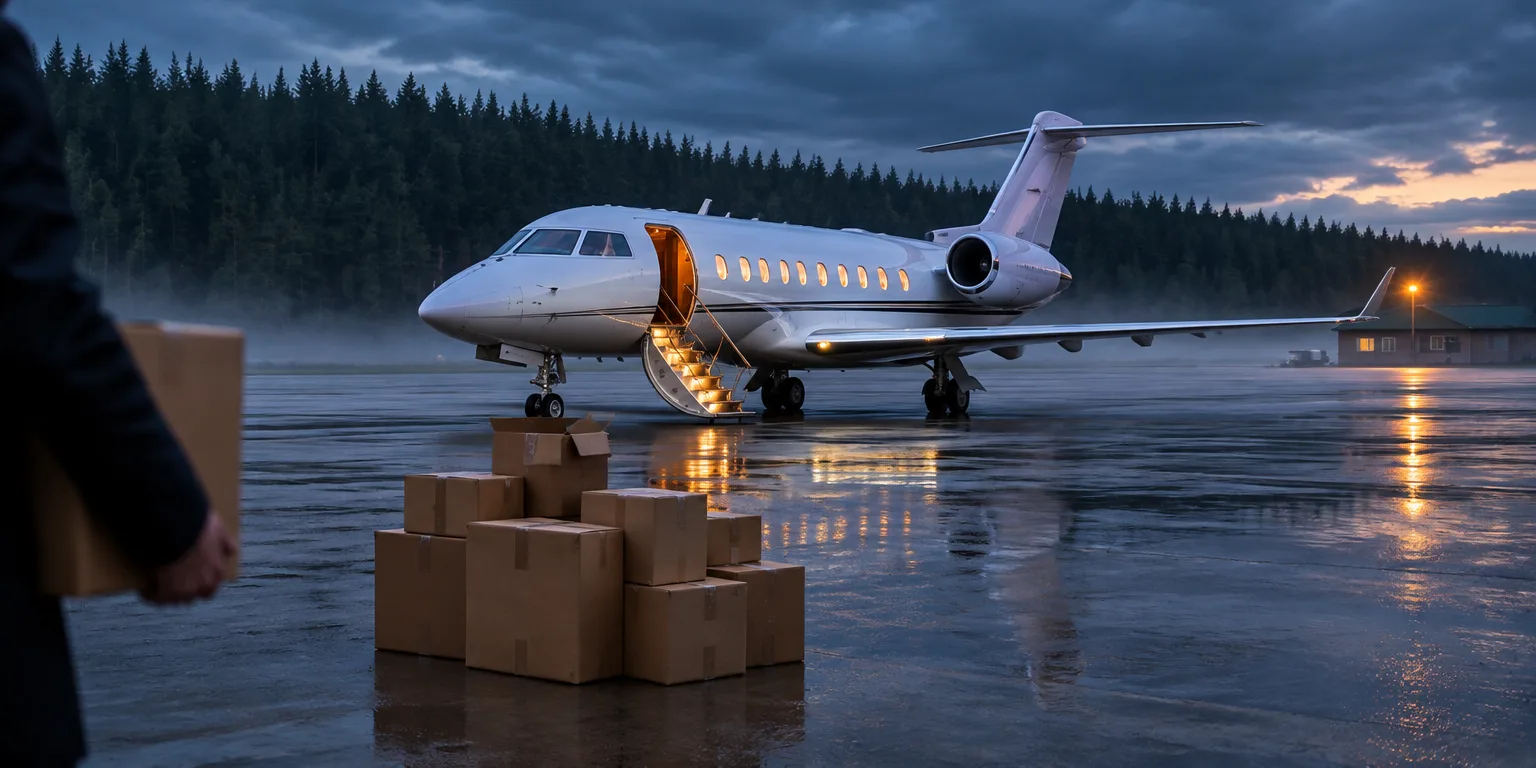
A booking receipt for a private Gulfstream 4 jet shows how. The plane flew from Washington to Thailand, picked up Zubaida and other prisoners, and stopped in the United Arab Emirates. Official records then claimed it flew to Austria and London. It did not. It landed at a small airport in rural Poland, from which prisoners were driven 20 minutes to a secluded military lockup hidden in the forest.
Poland's intelligence service had been paid $15 million in cash, delivered in cardboard boxes, for the use of the site, called Detention Site Blue. As scrutiny grew, prisoners were shifted again through a network that involved 54 countries, along scrambled flight paths with falsified records. By 2004, about 100 men were being moved around in secrecy. In the end, the CIA ran at least nine known sites, including a former elite horse riding club in Lithuania bought through a shell company and four prisons in Afghanistan, one nicknamed Dark Prison, where men were kept in metal shipping containers in total darkness.
Questions people ask
Was the secret prison program legal?
No, under both American and international law. Capturing people in one country, moving them to a third country with no trial, and torturing them violates prohibitions on torture and enforced disappearance. That is why CIA lawyers wrote secret memos arguing detainees were unlawful enemy combatants to whom the usual rules did not apply.
Did the torture produce useful intelligence?
A Senate investigation later concluded it was not. The 2014 Senate Intelligence Committee report found that enhanced interrogation did not produce unique intelligence that stopped attacks, and that the CIA repeatedly misled policymakers about its value. Stress and pain impair memory and lead detainees to invent information.
What happened to the prisoners?
A Senate investigation found 119 men were held, and 94 were later released. Some detainees were innocent, including Maher Arar, who was taken at a New York airport on his way home to Canada and abused in Syria before Canada paid him $10 million. Some were sent to foreign custody, and the status of others is unknown.