After Cloning, Each B Cell Can Make Up to 2,000 Antibodies a Second
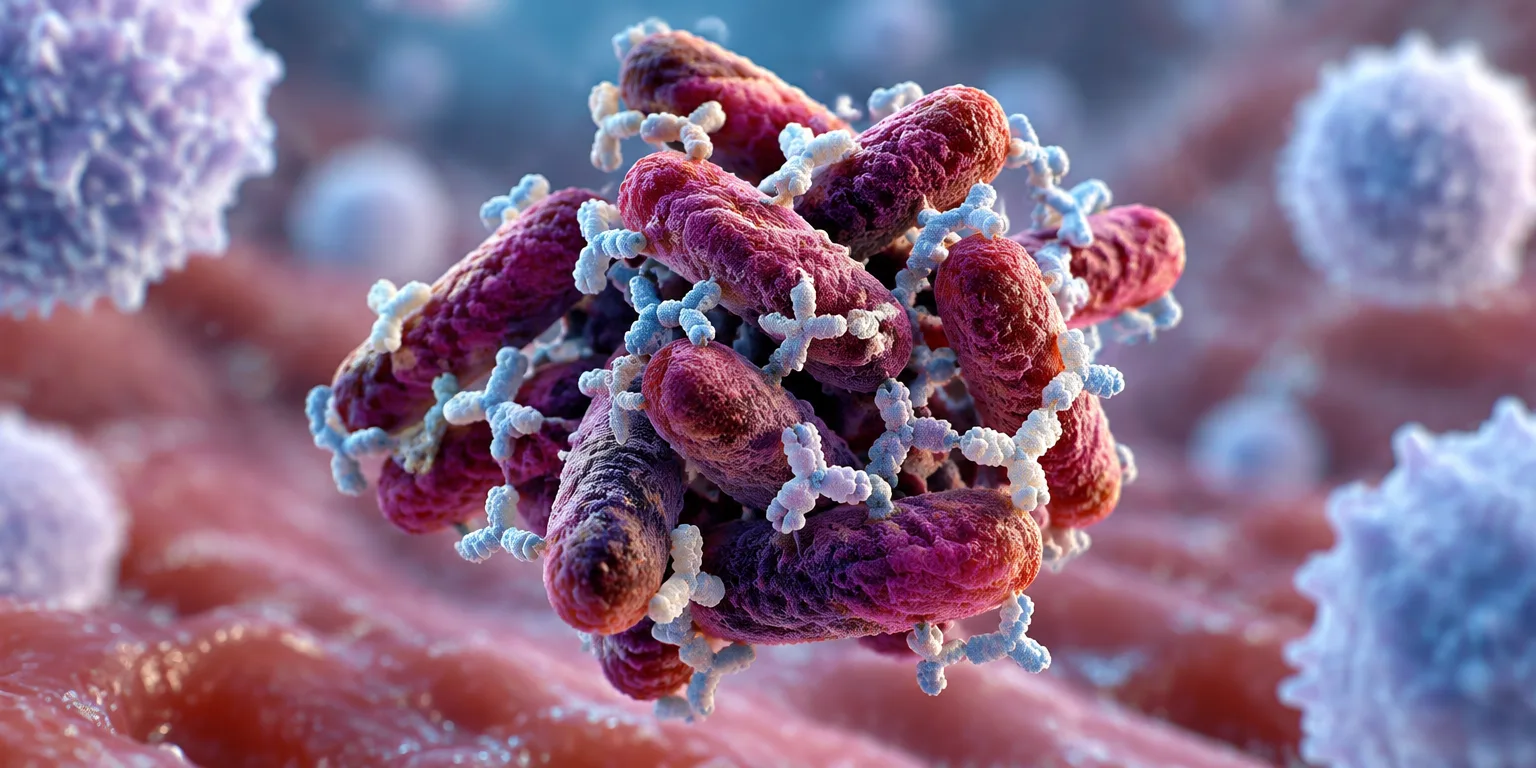
The tiny crab-shaped proteins swarm bacteria, clump them together, and leave them stuck and unable to struggle.
 Kurzgesagt – In a Nutshell · How The Immune System ACTUALLY Works – IMMUNE
About a week after bacteria slip into a cut, the second line of defense arrives: B cells, the makers of antibodies.
They make antibodies, small proteins shaped like tiny crabs with two pincers for grabbing enemies. Once helper T cells, the immune cells that direct the response, have found the right B cell and it has made enough copies of itself, each copy can pump out up to 2,000 antibodies per second.
The tiny army floods the infection site, latching onto the struggling germs and dazing them. The antibodies glue the germs into clusters so they are stuck and helpless, while the other immune soldiers move in to destroy the weakened germs.
Antibodies pin germs in place so other cells can kill them.
Questions people ask
How does the body know which antibody to make?
It does not design one from scratch. The body already carries a huge variety of B cells, each able to make a slightly different antibody. Helper T cells, the immune cells that direct the response, find the B cell whose antibody fits the invader, and that cell is told to copy itself until there are enough factories to flood the area.
Why does it take about a week for antibodies to arrive?
Finding the rare matching B cell takes a day or two, and then it must clone itself many times before production scales up. Only after enough copies exist can each one start releasing thousands of antibodies per second.
What happens to that protection after the infection is gone?
After the battle, many of the fighting cells die off to save resources. But some memory cells stay behind to guard the body for years, and some B cells keep making low amounts of antibodies. That is a major reason you can become immune to a germ you have already fought.