After Early Tasers Failed, $100 Volunteers Proved the Fix Worked
Officers who took the shock fell, got up surprised, and started placing orders.
 All-In with Chamath, Jason, Sacks & Friedberg · Freedom vs. Safety: Axon CEO Rick Smith on the Future of Policing
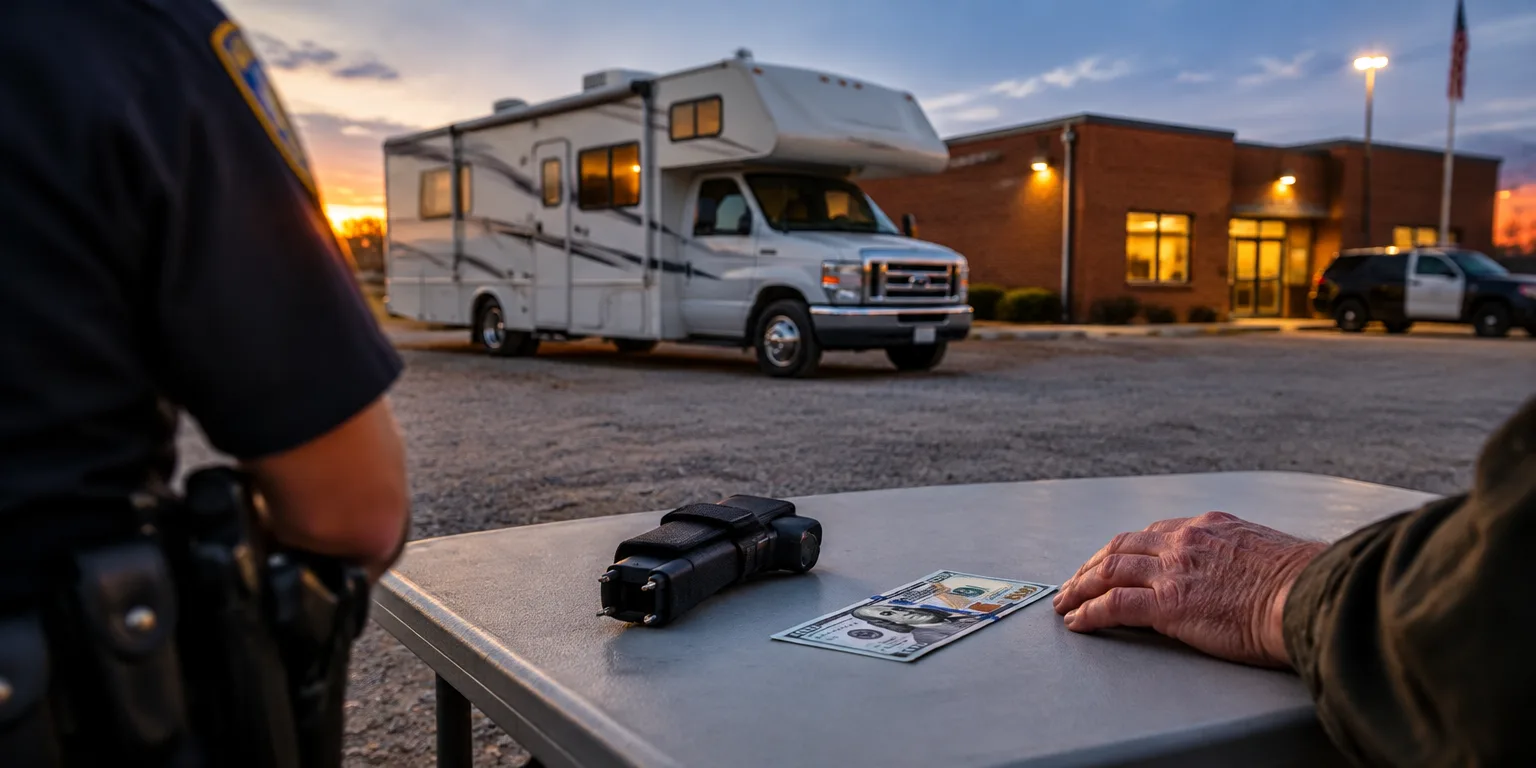
The trainer arrived in a Winnebago with a stun gun and a $100 bill.
Hans, a former Marine hired as a trainer, would walk into a police department, explain the weapon, and offer the cash to any officer willing to take the shock and stay on his feet. He had no glossy brochures and no advertising budget behind him.
The launch was simple and had no big ad budget, and it had to overcome a reputation that Rick Smith, who leads police technology company Axon, says was deservedly terrible.
An early Taser had failed to stop Rodney King when Los Angeles police fired it at him, and officers then turned to batons with catastrophic consequences. Smith says his own first generation device had the same problem, because a focused and aggressive person could fight through the pain.
The fix came from animal testing that helped the company adjust the electrical pulses to seize up muscles. The goal was no longer simply to hurt someone, but to briefly paralyze the muscles so a person could not keep advancing.
That distinction mattered because officers then viewed nonlethal weapons as snake oil. Pepper spray hurt, Smith says, but a determined person could keep fighting through it.
Hans offered proof they could feel. Officers accepted the challenge, fell when the current hit, dusted themselves off, and said the shock was far more powerful than they had expected. Smith remembers cops as a brave crowd, unafraid to try, and says some volunteered to go again.
The reaction was immediate because the value was easy to picture. Smith says officers told him again and again that "this would have prevented me from shooting someone or getting in a knockdown, drag out fight with a very dangerous person."
Headquarters, Smith says, "could track where Hans was going" as purchase orders started coming in. Within a year, Smith says, the company reached cash flow break even.
Questions people ask
How does a Taser stop someone if it is not just about pain?
A Taser sends rapid electrical pulses that mimic the signals nerves use to tell muscles to move. The muscles contract uncontrollably for as long as the current flows, so a person generally cannot stay balanced or keep advancing, then recovers quickly when it stops.
Is it safe for an officer to volunteer to be shocked?
Training exposures are brief, usually five seconds, supervised, and followed by medical checks, and most healthy volunteers recover immediately. They still carry risks, especially for people with heart conditions, injuries from falling, or other medical problems, which is why departments screen volunteers and control the setting.
What happened to the company after the demonstrations worked?
The company reached cash flow break even within a year. It later added body cameras, cloud storage, and software for managing video evidence, changed its name from Taser to Axon, and became a major supplier to American police departments.