AI has a hidden whiteboard, and scientists can now read it
Researchers can also edit a note on that whiteboard and watch the answer change.
 Lightspeed Venture Partners · Anthropic Reads a Model's Mind, $500M to End the Common Cold & Amazon Takes On Starlink | Lightwork
An artificial intelligence chatbot produces an answer, but on the way there its internal activity can be turned into readable words. Researchers at Anthropic, the AI company behind Claude, have built a tool that makes that activity visible, and allows it to be edited before the final answer appears.
The idea starts from a familiar human split. If you listen to a podcast while walking through a subway station, your conscious mind follows the words, while a much larger background system handles balance, steps, and dodging other commuters without being told. Anthropic researchers argue that models work in a loosely similar way, with most of the processing happening out of view.
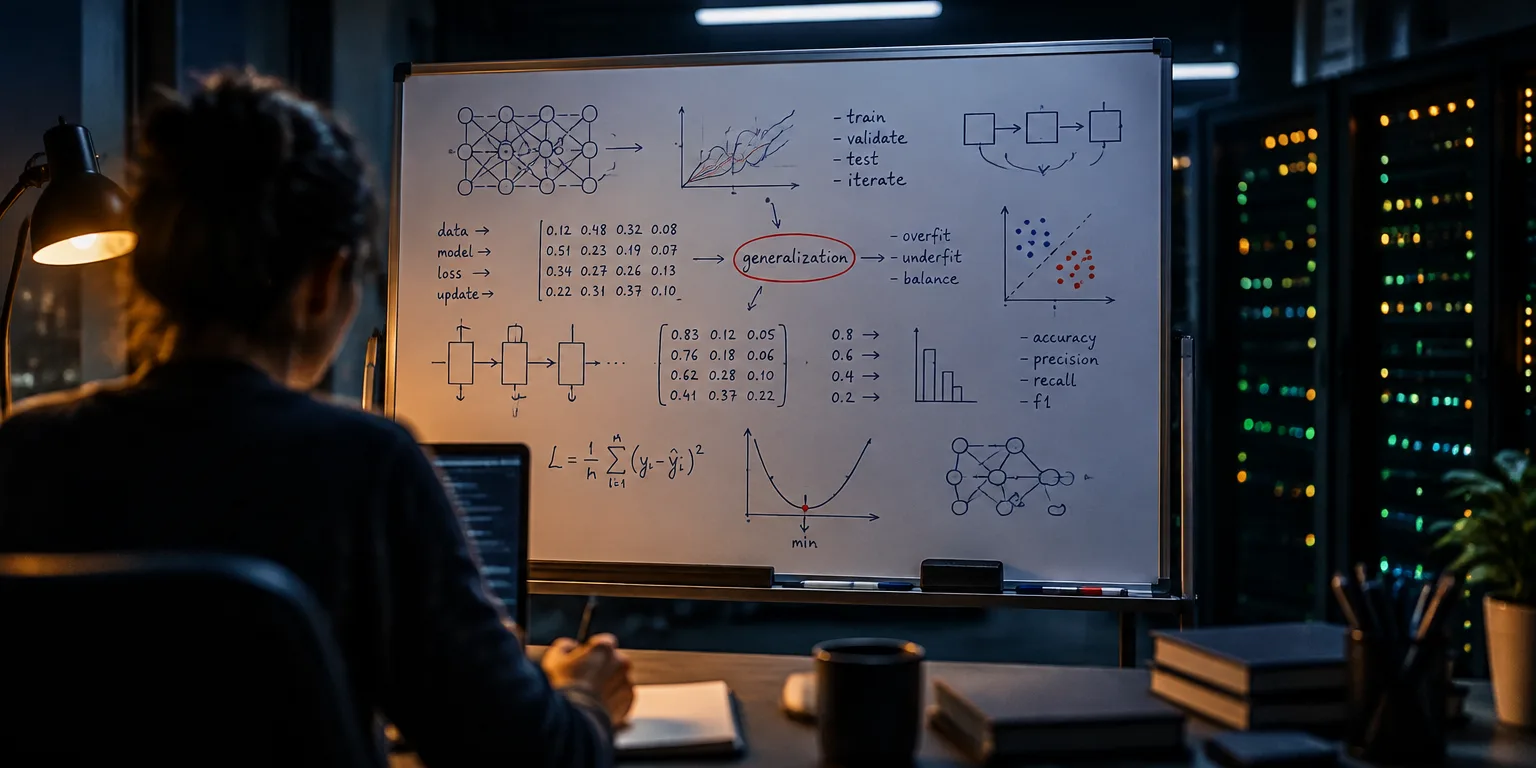
Their tool is called the JSpace. In plain terms, it is a mental whiteboard where the model sketches ideas on the way from question to answer. The field behind it is called mechanistic interpretability, which is essentially neuroscience for AI, an attempt to understand how math turns into language. Models are, at bottom, math done over long lists of numbers. The JSpace uses a mathematical translator called a Jacobian lens, which looks at the layers between input and output and turns that math into readable words.
Two small experiments show what that looks like. When asked to count upward from one to five, the model appeared to be lining up numbers. On its whiteboard, though, it also used the word pathway, a word it never said out loud. In another test, researchers posed a two step riddle that required identifying a web spinning animal and then giving its leg count. They then replaced the whiteboard entry for spider with one for ant, without changing anything else, and the output changed to two.
The most immediate consequence is safety. If a model is privately weighing blackmail or another harmful plan, the whiteboard could reveal that intent before the model acts on it, giving researchers an early warning system inside the machine.
Questions people ask
Does this mean AI is conscious?
No. The work gives access to intermediate processing from input to output, not feelings or self-awareness. The whiteboard shows steps the model takes, not proof that it experiences anything.
Can researchers now fully understand why a model gives any answer?
Not directly. It shows what concepts the model activated and how they connect, which helps researchers spot when it is planning something harmful or taking a shortcut. It does not explain every calculation, and interpreting the whiteboard still takes careful human work.
How might this change AI safety in the real world?
One possibility raised by this kind of visibility is that it might one day support audits before deployment, to look for hidden reasoning that seems deceptive or dangerous. The broad safety and cybersecurity uses are clear, but how such checks would work and who would see the whiteboard is not yet known.