Silber Said Engineers Reported Huge AI Gains While Design Stayed Messy
Designers embracing the change use AI at every step, Silber said in August.
 Lenny's Podcast: Product | Career | Growth · OpenAI’s Head of Design: This is the best time in history to be a designer | Ian Silber
In August, Ian Silber, OpenAI's head of product design, said engineers on his teams were reporting 10 times and sometimes 100 times more productivity from AI, while designers were not seeing the same jump.
The difference, he said, was in the nature of the work. He said asking a coding agent to do something is pretty binary, and at this point it usually gets it pretty well.
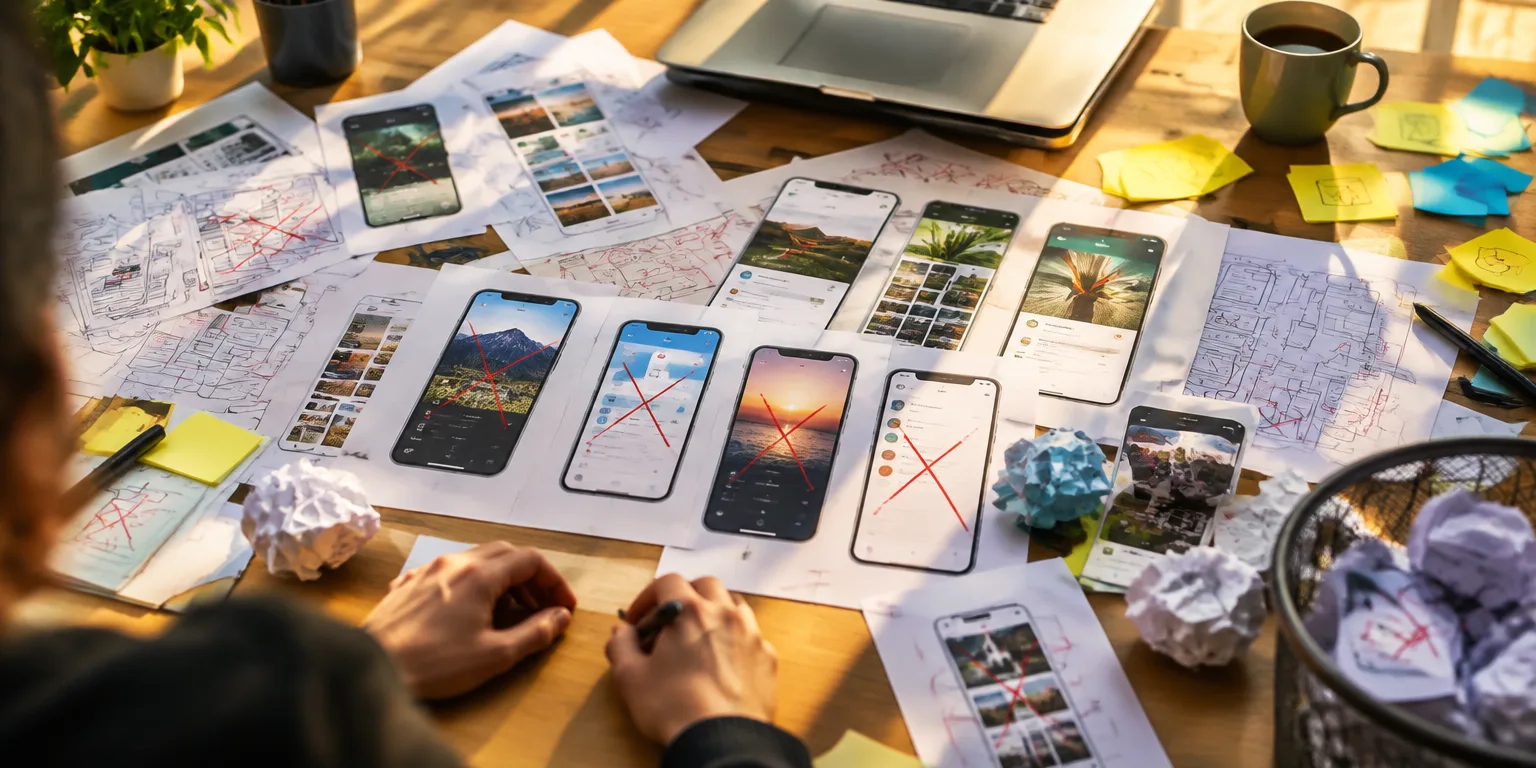
Silber said in August that design was still messy and fluid. A designer, as Silber put it, has to "try a bunch of things and throw them out." An idea that seemed great could fail once, fail again, fail with users, and then fail again after internal feedback. Silber called that loop arduous and fun, and said it had not been compressed.
Silber said AI could help a designer produce many more ideas quickly, but the rest of the process remained. Someone still had to watch how people used those ideas, decide what was wrong, and get many people to agree, especially inside a bigger company where alignment carries a lot of overhead.
In a survey of tech workers discussed in the conversation, about half said they were enjoying their careers more than ever, and the strongest correlation was feeling amplified by AI. Those doing well were described as curious, having time to explore, and feeling more creative. Silber said the designers embracing the change use AI at every step of the process and are learning together as a community.
Questions people ask
Why is coding easier for AI to speed up than design?
Much of everyday coding has a clear right answer: the program runs, passes tests, and fixes the bug. Design has no such finish line, because success means people understand it, enjoy it, and choose it. That judgment still requires showing real options to real users.
What does it mean to use AI at every step of the process?
It means taking Silber's point literally: using AI at every step for help, from throwing an idea into a coding agent to think it through to making a quick prototype. In this reading, the designer still decides what to keep and what to discard. The gain is more attempts, not fewer decisions.
Will design ever get its own 10x productivity leap?
It could, but only if AI gets better at the slow parts: predicting how people will react and building agreement across teams. Faster mockups alone do not help if testing and alignment stay slow. Until those loops shrink, design gains will likely look smaller than engineering gains.