AI Makes Us Spend Now So We Can Produce More Later
Fed Chair Kevin Warsh says the AI boom is lifting spending and prices now, but should help workers and businesses produce more later.
 Bloomberg Daybreak: US Edition · Warsh Boosts Rate Hold Expectations; Midterm Debates Ramp Up Nationwide
Artificial intelligence is making the economy spend first and produce more later.
That was the message from Kevin Warsh, the chair of the Federal Reserve, the central bank that tries to keep prices stable and employment high. In conversation with Kristalina Georgieva, the head of the International Monetary Fund, at the Fund's annual meeting in Bangkok, Warsh said AI would bring a huge benefit to the American and global economy over the horizon and described the United States as experiencing a massive investment surge.
Asked how central bankers should think about AI in the short term and the long term, Warsh called its arrival probably the most consequential change to the American and global economy in his lifetime. Warsh said it is "hitting the demand side of the economy" before it hits the supply side.
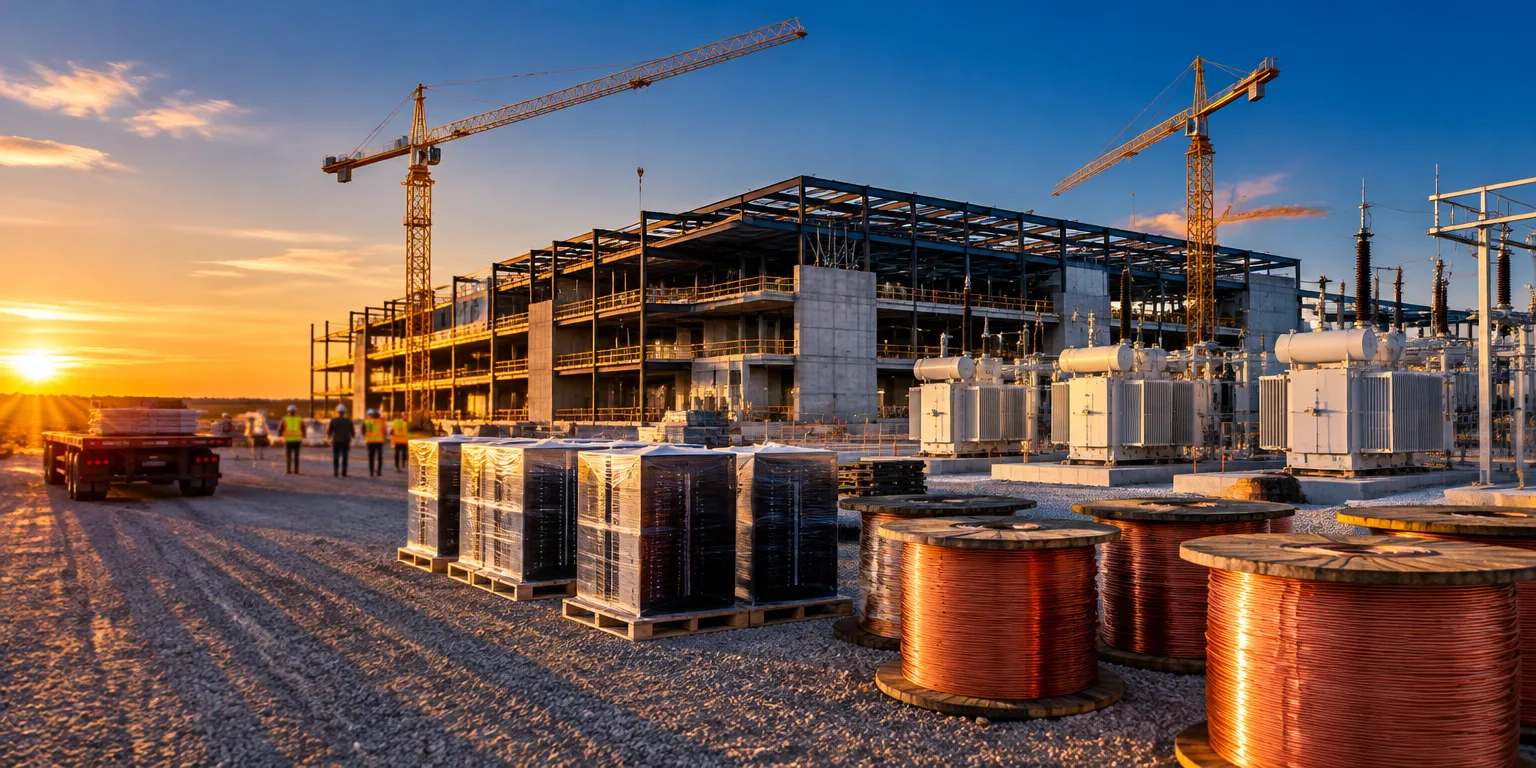
Demand, in this sense, means spending. Right now, enthusiasm about AI is pulling money into investment, and Georgieva noted that this investment enthusiasm is one source of stubborn inflation, or price pressures, around the world, alongside energy shocks and war.
Supply means what the economy can produce. Warsh said he fundamentally believes AI will become "a positive supply shock in the medium term." To put that in plain terms, businesses and workers will be able to make more with the same time, money, and effort. On the path to that improvement, he said, the economy is seeing increases in aggregate demand, or total spending.
He contrasted AI with war, which Georgieva said is dragging some economies down. Unlike the shocks of war and military conflict, Warsh said, this technology shock should bring a huge benefit to the American and global economy over the horizon.
Questions people ask
Why would more investment push prices up?
When companies all spend at once on buildings, equipment, and hiring, they compete for the same workers, materials, and electricity. That competition can bid up wages and costs, and businesses often pass those costs on as higher prices. It is the classic case of too much spending chasing limited resources.
What does a positive supply shock actually do?
It lets the economy produce more without needing more workers or higher costs. Think of a better delivery route that lets the same truck deliver more packages in a day. When many businesses get that kind of help at once, growth can rise while pressure on prices eases.
Why is AI different from an oil or war shock?
Oil and war shocks usually destroy supply by making energy scarcer, trade harder, or workers less safe, so prices rise and growth falls. A useful technology does the opposite over time by making work easier and cheaper. The pain comes early from the spending race, while the payoff comes later from higher productivity.