AI Makes Weak Papers Sound Strong, and Rejections Harder
Smooth prose now hides thin research, forcing editors to hunt for flaws that used to be obvious.
 Marketplace · Oil companies pump it up
A weak academic paper used to announce itself. The writing was poor, the citations were not quite right, and an editor could turn it away quickly.
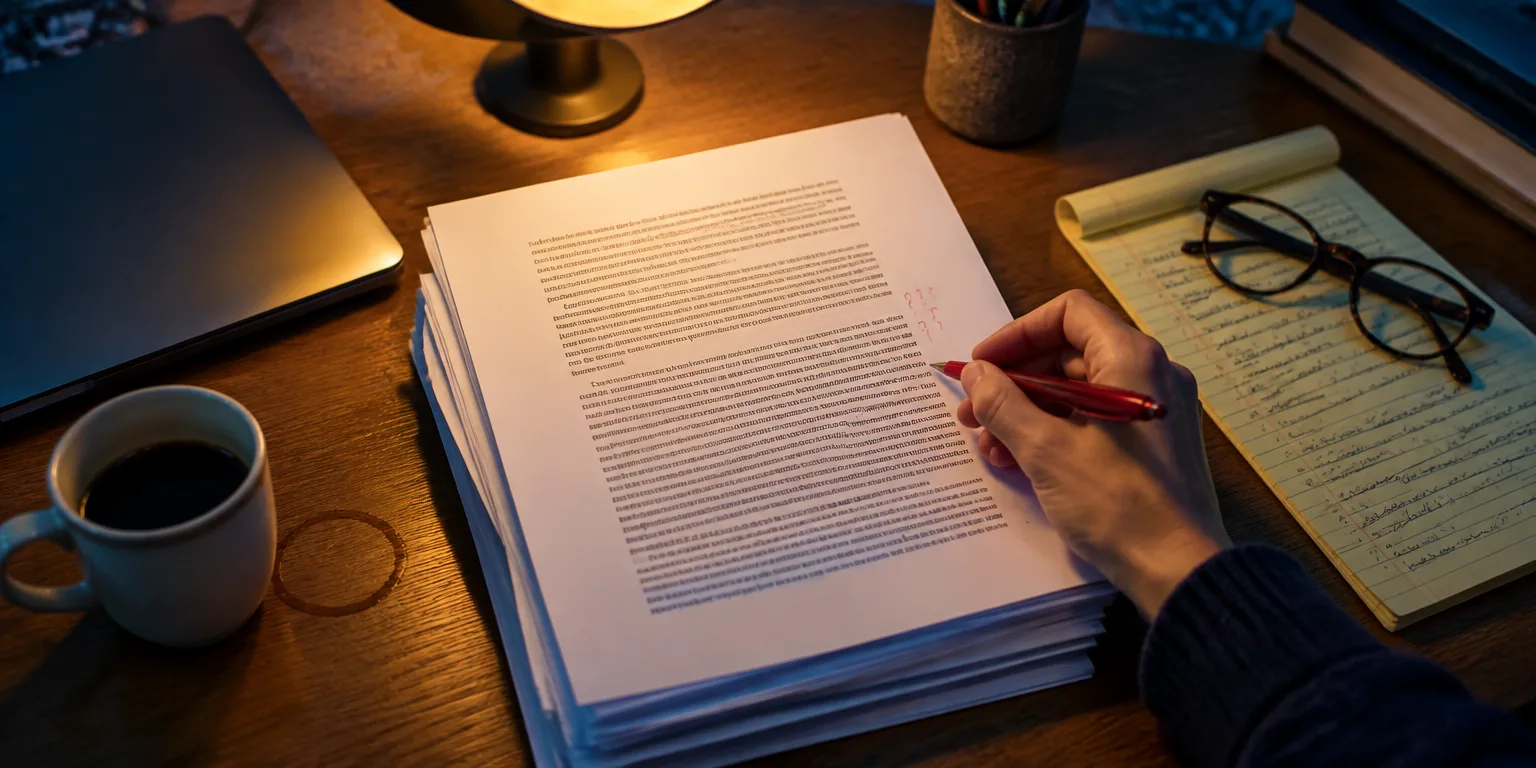
Artificial intelligence has made that warning sign less reliable. It puts what bioethics editor Anna Wexler calls a gloss or a sheen on submissions, so they sound better even when the argument and scholarship are inadequate.
Wexler teaches at the University of Pennsylvania, focusing on medical ethics and health policy. She says she has noticed a "change just in the last few years," as more submissions arrive with a heavy AI hand in the writing.
A paper that looks finished demands closer reading to find the flaws. Smooth prose can hide thin reasoning, so the editor must work harder to see what is missing.
Writing the rejection takes more time too. Wexler describes the task as articulating what is not working, or "finding where the argument isn't as coherent as it could be."
Papers with several authors add another layer of fog. With multiple names on a publication, it is often unclear who was responsible for which sections, or how much each author realized about the AI involvement.
Wexler calls the process time consuming, depressing, and disheartening. She says AI puts the credibility of published research, of researchers, and of journals themselves at stake.
Questions people ask
How can an editor tell if AI polished a paper?
Editors look for smooth but vague prose, citations that do not quite support the claim, and arguments that fall apart on close reading. No detector is fully reliable, so many journals now ask authors to disclose how AI was used.
Are academics allowed to use AI at all?
Many journals allow limited help with language, grammar, and flow, but require authors to disclose it. They draw the line at letting software supply ideas, evidence, or conclusions, and authors remain responsible for every error.
Why does a slower rejection matter for science?
Peer review depends on unpaid experts reading carefully and writing detailed critiques. If every weak submission needs a long, careful rejection, editors and reviewers handle fewer papers, and decisions and publication slow down.