AI needs $5 trillion in loans, and that could make borrowing cost more for everyone
Because AI data centers earn such high returns, tech giants could afford to pay 8% to borrow, and lenders could charge everyone else more too.
 Dwarkesh Podcast · Dylan Patel – Anthropic & OpenAI will have most of the world’s compute by 2028
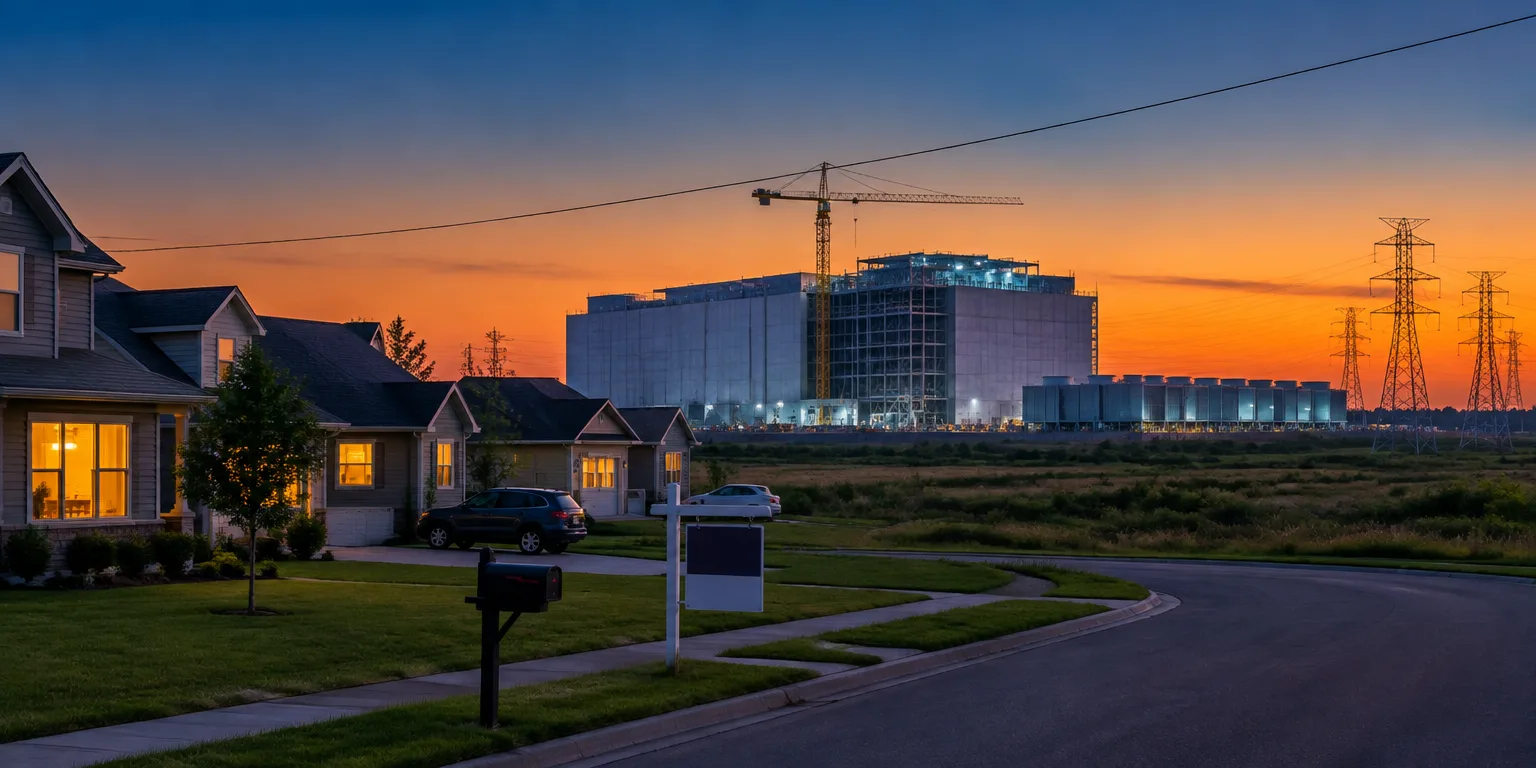
The artificial intelligence building boom is so profitable that it can afford to outbid almost everyone else for money, and that is why your loan could get more expensive.
The math, laid out by Dylan Patel, a chip and AI industry analyst, starts with about $11 trillion in total spending on AI infrastructure from 2024 to 2029. About $6 trillion of that can be paid from cash, but north of $5 trillion would still have to be raised as credit across the ecosystem.
That borrowing power comes from returns. A data center rented to OpenAI or Anthropic can fetch about 10 times what it costs to build on a depreciated basis, meaning after accounting for wear on the building's value. The related payoff, turning $1 into $2 to $10 within a year, is a rough, offhand estimate by Dwarkesh Patel, the podcast host who interviews Dylan Patel. When an investment pays that well, the builder does not mind paying more for a loan.
So Meta, which recently borrowed at around 5 to 6%, would happily pay 8%, Dylan Patel argues. That roughly 250 basis-point jump, he argues, would mean everyone else pays about 250 basis points more too. To put the mechanism in plain terms, heavy borrowing by one group pushes up rates for others. When large technology borrowers seek huge sums in the bond market, the gap between government rates and what everyone else must pay widens.
The borrowers most exposed are the ones that live on debt, including makers of packaged foods, telecom carriers, banks, and poor countries with heavy debts.
The United States budget feels it as well. About 20% of federal tax revenue now goes to interest on the national debt, a lot of which rolls over every five years because it is short duration. Corporate income tax supplies less than 10% of federal revenue, while more than 80% comes from payroll and income taxes that automation could shrink.
Dwarkesh Patel offers a hypothetical illustration: if rates rose by one percentage point, the share of tax revenue going to debt service could rise from 20% to about 25% over five years, while a five point rise could lift it past 40%, and past 60% once $2 trillion in annual new government borrowing is included.
Dwarkesh Patel argues the United States could still come out well if that construction happens domestically and is taxed there. Countries with high debt and small tax bases, such as Pakistan and Nigeria, he says, face a far harsher outcome in a higher rate world.
Questions people ask
What does 250 basis points mean?
A basis point is one hundredth of a percentage point, so 100 basis points equals one percentage point. A 250 basis point increase means a loan that cost 5% now costs 7.5%.
Why would tech borrowing raise my mortgage rate?
As a general matter in economics, lending does not expand instantly to meet every borrower, so competition for funds can push rates higher. If a tech company with strong cash flow offers 8%, other borrowers may have to offer more than before to attract the same lenders. That competition can spread across mortgages, credit cards, and government bonds.
Could taxing data centers solve the U.S. debt problem?
It would help, but only partly. Data centers create profits, jobs, and property that can be taxed, which would widen the tax base. But the current federal system relies mostly on wages and salaries, so if automation holds down employment income while interest costs rise, the budget still tightens.