AI Needs Power Around The Clock, And Solar Alone Cannot Deliver It
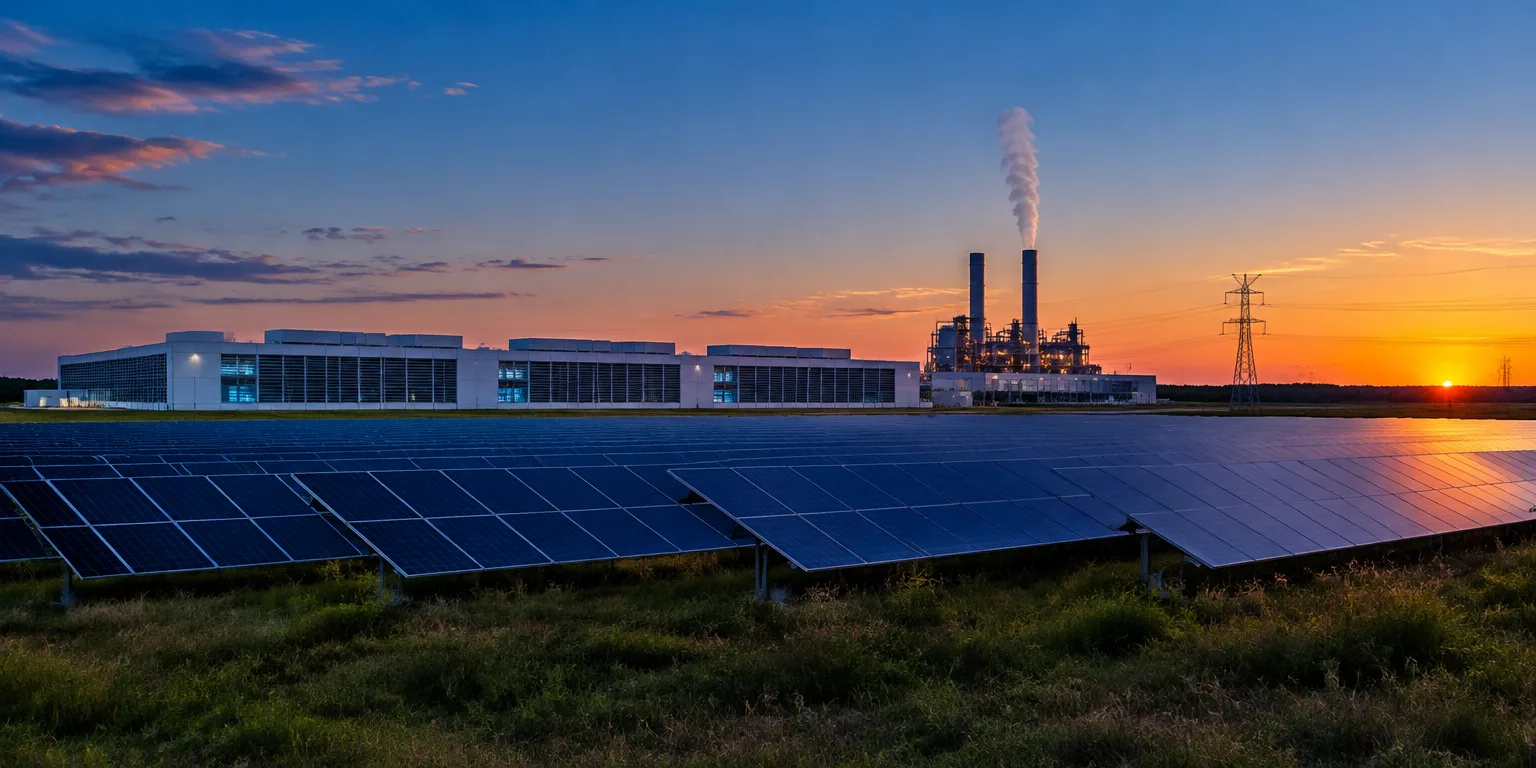
Four-hour storage paired with solar might cover eight hours, leaving gas to fill the rest at two to three times the cost of solar.
 In Good Company with Nicolai Tangen · NextEra Energy CEO: Powering AI, Nuclear's Comeback and a Historic Utility Merger
Training artificial intelligence takes huge amounts of electricity, and it cannot pause for sunset. The data centers doing that work need power around the clock, every hour of every day.
Solar panels and wind turbines can supply some of that power quickly, and batteries can save extra electricity for later. John Ketchum, chief executive of NextEra Energy, one of America's largest builders of power plants, says his company today has four-hour storage capability.
Ketchum says combining that storage with solar generation might stretch coverage to about eight hours. That still leaves most of the day uncovered.
That gap matters for AI training and for newer AI systems that can carry out multistep tasks on their own. They need steady, always on power, known in the industry as baseload generation.
For now, Ketchum says, that baseload is coming from plants that burn natural gas. He says nuclear might provide that steady power in the future. NextEra operates the largest gas fired fleet in the United States and is also one of the country's largest nuclear operators.
Gas has drawbacks. Ketchum estimates that a gas plant costs two to three times as much to build as a solar farm, and it takes much longer.
A wind farm can be built in about 12 months, a solar farm in 18 months, and a battery project in 15 months, compared with three or four years for a gas plant. So a company can meet early demand with renewables and storage while gas is on the way.
Nuclear power, which runs day and night, is a possible option further down the road, Ketchum says. Separately, he expects battery storage to keep improving in combination with solar.
Questions people ask
What does four-hour battery storage actually mean?
A battery rated for four hours can deliver its full power for that long before it runs out. To cover a cloudy stretch or an entire night, you would need many more batteries, plus enough extra solar panels to charge them, which quickly becomes expensive and takes up a lot of space.
Is gas power more expensive to run than solar, not just to build?
Yes, in fuel and carbon emissions. A gas plant burns natural gas whenever it runs, while sunshine and wind are free once the equipment is built. That is one reason utilities still prefer to build solar and wind first when speed and cost matter.
Why is nuclear mentioned as a longer-term option?
Nuclear plants run steadily for months at a time and do not produce carbon emissions while generating electricity. The challenges are time, cost, and complexity: large plants take many years to license and build, and newer small designs are still working through uncertain costs and schedules.