AI's Next Bottleneck May Be Electricity, Not Computer Chips
Startups are putting small data centers next to wind farms and at sea, and Elon Musk has talked about space.
 20VC with Harry Stebbings · Why Now is the Time for the App Layer | Why Startups Should be TokenMaxxing | Mike Mignano, USV
Every new AI model gets smarter, but it also gets thirstier for power. Training and running these systems inside giant data centers uses so much electricity that power, not computer chips, may decide how fast AI can grow. That is the bet behind USV, the venture firm that skipped investing in the big model makers and instead started backing energy in 2021.
General partner Mike Mignano says the logic is simple: no matter which AI model wins, it will need an energy layer underneath it to run. And over the past few years, he says, the industry has learned it needs even more electricity than expected, and it needs that electricity to be portable enough to reach the computers.
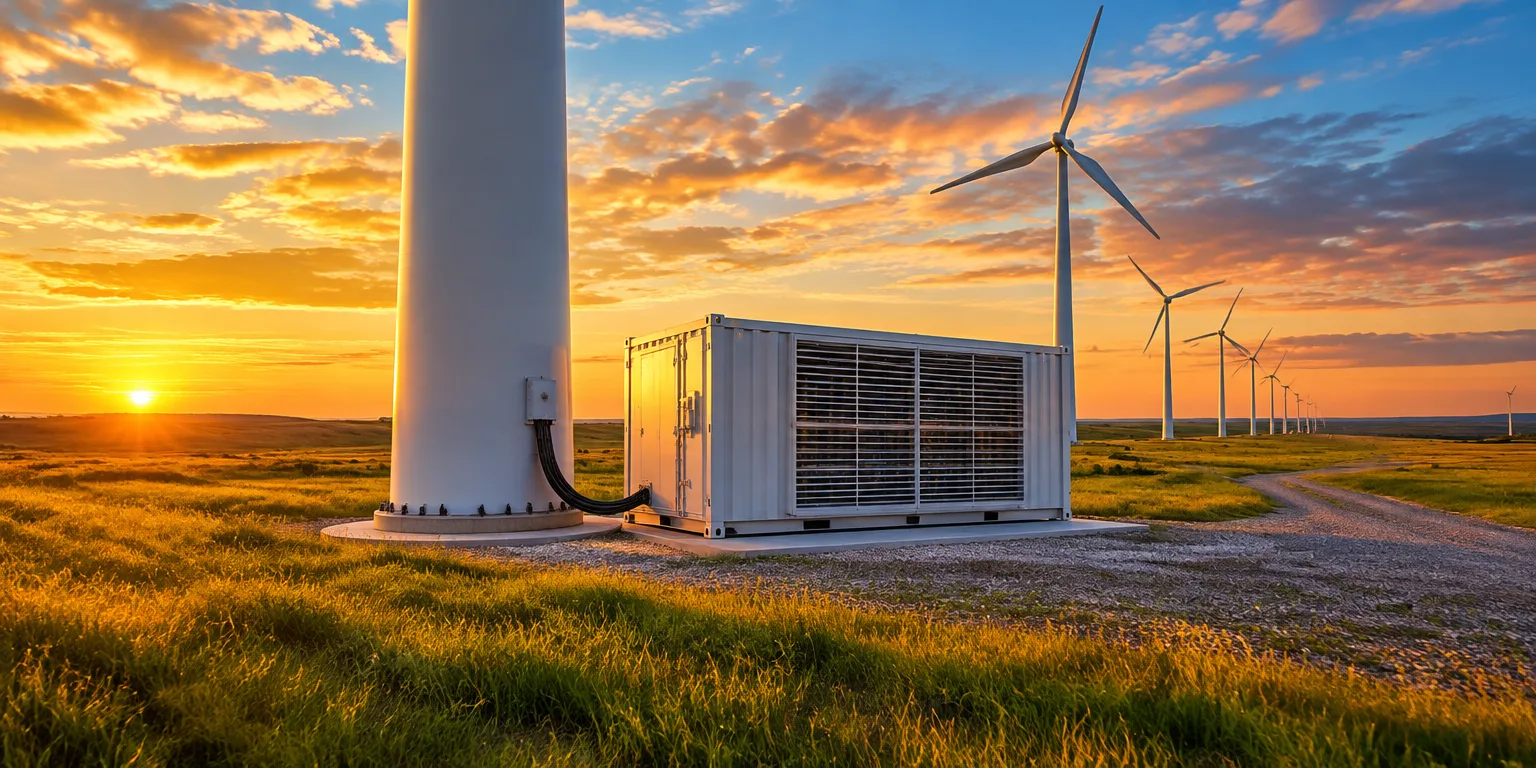
That movement problem is the hard part. The electric grid can be slow and expensive to expand, so one startup, Rune, is flipping the idea around. It builds micro data centers, small computing hubs, that sit right next to power sources like wind farms, so the computing happens where the electricity is made instead of shipping the electricity over long distances to the computing.
Other bets try to make more power in new ways. Another startup, Radiant, is building small nuclear reactors on a factory line, the kind made in a plant rather than built from scratch on site, and Mignano says it is set to be among the first to test in the United States.
The search is spreading further. A company called Panthalassa puts data centers at sea, and Elon Musk has discussed putting data centers in space.
Questions people ask
Why does AI use so much electricity?
Training a large model means running tens of thousands of processors nonstop for weeks or months, and answering user queries keeps them running around the clock. Cooling those machines takes large amounts of power on top of the computing itself. Together, a single large data center can use as much electricity as a small city.
Why put a data center next to a wind farm instead of just using the grid?
Wind farms often make more power than nearby towns can use, and sending it far away can require new transmission lines that take years to permit and build. A data center next door can use the power on the spot. It also lets operators add computing quickly without waiting for grid upgrades.
Do underwater and space data centers actually help?
Water can cool machines cheaply and naturally, which cuts one of the biggest energy costs, though saltwater, maintenance, and environmental rules make it hard. Space offers constant solar power and extreme cold, but launching hardware is costly and repairs are almost impossible. Both ideas are still experiments rather than mainstream solutions.