Algorithms Pick the Safest Choice for a Person Who Does Not Exist
Data scientist Lauren Leek argues that songs, menus, and shops are converging on the safest bet for an average customer who does not exist.
 straitstimes.com · Why does culture feel so monotonous? A walking tour reveals the math | The Straits Times
Data scientist Lauren Leek says much of modern culture works like a chatbot set to its least adventurous mode.
Chatbots write in small chunks, called tokens, by guessing what should come next. A setting called temperature controls how bold that guess can be.
At the lowest setting it always sticks with the top guess and repeats itself.
"It's predictable and safe," Leek said. "When the model is uncertain, it still has to make a prediction, so it always falls back on the most expected answer."
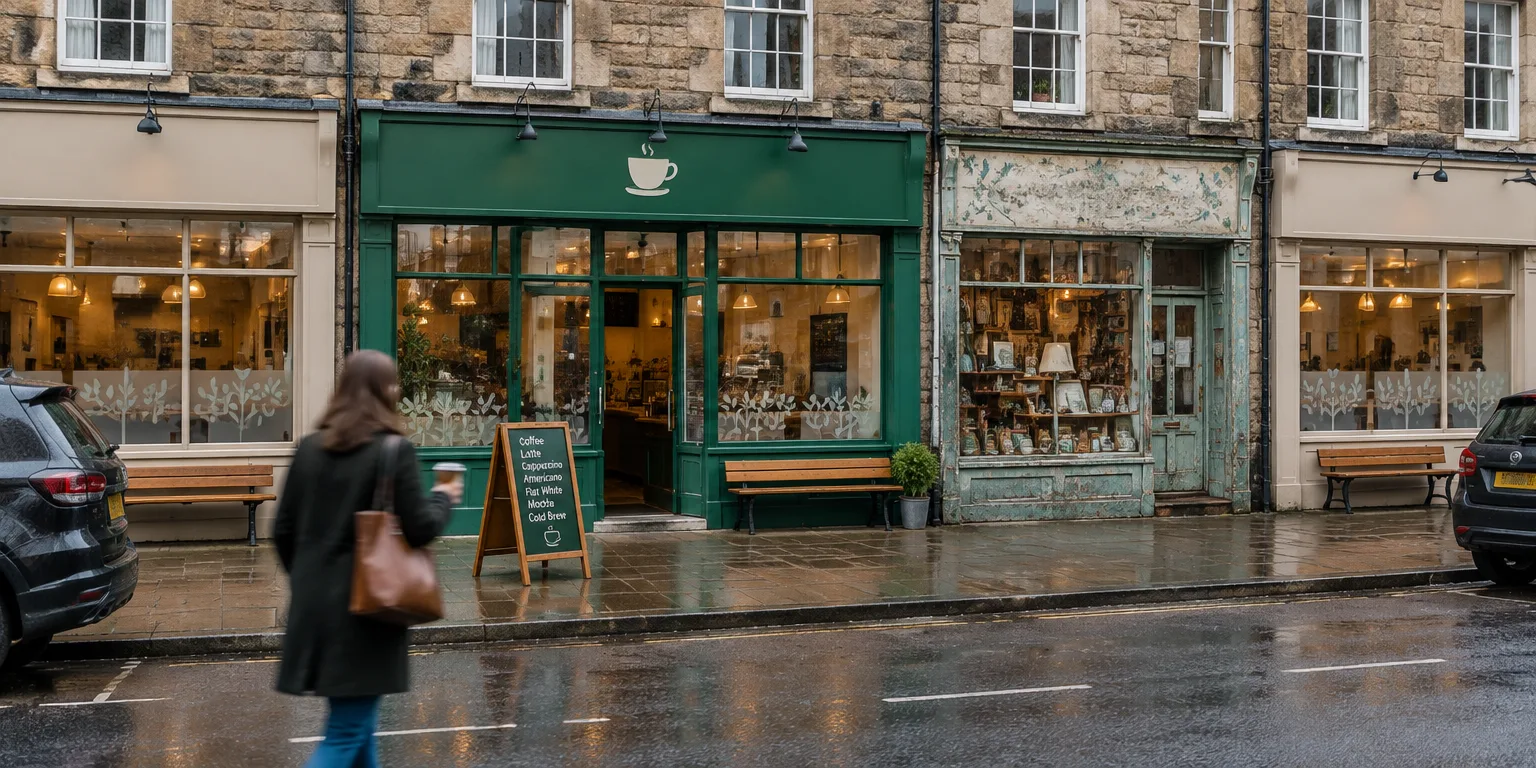
She argues the same caution now shapes songs, menus, and shops, where systems favor the safest bet over a surprise.
In more than 4,000 Billboard Hot 100 songs from 1950 to 2015, she found the variety of different words shrank by more than a quarter since the early 1960s, while repeated lines rose by nearly a third. With streaming payments starting after 30 seconds, she said, a repeated hook is the rational response.
She points to pub chains that combine ordering data from many sites to refine menus, removing local quirks, and to one nearby cafe chain that picks locations with site-selection software using census data plus its own data and analysts that independents lack.
"The algorithm is making predictions for the average person, but the average person doesn't exist," she said. "Each person has some niche preferences, and the niches differ."
"A system that optimises for the average of everyone's tastes produces something that nobody particularly dislikes but nobody particularly loves," she added. "It's built for a person who doesn't exist."
Questions people ask
What happens when you turn the temperature up on a chatbot?
It allows more randomness in the choice of the next chunk of text. The model can pick a less likely option, so the same prompt can produce different, more surprising or creative answers.
Why would a business want to aim for the average taste?
A middle-of-the-road choice lowers the risk of alienating customers. For a large business, a product that many people find acceptable can be more profitable than one that a few people love and many ignore.
Does playing it safe mean products are getting worse?
Not necessarily in quality. A mass market product can be well made and still feel generic, because the loss is in variety and surprise rather than in craftsmanship alone.