Almost 70% of the World's Wealth Is Land and Buildings
Software and intellectual property make up less than 5% of global wealth, despite all the talk about technology.
 Economics Explained · Why Is the World In So Much Debt
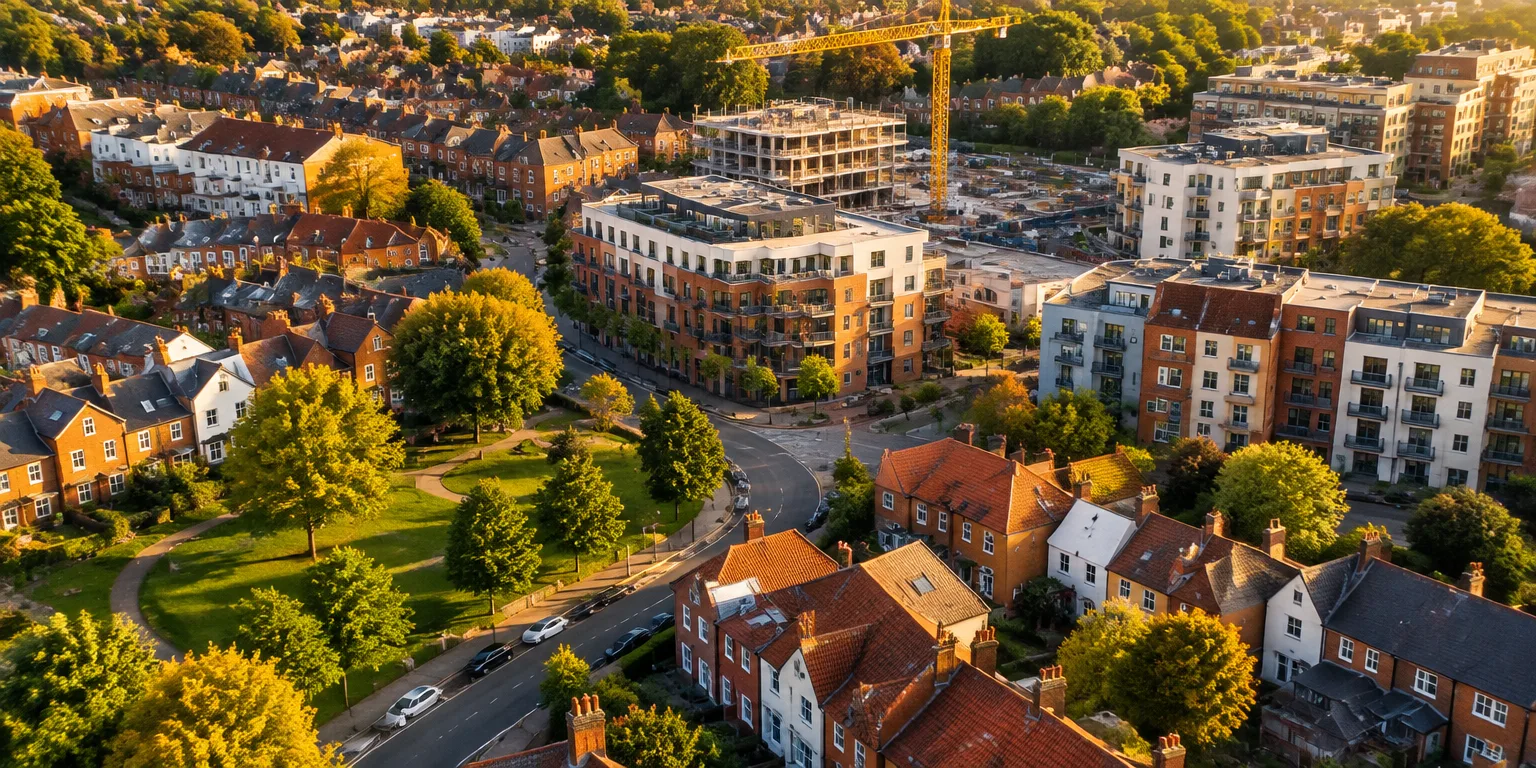
Nearly 70% of all human wealth is land and the buildings on it. That is the share of all the wealth in the world tied up in real estate.
The measure here is real assets, meaning things that hold lasting value or are used to make other things. That includes houses and infrastructure, along with the land itself, minerals underground, and rights to fish in seas or log in forests.
By contrast, intellectual property, including patents and developed software, makes up less than 5% of the world's wealth. The rest of the remaining third is other built things and claimed resources.
Questions people ask
If houses count as wealth, what about mortgages?
A mortgage nets out in the global tally. The house is a real asset, while the loan is a liability for the homeowner and an equal asset for the lender. Added across the whole world, those financial claims cancel, leaving only the value of the house and land itself.
Is land valuable because it produces something?
Sometimes it does, through farming, mining, or timber, but much of its value comes from scarcity and location. A city lot is worth a lot because many people want to live or work there, and no one can make more land in that spot. When demand rises and supply cannot, prices rise without anything new being built.