Almost Half of Dementia Risk Is Changeable
Education, exercise, treated blood pressure, and walkable, social neighborhoods build protection, and each year of delay cuts new cases.
 Global News Podcast · Annual dementia cases could double by 2050
Professor Henry Brodaty, a co-author of a major new dementia study from the Center for Healthy Aging at the University of New South Wales in Australia, puts a number on hope. “About 45% of the risk of dementia are environmentally modifiable factors,” he says, meaning risks that people and communities have some power to shift.
The first protection is learning. Extra schooling builds a mental buffer against harmful brain changes that can accumulate with age.
The second is the body. Regular movement is tied to lower chances of dementia. Avoiding high blood pressure helps, and for people who have it, treatment helps more with each year it continues. The same advice applies to high cholesterol or lipids.
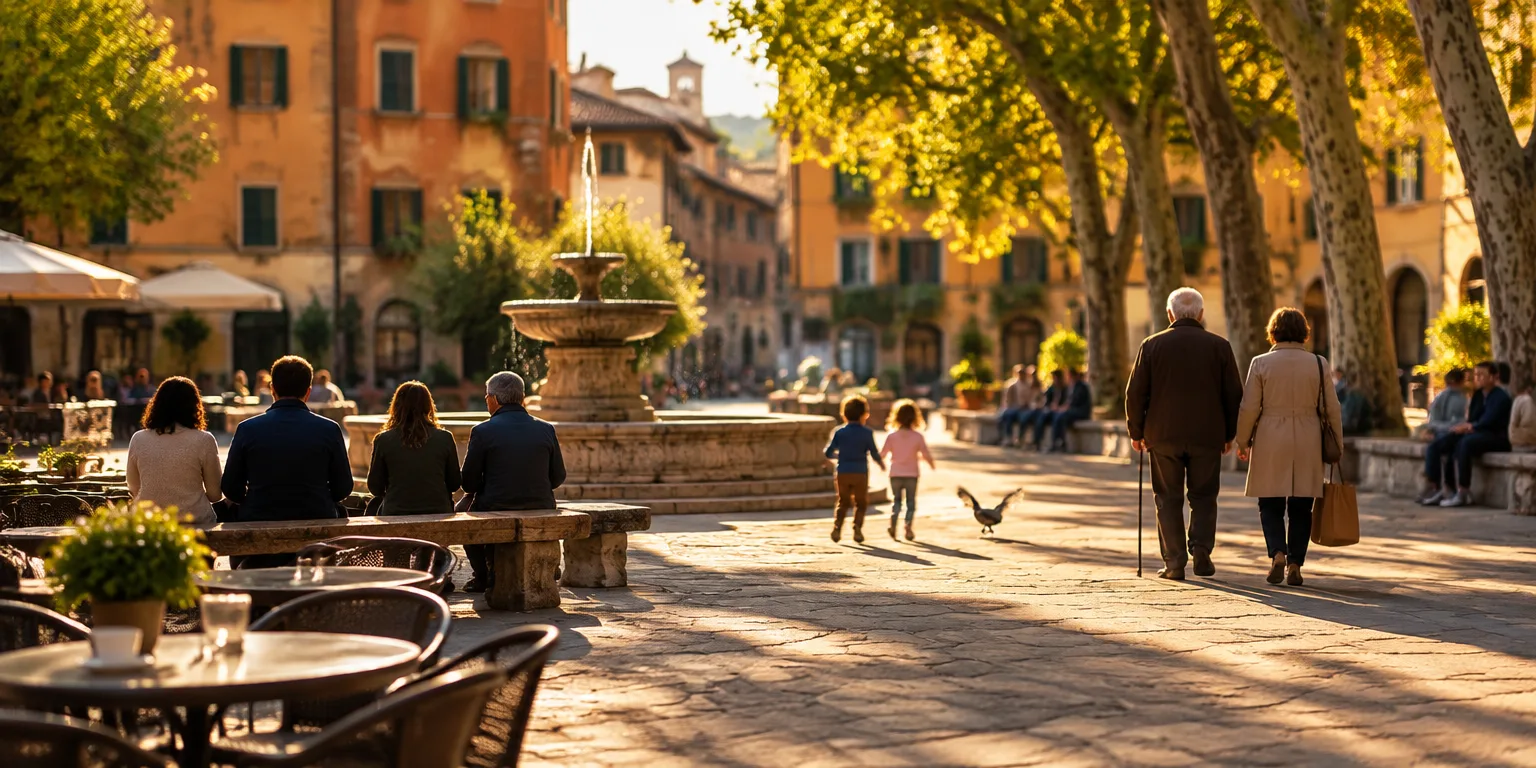
The third is the neighborhood. Beyond personal habits, surroundings matter. Brodaty notes that air pollution “has been associated with dementia.” By contrast, places that let people stroll amid parks and water offer protection. So do places where people can gather and talk, with the Italian piazza, the open square where people meet, as an example.
For every year the onset of dementia can be delayed, the number of new cases falls by 10%.
Questions people ask
What is cognitive reserve?
It is the brain's ability to keep working well despite age-related damage or disease. Education, complex jobs, reading, and learning new skills are thought to build extra connections between brain cells. That does not prevent the damage, but it can help a person function normally for longer.
How much exercise helps the brain?
Most public health agencies suggest about 150 minutes a week of brisk walking or similar moderate activity, plus some strength work. Studies link regular aerobic activity to better blood flow, lower blood pressure, and slower cognitive decline. Even short daily walks are better than none, especially if they become a habit.
What are green and blue spaces?
Green spaces are parks, trees, gardens, trails, and other natural land in a city or town. Blue spaces are places near water, such as rivers, lakes, coasts, and fountains. Researchers think they help because they encourage walking, reduce stress and air pollution, and give people places to meet.