Amazon Lets Small Sellers Find Winners, Then Copies Them
More than six in ten sales come from third-party sellers, giving Amazon the sales data to launch rival versions.
 Frugal Friends Podcast · Deinfluencing Amazon (Watch Before You Buy)
When you buy something on Amazon, you are probably not buying it from Amazon. More than six in ten sales involve outside merchants, which means Amazon profits from those sellers while seeing their sales data.
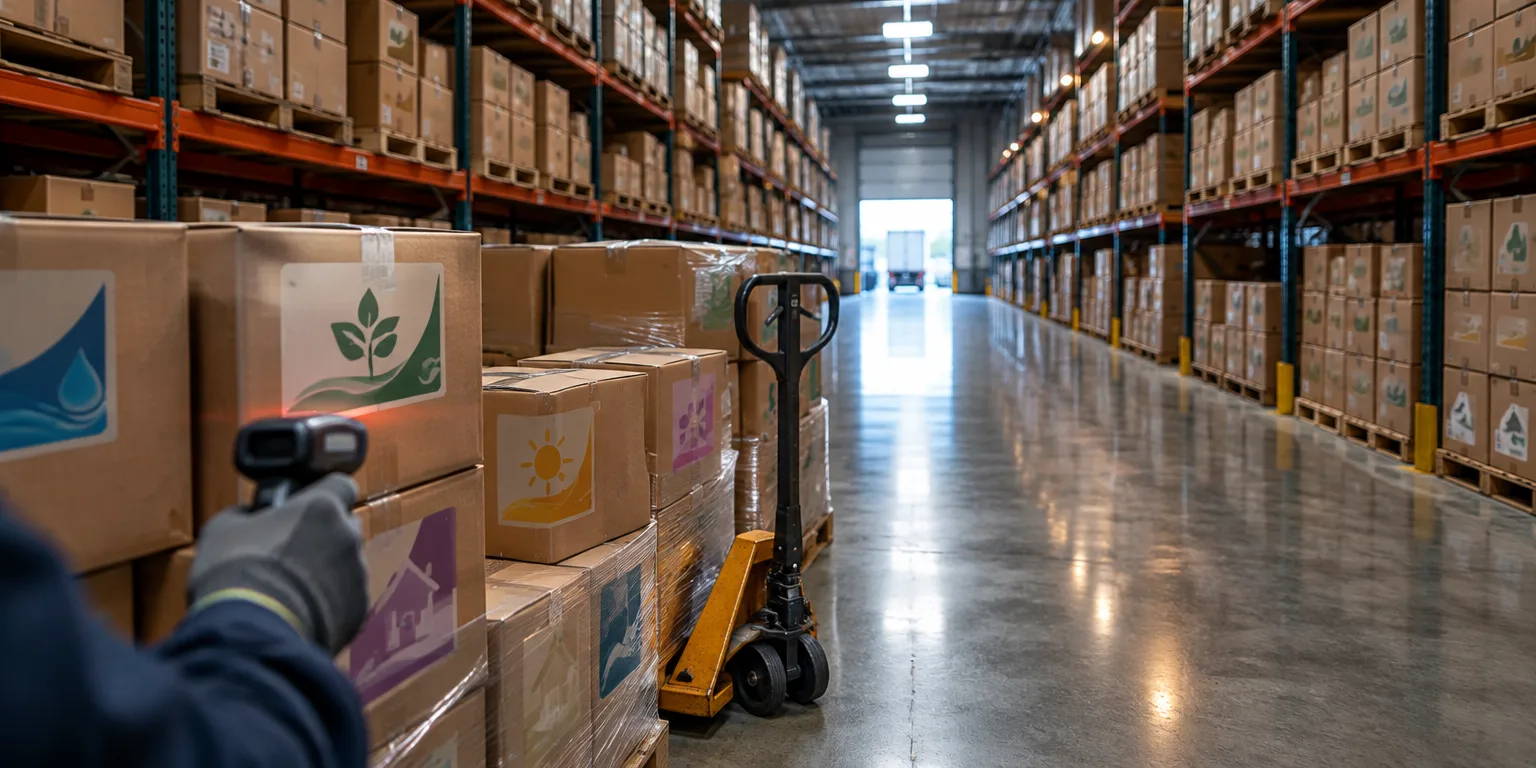
Here is how a typical product gets there. A seller goes to a wholesale site like Alibaba, picks a cheap factory product, and gives it a made up brand name. The seller does not even have to touch the goods. The products can go straight from the factory to an Amazon warehouse, and Amazon ships them to shoppers. The seller is mostly logistics.
That gives Amazon a front row seat. While the company publicly calls these sellers partners, a congressional investigation and Wall Street Journal reporting found that inside the company it calls them internal competitors. According to that reporting, Amazon has used data on their sales, costs, and suppliers to build competing copies, and then shown its own copies higher up when shoppers search.
Other reporting found Amazon investing in startups through venture funds, then copying their ideas to create competing offers. Sometimes that rival launch devastated the business it had backed.
The end result is that it is now almost impossible for a regular person to make money as a middleman. In many cases, the overseas warehouses themselves now have departments dedicated to sending goods directly to Amazon, with no drop shipper in between. That direct flow from warehouses is part of why shoppers see invented brand names like Pufu, a nonsense word used as a brand for factory goods, alongside low quality goods and fakes. In 2024, Amazon said it took down more than 15 million counterfeit goods worldwide, not imitation luxury bags but everyday items people use at home.
The star rating and the fast shipping do not tell you who made the product or who will profit if it sells well, because the seller who proved the idea today may be undercut by Amazon tomorrow.
Questions people ask
How can I tell if I'm buying from Amazon or someone else?
On an Amazon product page, look for the small line that says ships from and sold by. It may say Amazon, or it may name a third party seller you have never heard of, with Amazon handling only storage and shipping. That seller is responsible for what you actually receive.
What is the difference between drop shipping and white labeling?
Drop shipping usually means the seller never holds inventory and has the factory or warehouse ship directly. White labeling or private labeling usually means the seller puts their own brand name on a generic factory product, sometimes holding stock first. On Amazon, both often mean the same factory goods sold under dozens of different invented names.
Is it legal for Amazon to copy its sellers?
Regulators in the U.S., the European Union, and India have opened competition investigations into Amazon, including claims about its use of seller data and its treatment of rivals. The cases are ongoing and complex, and outcomes can take years. No court has ordered a final breakup of the marketplace over these practices.