America's Favorite Quiz Champion Was Given the Answers
Charles Van Doren won for 14 weeks on Twenty-One, until a notebook found backstage showed viewers that television's biggest quizzes were fixed.
 99% Invisible · 100 Objects #16: Wheel of Fortune Dalmatian
The question came through the speaker in his glass booth. Twenty-One host Jack Barry asked, "For 10 points, name the second, third, fourth, and fifth wives of Henry VIII and describe their fates."
Charles Van Doren, an English lecturer at Columbia University from a famous family of authors, poets, critics, and professors, laughed in disbelief. He would have to think a minute, he said. Then he answered, and the studio audience roared.
Van Doren was the star of Twenty-One, a prime time quiz show built by producers Jack Barry and Dan Enright around two soundproof isolation booths. Neither contestant could hear how the rival was playing. Each question carried its own point value, and the player who finished nearest to 21 while staying under it took the game, a kind of blackjack mixed with general knowledge. The sponsors paying for the giant prizes wanted a guaranteed return, and one booth had already worked for a rival hit.
This is the story of how that guarantee corrupted television. Enright, the producer, did not just pick personable contestants. He cast them as characters in a movie, and Van Doren was his leading man. The charismatic, good looking, and engaging professor won for 14 straight weeks, with winnings climbing past $46,500 toward $88,500. He made the covers of Time and TV Guide, becoming a star in a way quiz contestants do not normally become stars.
It was, as Adam Nedeff, a historian of game shows, put it, totally rigged.
Van Doren had been handpicked as champion before he ever went on the air. He and other chosen winners were given the answers in advance. Nedeff says most of the era's high stakes quiz programs were fixed in the same way. Even losing was scripted. To keep viewers hooked, producers told Van Doren when to throw a match, and how, and on which question.
Because Van Doren had become so popular, NBC, the network airing the show, tried to protect him with a soft landing as the cultural correspondent for its morning news program. Earlier contestants, everyday people who had also agreed to lose, wondered where their television jobs were. With so many people told to keep the secret, word spread to spouses and friends until exposure was only a matter of time.
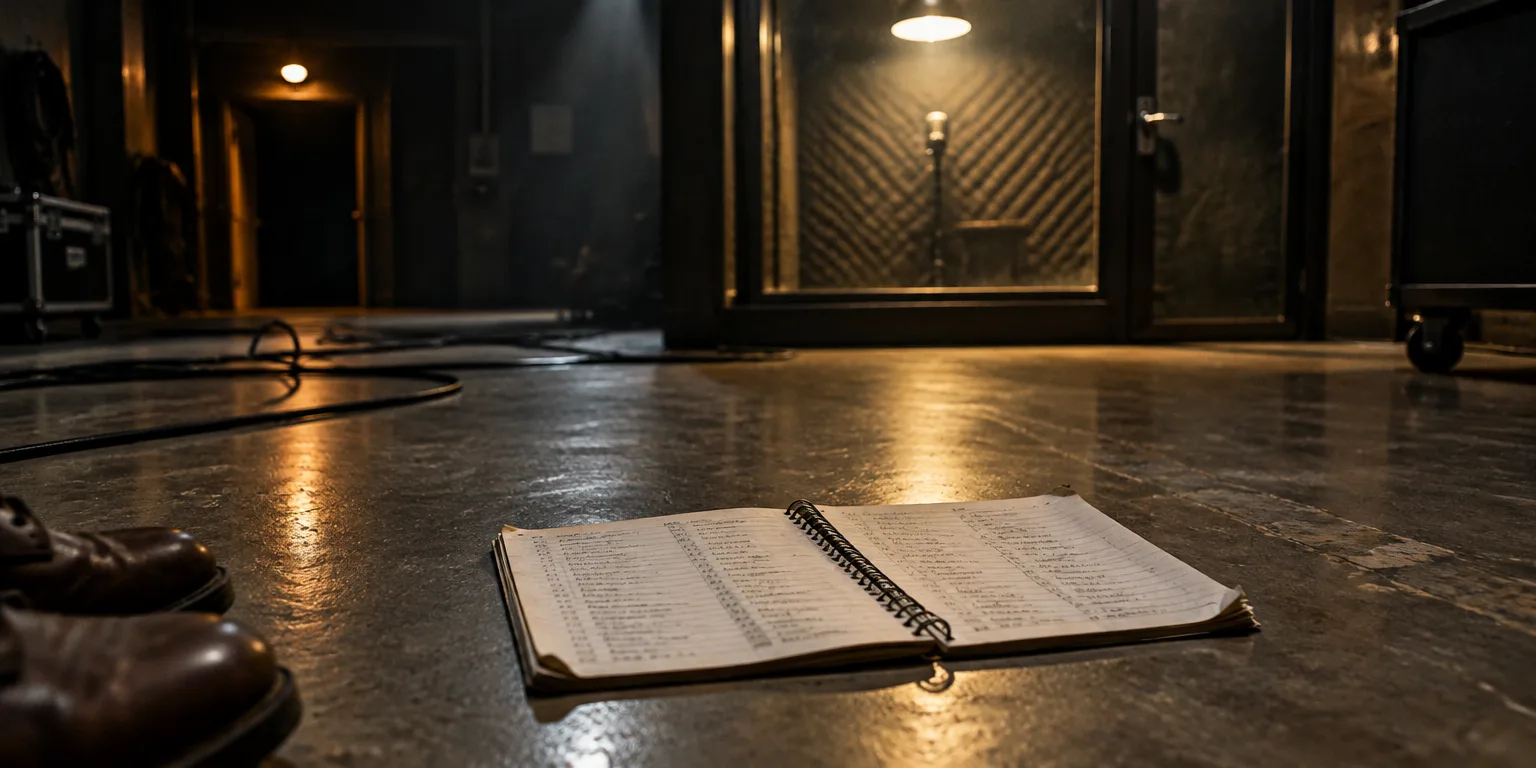
The break came in August 1958. The hit quiz Dotto was suddenly yanked off the air. A man scheduled to appear had found another contestant's notebook backstage, filled with that night's answers to questions she could not have known yet. He leaked it to the papers. Rigging a show was not technically illegal, but viewers felt deceived and federal lawmakers opened an investigation.
At the center was Van Doren. Van Doren said a viewer who had seen him on morning television wrote in a letter, "You must, in order to live with yourself, tell the truth. That's the only way a man can live, is with the truth." He testified, was fired by NBC, and was forced to leave Columbia. He went from celebrated winner to someone remembered chiefly for the scandal.
By autumn 1958, all the rigged shows were off the air. The public was hurt to learn the games were not real. Viewers had believed the most knowledgeable and hardest working person would win. After that, quiz was a dirty word. Producers started calling their programs game shows instead.
Questions people ask
What happened to Charles Van Doren afterward?
He left both television and Columbia and largely withdrew from public life, later working as an editor and writer. For decades he declined most interviews about Twenty-One, so his congressional apology remained the defining public image of him.