America's Greatest Economic Gains Came Between 1870 and 1970
Industrialization eventually left people living longer and richer, but first it brought child labor, poor sanitation, and streets full of horse manure.
 The Ezra Klein Show · Nate Silver Predicts a ‘Momentous’ Midterm
America's largest economic gains came roughly between 1870 and 1970. That is the thesis of economic historian Robert Gordon in his 2016 book "The Rise and Fall of American Growth," as described by forecaster Nate Silver.
Silver said he read the book in Paris, which felt timeless, during a week when news about Iran and artificial intelligence made change feel rapid. That contrast, he said, got him thinking about economic history.
As Silver put it, the optimistic case for AI borrows from the Industrial Revolution. The idea is that the earlier upheaval ended with healthier and richer lives, so the new one will too.
But Silver stressed the harsh start. He described years of poor daily life associated with English writer Charles Dickens, with child labor and homes without indoor plumbing.
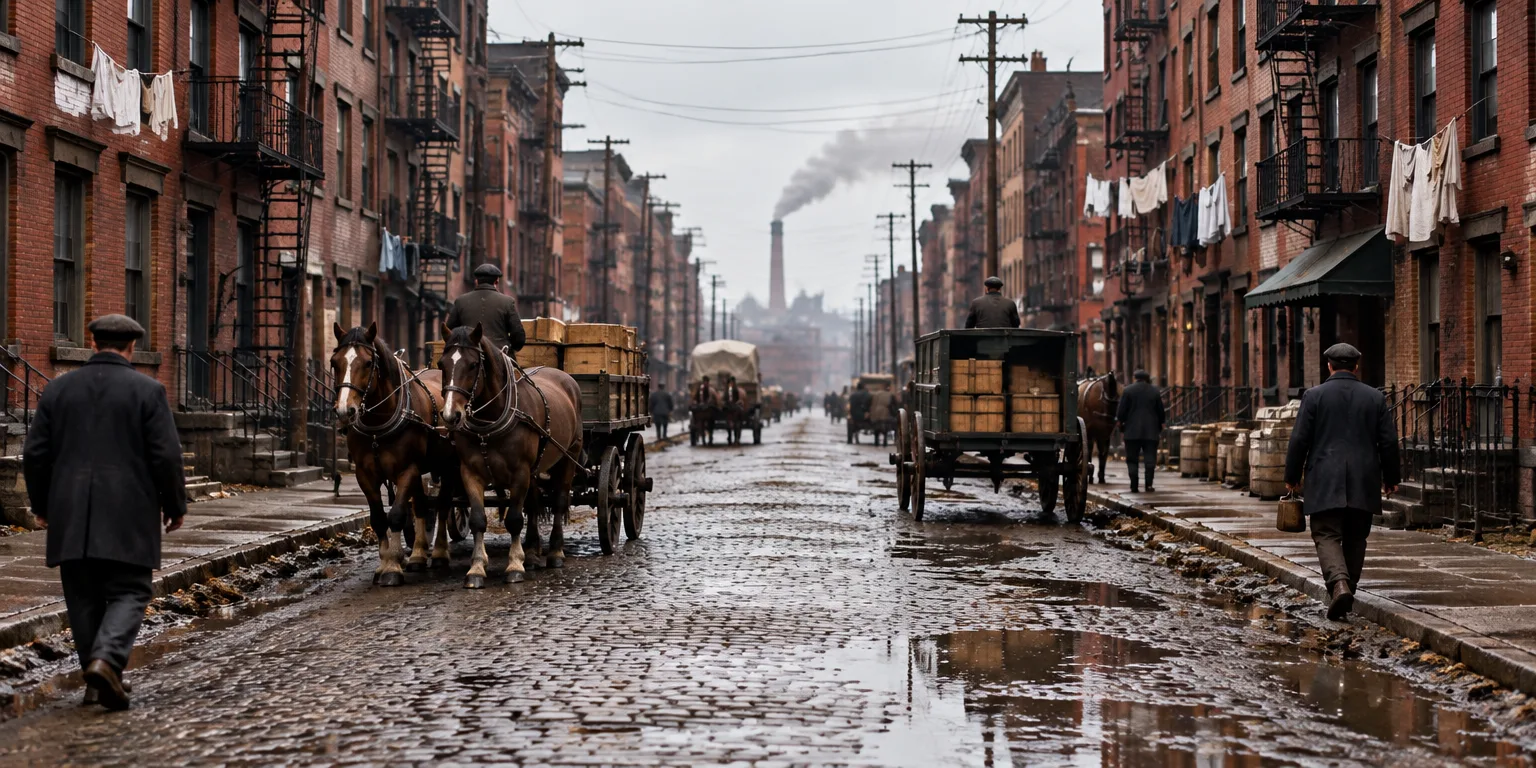
The detail that stayed with him, Silver said, was all the waste left by horses in city streets when horses still moved people and goods.
Silver called the book compelling on big shifts in everyday life that are not well measured by GDP. For context, GDP is a standard gauge of goods and services sold, not of comfort, health, or time saved at home.
The inference for today is cautious. A technology that eventually supports longer and richer lives can still bring a long stretch when ordinary life gets dirtier and harder first.
Questions people ask
What inventions made 1870 to 1970 so special?
Historians usually point to electricity, indoor plumbing, the automobile, the telephone, and modern appliances. Together they changed light, heat, water, transportation, and communication in ways that reshaped almost every household.
Why doesn't economic growth capture that progress very well?
Gross domestic product measures the value of goods and services sold in markets. It captures higher wages and more spending, but it poorly captures cleaner homes, safer work, better health, and time saved by running water or electric light.
How does this history change the comparison between AI and the Industrial Revolution?
It suggests that a good outcome is possible but not quick or painless. AI could eventually raise productivity and incomes while still causing years of disruption, unpleasant work, and difficult living conditions along the way.