America Trades Sturdy Houses for Big Ones
Americans get about 800 square feet per person, versus 390 for Brits, by keeping upfront costs low.
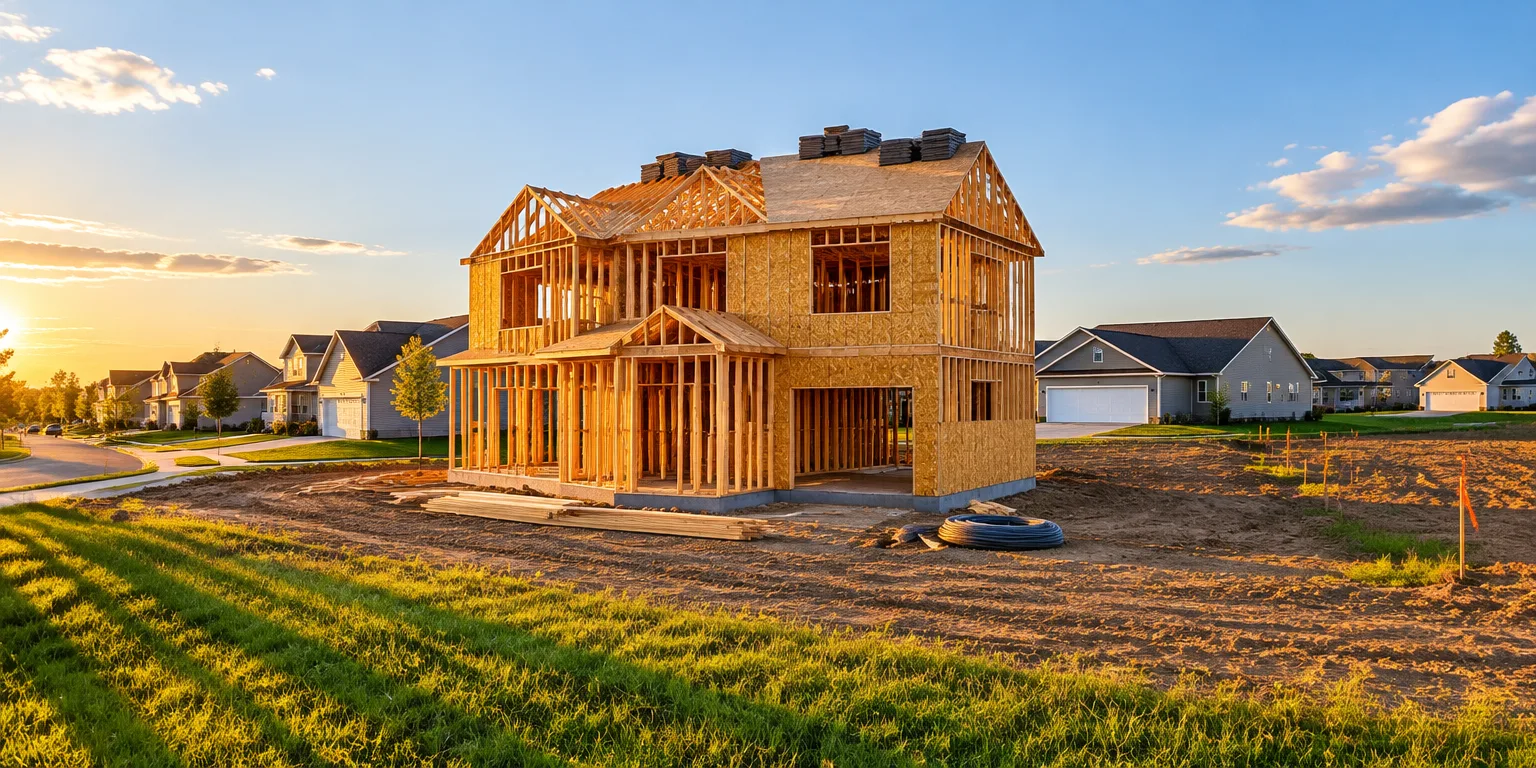
 Wendover Productions · Why American Houses Are So Flimsy
Americans live with about 800 square feet per person, Britons with about 390. It reflects a building system that is remarkably good at holding down what a house costs on the day it is finished, and then directs those efficiency gains into floor area.
The savings start with method. American homebuilding is designed to depend less on highly skilled labor, which keeps initial construction costs low. Measured against incomes, the typical American house costs about five times average annual pay, compared with about 6.5 times in Britain. The tradeoff is durability. American houses tend to need more upkeep and use more energy over time, though most are well suited to their purpose with no fundamental structural problem. Because there is no strong countrywide certification of builders, the potential for sloppy work is greater than in Britain.
The main problem, in this account, is not timber or other inexpensive materials. It is that the country does not use its cost advantage to broaden access. Additional room is a comfort, while shelter is a requirement, and even though the American shortage is less severe than Britain's, it still bears hard where demand is strongest and among younger buyers. Building more modest houses, especially detached houses, could help make ownership more attainable, since construction expense is one driver of home prices. Instead, the system caters best to middle class buyers while it ignores people who need help most. Houses are comparatively flimsy and wear out sooner, in exchange for something many buyers prize: more space.
Questions people ask
Does flimsy mean American homes are unsafe?
No. Most American homes are suited to their purpose and have no fundamental structural problem. Flimsy here means finishes, siding, and roofs that wear out sooner and cost more to maintain, not houses at risk of falling down.
Would building smaller homes solve the affordability crunch?
Only partly. Construction cost is one of many forces behind home prices, alongside land, permits, and interest rates. Smaller houses would lower the construction bill, which could help make ownership more attainable, but they would not by themselves fix shortages in the most sought after places.