American Happiness Did Not Fade Away. It Fell Off a Cliff in 2020.
After decades of drifting sideways, self-reported happiness fell with the pandemic and got stuck, held down because happiness is sticky after shocks, plus social pressure, scary news, and high housing costs.
 Astral Codex Ten · Contra Pritchard On Liberal Happiness
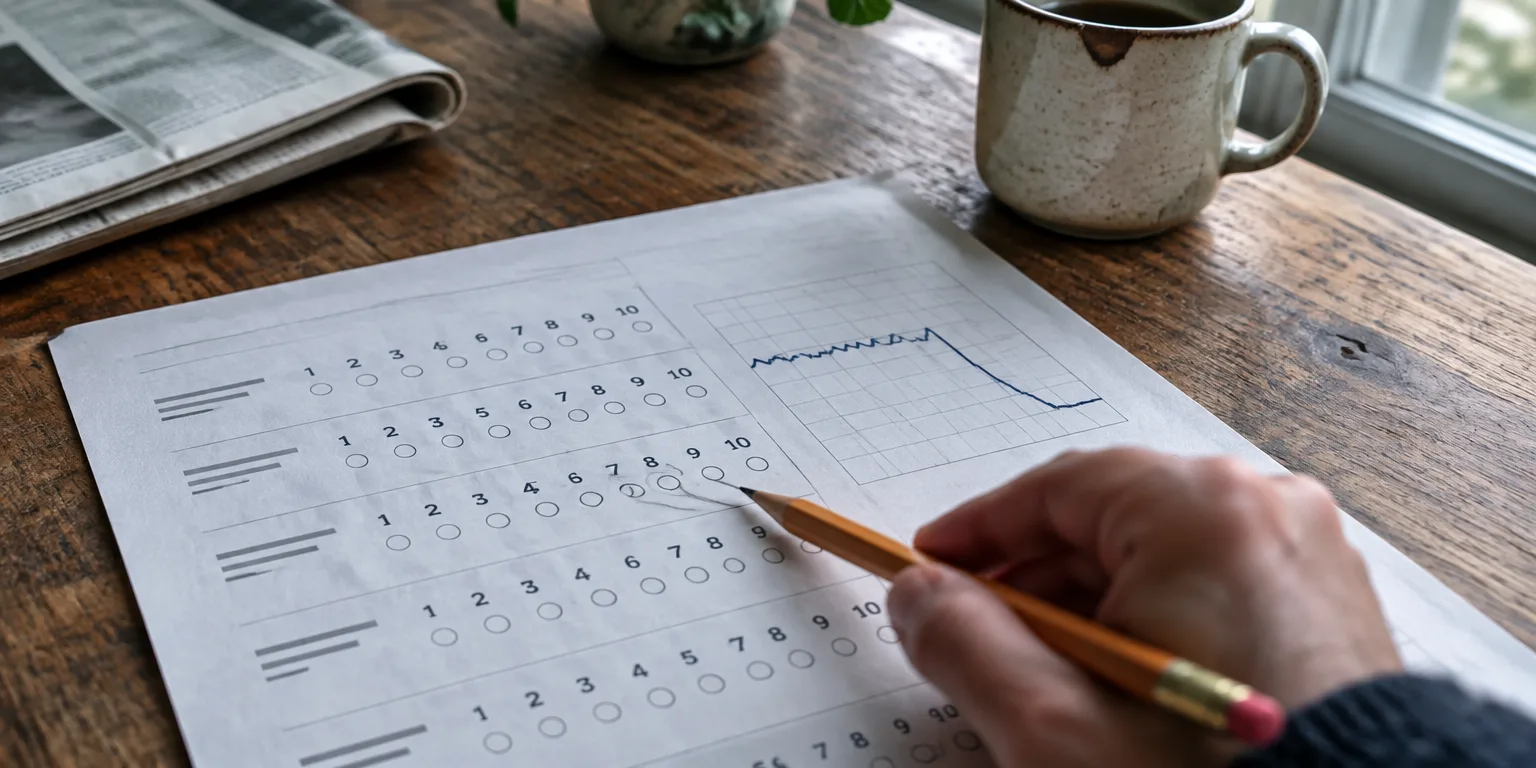
On a 1 to 10 survey scale tracking United States self-reported happiness from 1970 to 2020, the line does not slope gently downward. It wanders up and down with no clear direction for fifty years, then drops sharply around 2020 and stays down.
That timing matters. Americans did not invent their economic system in 2020, so the system alone cannot explain the sudden gloom. The most straightforward cause is the pandemic, and the puzzle is why mood has not bounced back more fully now that the emergency has passed.
Part of the answer is that the earlier gains were smaller than people assume. Rising wealth was expected to lift happiness from about 6 out of 10 in the 1950s to about 6.5 out of 10 today. A half point gap is small enough that culture and circumstance can easily hide it.
Mexico is one case that fits, probably because of culture. With income per person of about $20,000, the standard wealth model predicts happiness of about 6 out of 10. Mexicans in fact report about 7 out of 10, higher than today's Americans, which may be because national culture and other noncash advantages can overwhelm the benefit of extra money.
The post-2020 low has lingered for four reasons. First, happiness is slow to bounce back after a jolt, meaning it moves slowly and takes a long time to recover. Second, people hold back from sounding cheerful in public when the country feels downbeat, and that restraint makes the gloom self sustaining.
Third, news organizations have always had an incentive to scare and outrage people, and competition for clicks from cable, the internet, and smartphones has made that incentive stronger. Fourth, many have fair reason to be upset that housing is unaffordable. The anger is about a shortage of housing, not about wealth or the economy as a whole.
Questions people ask
How do researchers track happiness over so many decades?
They mostly use repeated surveys that ask large, nationally representative samples to rate life satisfaction or happiness on a numbered scale, often 1 to 10. The same wording is asked year after year, so changes reflect shifts in answers rather than shifts in the question.
Why would a bad mood stay stuck after the pandemic ended?
Moods and expectations adjust slowly, and major shocks can reset what people consider normal. If jobs, health, schooling, and social life were disrupted, people may still feel the financial and social aftereffects even when daily life looks normal again.
Why does alarming news attract more attention than good news?
People pay closer attention to potential threats, so fear and outrage are reliable ways to win clicks and viewers. In a crowded market for attention, outlets face strong pressure to emphasize conflict, danger, and crisis over gradual improvement.
Are U.S. homes actually harder to afford than in the past?
Yes, by common measures. Home prices have risen faster than incomes in many metros since the 1970s and 1980s, while mortgage rates, limited construction, and zoning restrictions have added to the strain for first-time buyers.