Americans Did Not See the Film of Kennedy Being Shot for 12 Years
Life magazine owned the famous Zapruder film and printed still photos, but the public never saw it move until a technician who secretly copied it brought it to the studio.
 Who Killed JFK? · The Investigations
Geraldo Rivera looked straight into the camera on his ABC show Good Night America and warned anyone who was sensitive or queasy not to watch. Then the film rolled in 1975, and for the first time the American public watched the moving pictures of President John F. Kennedy being killed.
The audience in the studio gasped at the fatal shot. At home, millions saw a few seconds of shaky color film in which the president's head snapped violently backward. Until that night, Americans had seen only still frames from the film in magazines. They had never watched it move.
That 12 year gap is the point of this story. The clearest record of the assassination had been locked away as a piece of property, and it reached the public only because a young film lab worker had secretly copied it.
The film was shot by accident on Nov. 22, 1963, by Abraham Zapruder, a Dallas dressmaker who had brought his 8-millimeter home movie camera to Dealey Plaza to watch the motorcade. From his perch he captured everything from the cars turning onto Elm Street to the shooting to the limousine speeding away. The Secret Service promised him the film would be used only for the official investigation.
It was developed at a Kodak laboratory in Dallas, where three copies were made. Two went to the Secret Service in Washington, and one was returned to Zapruder. He sold the rights to Life magazine for 150,000 dollars, a fortune at the time. Life printed still pictures in its pages, and investigators used the film, but the public never saw the footage in motion.
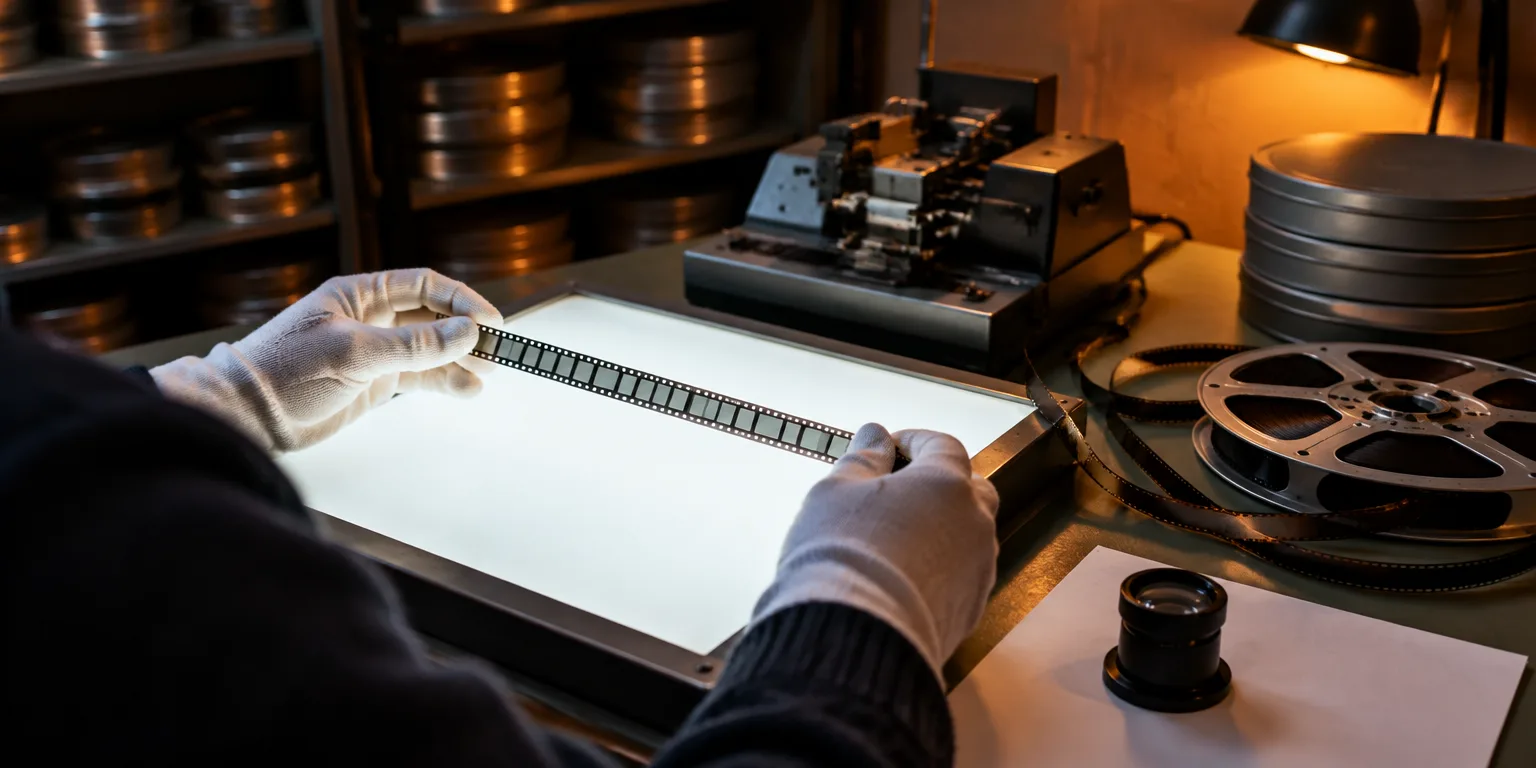
In 1971 the film landed on the desk of Robert Groden, a 26-year-old technician at a film laboratory. Life had hired the lab to blow the grainy 8-millimeter original up to 35-millimeter, professional grade film to test whether it would stay sharp. The images stunned him, so he quietly duplicated the film for himself.
Rivera, introducing the segment, called it "frame for frame, the most valuable historical document of all time." Groden said, "I was scared out of my wits because I wasn't supposed to have the film in the first place." When asked on air if that made him a whistleblower, he agreed that was exactly what he was.
Groden met comedian Dick Gregory, a well known doubter of the official finding that Oswald had been the lone gunman, at a 1975 conference where assassination researchers shared their work. Groden brought his copy to Good Night America. An on-air narrator described the president's head going back and to the left, and Gregory told viewers that movement was completely consistent with a shot from the front, contradicting the official conclusion that all shots came from behind.
Gregory closed the broadcast outraged. He said the American press should have been doing this investigation itself, and demanded that reporters do the research and press to reopen the official report.
Questions people ask
Why did Life keep the moving film from the public?
The source does not give Life's reason, only that Life bought exclusive rights for 150,000 dollars, published still frames, and never shared the moving image. The effect was that Americans knew the photographs but could not judge the sequence, speed, and direction of movement for themselves until 1975.
Did showing the film actually change anything?
Yes. The broadcast created public pressure that helped lead Congress to reopen the case in 1976 with the House Select Committee on Assassinations. That committee concluded in 1979 that Kennedy was probably assassinated as a result of a conspiracy, though it could not identify the other gunman.
What happened to Robert Groden afterward?
Groden became a well known assassination researcher and photographic consultant, and the House committee hired him as a photographic adviser. He spent decades lecturing, writing, and preserving assassination imagery. The original Zapruder film was later held as part of the official assassination records.