Americans spent more than $17 billion on cat food last year
Pet owners cut their own budgets first, and companies are betting that loyalty will pay for foods built for middle-aged cats.
 The Headlines · A Wall Street Record, and Why India Cut 130 Million Names From Its Voter Roll
Last year Americans spent more than $17 billion on cat food, up more than 10% from a couple of years ago.
The spending has held up even as inflation climbs and household budgets stretch. Studies have found that people cut their own spending before cutting spending on their pets, and pet food makers are betting that loyalty will continue by pouring money into research on what cats and dogs actually want to eat.
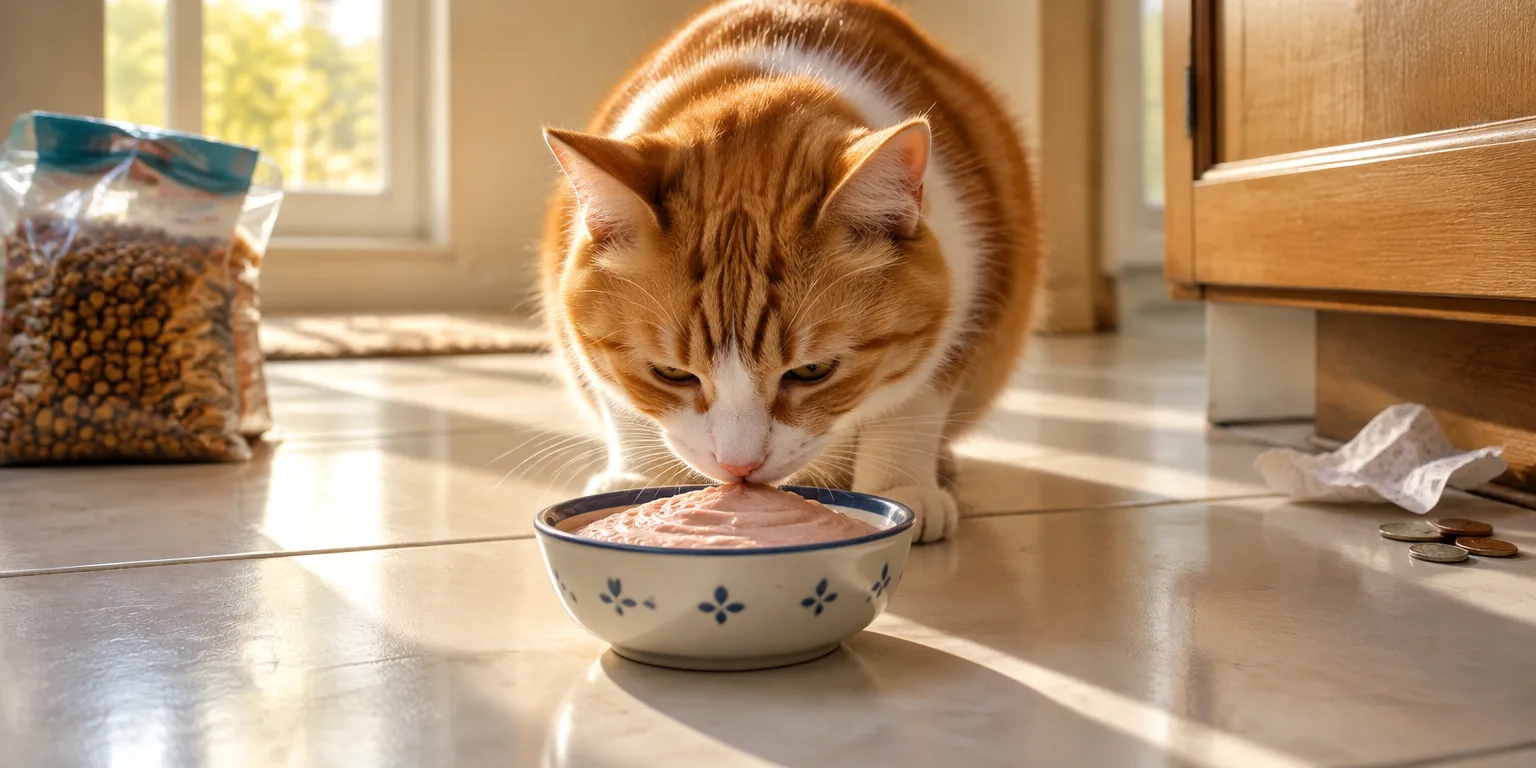
Part of the bet is demographic. Many pets brought home during the pandemic are now entering middle age, so makers are adding foods meant for older animals, including a very soft mousse that is gentle on the teeth of older cats.
Questions people ask
Why would an older cat need mousse instead of regular food?
Older cats often develop dental disease, tooth loss, and sore gums that make crunchy kibble painful to chew. A very soft, smooth mousse takes little chewing and is also easier to smell and lap up, which helps cats with weaker senses of smell and smaller appetites keep eating enough.
Are pandemic-adopted pets really middle-aged already?
They are approaching it. A cat or small dog adopted as a kitten or puppy in 2020 would now be about five or six years old. Pandemic pets are getting into middle age, so brands are starting to market food for aging pets.
How do companies figure out what cats actually like?
They run taste tests with resident animals. One company keeps almost 400 cats and dogs on a campus in France, offering different textures and flavors side by side and measuring which bowl gets eaten more. Staff also watch behavior after meals, such as whether animals seem lethargic or playful.