Americans Think Ultra-Processed Food Is 16% of Their Diet. It Is 53%.
Only 9% of people can correctly identify which foods even count.
 HEALTH TALK AMERICA · Diabetes, Decoded: The Mystery of the Type 2 That Wasn't
Americans guess that ultra-processed foods, the packaged factory-made products with additives and ingredients you would not cook with at home, make up about 16% of their diets. Data from the Centers for Disease Control and Prevention puts the real share near 53%.
That gap was cited by health commentator Dr. Adam Brockman, comparing a survey estimate with CDC data. On average, Americans eat about three times as much ultra-processed food as they estimate.
Only 9% of respondents correctly identified which foods count as ultra-processed.
Brockman disclosed that "this analysis was commissioned by a food company as part of a national campaign." That does not make the numbers wrong.
Questions people ask
What exactly counts as ultra-processed food?
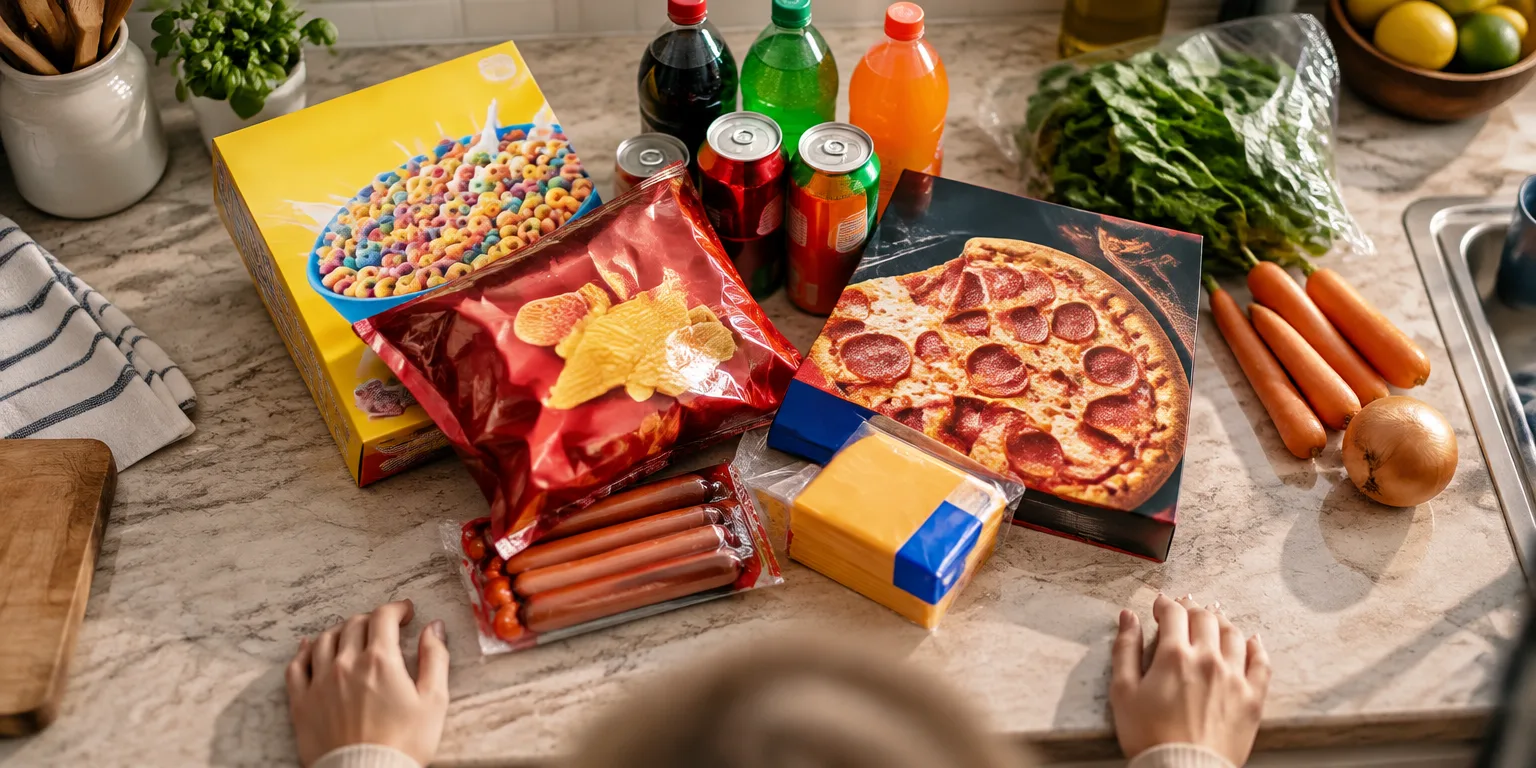
Generally, foods made in factories with ingredients you would not find in a home kitchen, such as protein isolates, hydrogenated oils, high fructose corn syrup, flavor enhancers, colors, and emulsifiers. Sodas, packaged snacks, frozen pizza, hot dogs, and many breakfast cereals are classic examples.
How do researchers know Americans eat that much of it?
Researchers usually use diet surveys and 24-hour recalls, then classify every reported item under the Nova system, which sorts foods by level of processing. The CDC's nutrition surveys provide the intake data that produce the roughly 53% estimate for Americans.