Americans Turned the Parlor for the Dead Into the Living Room
Many churches also stopped talking about death, even though resurrection makes no sense without it.
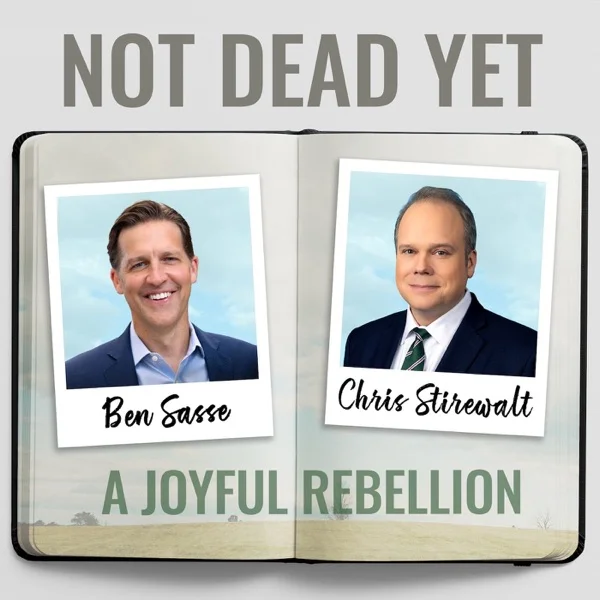 Not Dead Yet · David Zahl | NOT DEAD YET with Ben Sasse and Chris Stirewalt
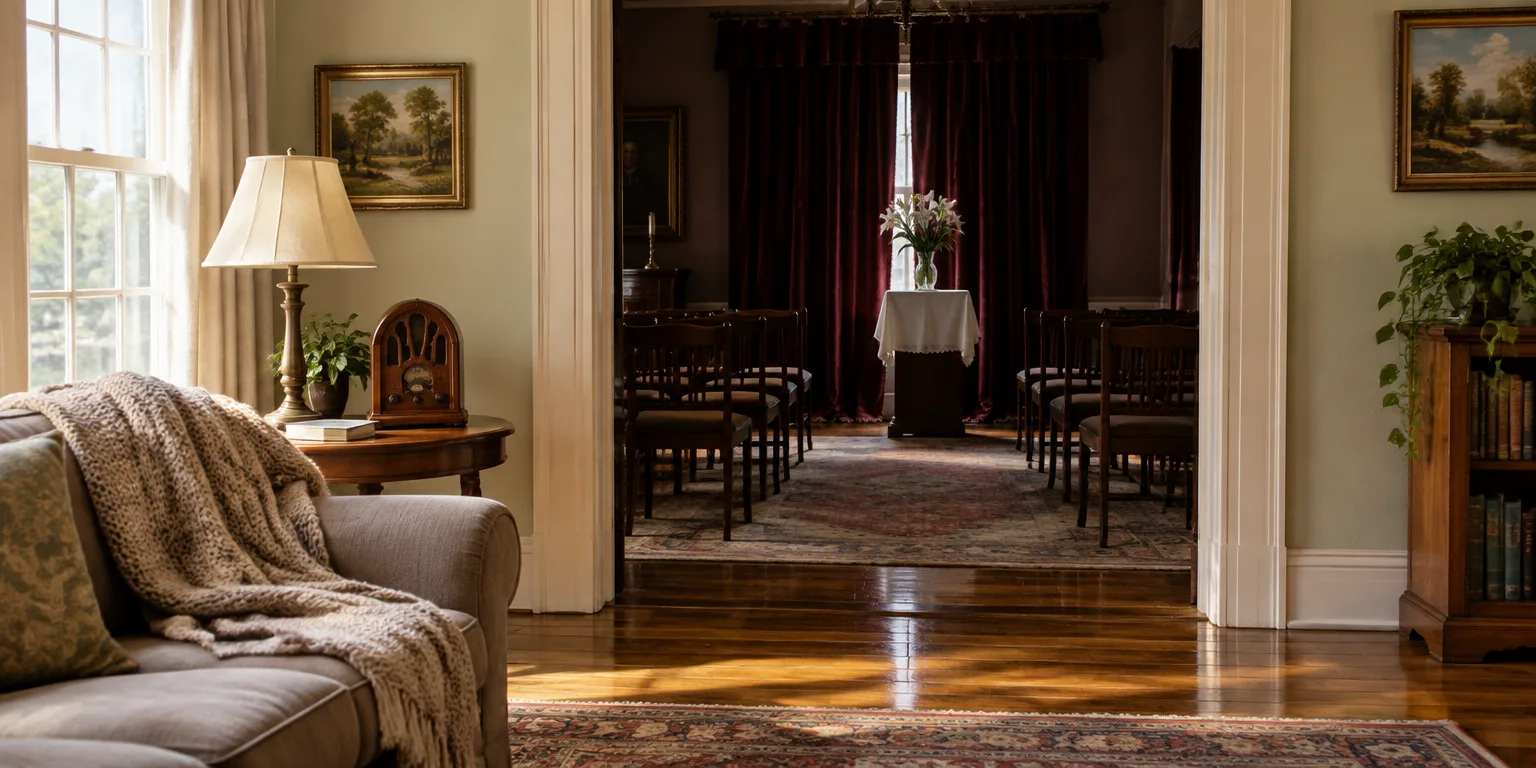
Your living room used to be called the parlor, the room where families laid out the bodies of dead loved ones for viewing. A guest whose older brother was an Episcopal rector calls the switch to living room "a pathological aversion to the terminal diagnosis that we all share."
Ben Sasse says many Christian churches made a similar move. After pushback against a 1990s message focused only on getting into heaven, he says, talk of death and eternal life faded, even though the claim that the dead will be raised makes no sense without death.
Sasse says talking about death "is a way of evening the playing field" because it lifts the discussion out of "cultural war stuff" to deeper questions. The guest says walking through headstones to get to church feels different, and says, "I'm going to definitely go back to calling it the parlor."
Questions people ask
Did families really keep dead bodies in the house?
Yes. Before funeral homes became common in the early 1900s, families typically washed and dressed the body at home and laid it out in the parlor, the most formal room, for neighbors to pay respects. The shift to funeral parlors and then funeral homes moved that work out of the house.
When did living room replace parlor?
Historians date the change to the early 20th century. As undertakers professionalized and magazines promoted modern homemaking, architectural plans and etiquette guides replaced parlor with living room around the 1910s and 1920s. The new name signaled a room for the living, for radios, sofas, and company.
Why would churches avoid talking about death?
Sasse argues it was an overcorrection. After criticism that 1990s Christianity was only about getting to heaven, many churches emphasized ethics, neighbor love, and life in the present. That message was worthy, he says, but it left little room to talk about heaven, funerals, and what comes after death.