An Engineer Says Challenger Launched Because Engineers Had to Prove It Was Unsafe
A young engineer who warned about cold O-rings says the burden of proof flipped the night before launch, and he never got a vote.
 Throughline · Forty years of what if
It was late on the night before the Challenger launch, and Brian Russell was walking out to the parking lot. Russell was a young engineer at Morton Thiokol, the company hired by NASA to build the shuttle's rockets, and part of a team responsible for rubber seals called O-rings that keep hot gas from burning through the rocket casing. He stopped his senior colleague, Roger Boisjoly, in the hallway.
Then Russell said the line he still uses to explain what went wrong. "In every other argument that we had had with NASA, justifications that we made, we had to prove the launch was safe, and in that phone call, we had to prove that it was unsafe."
What Russell meant was that the burden of proof had flipped in a single evening. That day, after forecasts predicted very low overnight temperatures, his boss had come to his cubicle to ask about concerns, and Russell had immediately named the O-rings, which lost their rubbery give and turned hard in the cold. The engineers recommended "not launching with an O-ring temperature below 53 degrees Fahrenheit," Russell says, a request they had never made before, and one that could cost the company millions if its hardware held up the flight.
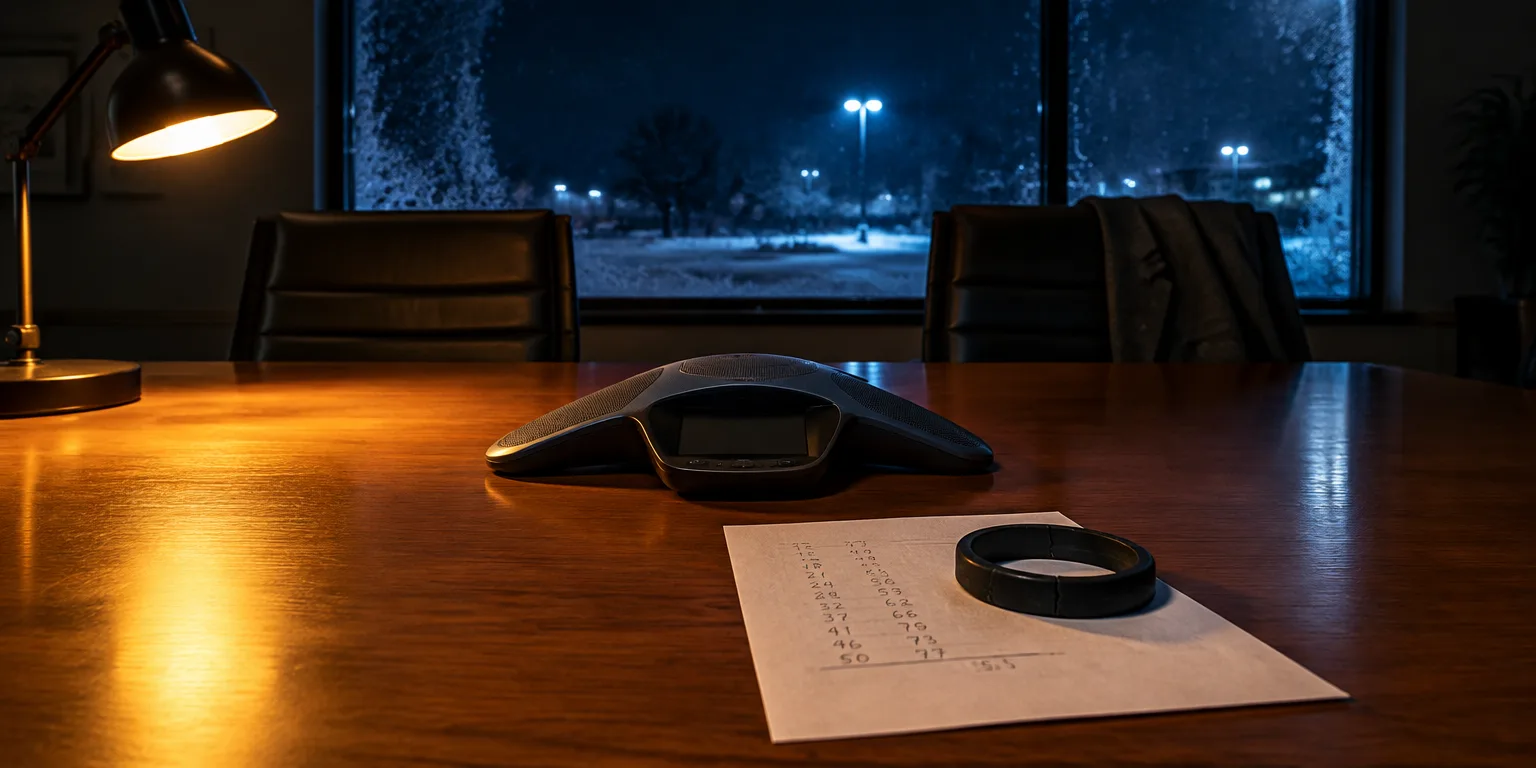
The NASA program manager pushed back hard, asking, "My Thiokol, when do you expect me to launch, next April?" Russell says he realized then that the tables were turning. Thiokol asked for a five minute private caucus, with NASA waiting on a muted phone line, and the discussion stretched to 35 minutes.
Inside that room, Russell argues, proving danger became almost impossible. The general manager was in favor of launching, while Boisjoly and fellow engineer Arnie Thompson "stood at the head of the table," Russell recalls, pointing at charts and photos to argue for delay, until the general manager said, "We've plowed this ground already." He then polled only senior leaders, and when the vice president of engineering hesitated, told him to "take off your engineering hat and put on your management hat." Russell agreed he was among the most junior staff present and never got a vote, and then, as the junior man, typed up the final chart agreeing to launch. "I wish I'd have just walked away," he says.
Questions people ask
Why did cold weather threaten the O-rings?
O-rings are flexible rubber gaskets that must expand quickly to seal joints when ignition pressure hits. In cold weather, rubber stiffens and responds more slowly, so hot combustion gas can slip past and erode or burn through the metal casing.
What did 'take off your engineering hat' mean?
Russell says people in the room heard it two ways. Some colleagues thought the general manager was telling the engineering vice president to set aside engineering concerns and go along with management. Russell himself thought it meant that, as chief engineer, the vice president had to stop debating and make a decision.
Could NASA have launched over a contractor's objection?
Russell believes it would not have. He says that if Thiokol had come back off mute and maintained its objection to launching, NASA would not have overruled them. That is why he still dwells on the decision to reverse the recommendation.