An Engineer Warned That Cold Could Doom Challenger. He Was Overruled.
Roger Boisjoly warned that cold made the booster seals stiff and likely to fail, but after NASA objected his company reversed its no-go call.
 Curiosity Chronicle · How to Avoid Catastrophe: The Normalization of Deviance
The call on the night of January 27, 1986, was supposed to be routine. Managers from NASA were on the phone with its subcontractors, the smaller companies that built parts of the space shuttle, to collect the required final signoffs for a launch the next morning. As soon as it began, Roger Boisjoly, a mechanical engineer at the contractor Morton Thiokol, spoke up with a warning.
Half a year before, in the summer of 1985, Boisjoly had sent a warning note to his bosses about a possible catastrophe. After inspecting one of the shuttle's solid rocket boosters, the giant side rockets that help lift the shuttle, he studied the seal between two of its sections. That seal depended on two small, circular rubber bands called O-rings. One had stopped working entirely and the other was harmed. If the second ring had also given way, he believed the result would have been an explosion.
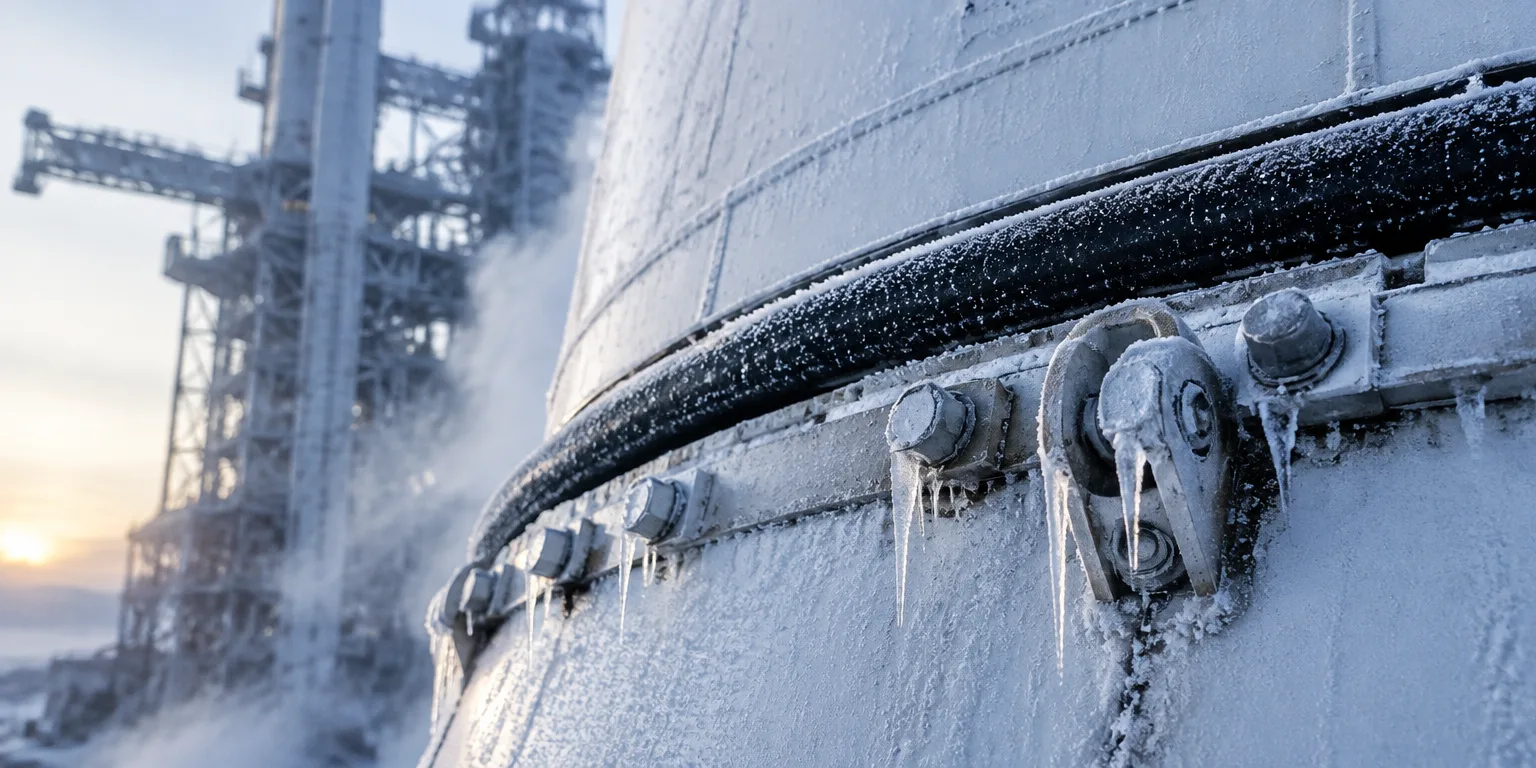
His warning was plain: cold made the rubber stiff and unyielding and more likely to fail. His memo had been largely ignored and his later efforts to raise the alarm had run into bureaucratic walls, leaving him with one last chance 16 hours before launch with temperatures expected to fall below freezing overnight.
He laid out his data in vivid detail, and at first it worked. Joe Kilminster, a vice president at Thiokol, said he was recommending against the launch because of the cold and the risk to the O-rings. Then NASA leaders pushed back. The flight had already been postponed on five occasions, they said, and there was no definitive proof that the seals would fail.
Under pressure, the Thiokol team reversed itself and approved the flight. At 11:38 a.m. the next morning, with the air at a record low of 36 degrees, Challenger rose from Kennedy Space Center in Florida as millions of people watched live. Just 73 seconds into the flight, it exploded and broke apart, killing all seven people aboard. Boisjoly had been right. The O-rings had turned to ash, leaving a faulty seal that set off a catastrophic chain reaction.
Questions people ask
Who were the seven astronauts killed aboard Challenger?
They were commander Francis Scobee, pilot Michael Smith, mission specialists Ronald McNair, Ellison Onizuka, and Judith Resnik, plus payload specialist Gregory Jarvis and teacher Christa McAuliffe. McAuliffe, a New Hampshire high school teacher, had been selected for NASA's Teacher in Space program. Resnik was one of NASA's first women astronauts.
What happened to Roger Boisjoly after the disaster?
In his own later accounts, Boisjoly said he testified before the presidential commission about his pre-launch warnings and felt shunned at Thiokol afterward. He later left the company and became known for speaking about engineering ethics.