An investor left a guru’s house to find his CEO fired, then stayed in his hotel for 72 hours to reverse it
Thrive Capital had $700 million on the line at OpenAI, and its five-day fight to bring back Sam Altman turned on an employee stock sale.
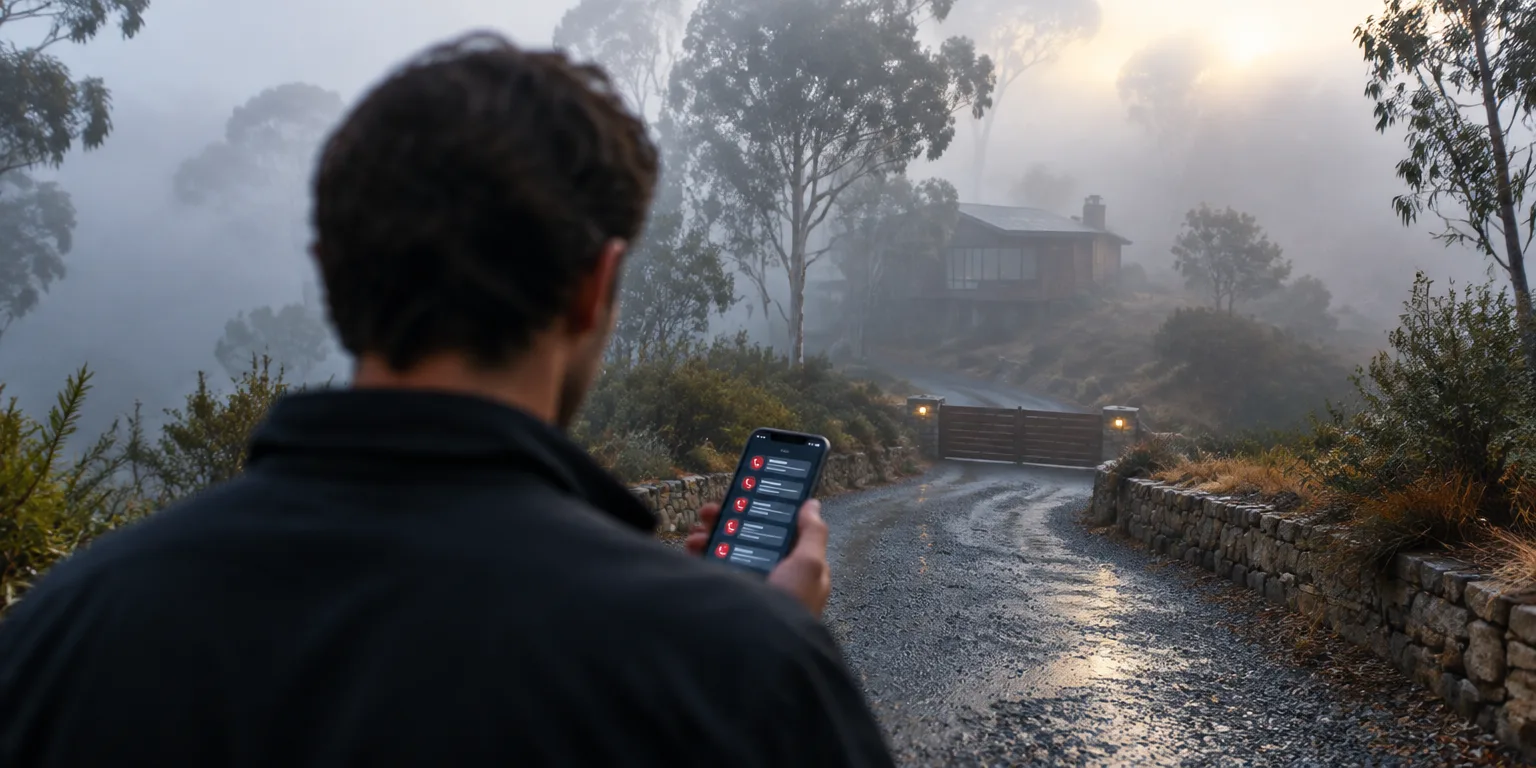
Joshua Kushner walked down the driveway from Rick Rubin’s Malibu house, glanced at his phone, and felt the morning tilt.
Kushner, the 38-year-old founder of Thrive Capital, a New York investment firm, had spent the foggy Friday morning of November 17, 2023, asking Rubin, the bearded music figure sought out by Johnny Cash, Metallica, and Jay-Z, about intuition and self-doubt. Rubin’s counsel was to just be himself and not shape choices around what the world wants. When he emerged, Kushner said he “had a missed call from Sam Altman,” the chief executive of OpenAI, and about 20 more from senior colleagues Kelly Sims and Vince Hankes. While he had been with Rubin, Altman had been fired.
“And so we just immediately went to war,” Kushner said.
By that fall, Thrive’s total backing of OpenAI stood at roughly $700 million, including a plan to supply most of a $500 million purchase of workers’ shares. The firing threatened not only that money, but the company itself.
Kushner went back to his hotel and kept a video link with Thrive partners open day and night across five days. The effort started on his weekly day of rest, a workday colleagues said they had never seen from him before.
Altman said Kushner “put his entire life on hold.”
“He didn’t leave his hotel room for 72 hours,” Altman said. “He just worked non-stop, very strategically, very effectively, to get things back on the rails.”
Thrive quickly concluded that the board’s stated reason for the firing, that Altman had not been consistently candid, was baseless. In the firm’s review, the directors had no plan for what would happen the morning after, not even a script for bewildered employees, and it appeared they were trying to sell OpenAI to rival Anthropic.
Thrive’s leverage was practical as much as moral. The employee stock sale gave hundreds of workers their first chance at cashing out, and the chaos put it in jeopardy. Without it, employees might revolt and leave. Thrive reportedly pressed the board through its connections at Microsoft, through other investors, through press coverage, and by readying court claims meant to stop the directors from taking further steps.
On November 22, five days after Kushner checked his phone in Rubin’s driveway, Altman and his co-founder Greg Brockman were reinstated and the board was restructured. The advice about staying true to himself had lasted about as long as the drive down the hill.
Questions people ask
Why did a nonprofit board control a for-profit company like OpenAI?
OpenAI began as a nonprofit research lab with a mission to build safe artificial intelligence for humanity. To raise money, it created a capped-profit company controlled by a nonprofit board, meaning directors could legally put safety and mission ahead of investor returns, an unusual structure that helped trigger the clash.
What was the employee tender offer and why did it matter so much?
Thrive planned to provide most of a $500 million purchase of shares held by OpenAI staff. In startups, workers often wait years to sell, so blocking that payout gave staff a powerful reason to protest, and gave Thrive leverage because the board needed employees to stay to keep building the technology.
Where did Microsoft fit into the fight?
Microsoft had invested $1 billion in 2019 and later about $10 billion, with special rights to OpenAI technology and revenue sharing. That made Microsoft the most powerful outside partner, and Thrive reportedly worked its Microsoft connections to pressure the board, even as Microsoft was reportedly in favor of Altman building a competing AI lab under its auspices.