An Investor Says Data Centers Lower Power Bills and Lift Blue-Collar Pay
Gavin Baker says behind-the-meter deals cut local rates while developers fund schools and fire stations.
 Invest Like the Best with Patrick O'Shaughnessy · Why the Markets Are Pricing AI Wrong | Gavin Baker
Asked what still scares him about the artificial intelligence boom, Gavin Baker, an investor who watches AI stocks, did not point to chips or models. He pointed to politics.
“I think regulatory has to be the biggest risk,” Baker said. His exhibit was New York’s move toward a data center moratorium, which he reads as a sign “we’re living in this weird post-factual, post-logical political world.”
In Washington, he said, the narrative among many ordinary Americans is that data centers will raise electricity prices, take water, and take jobs. He said the AI industry “has done a terrible job of PR,” though he added that “it at least realizes that now.”
Baker argues the local effects look different from that narrative. “Data centers are in a lot of ways the best thing to happen for blue-collar wages in my lifetime,” he said.
On power, he said electricity prices generally go down for neighbors when a new center arrives, because of what he called “behind the meter deals.” In plain terms, those are deals in which the data center pays for its own new power.
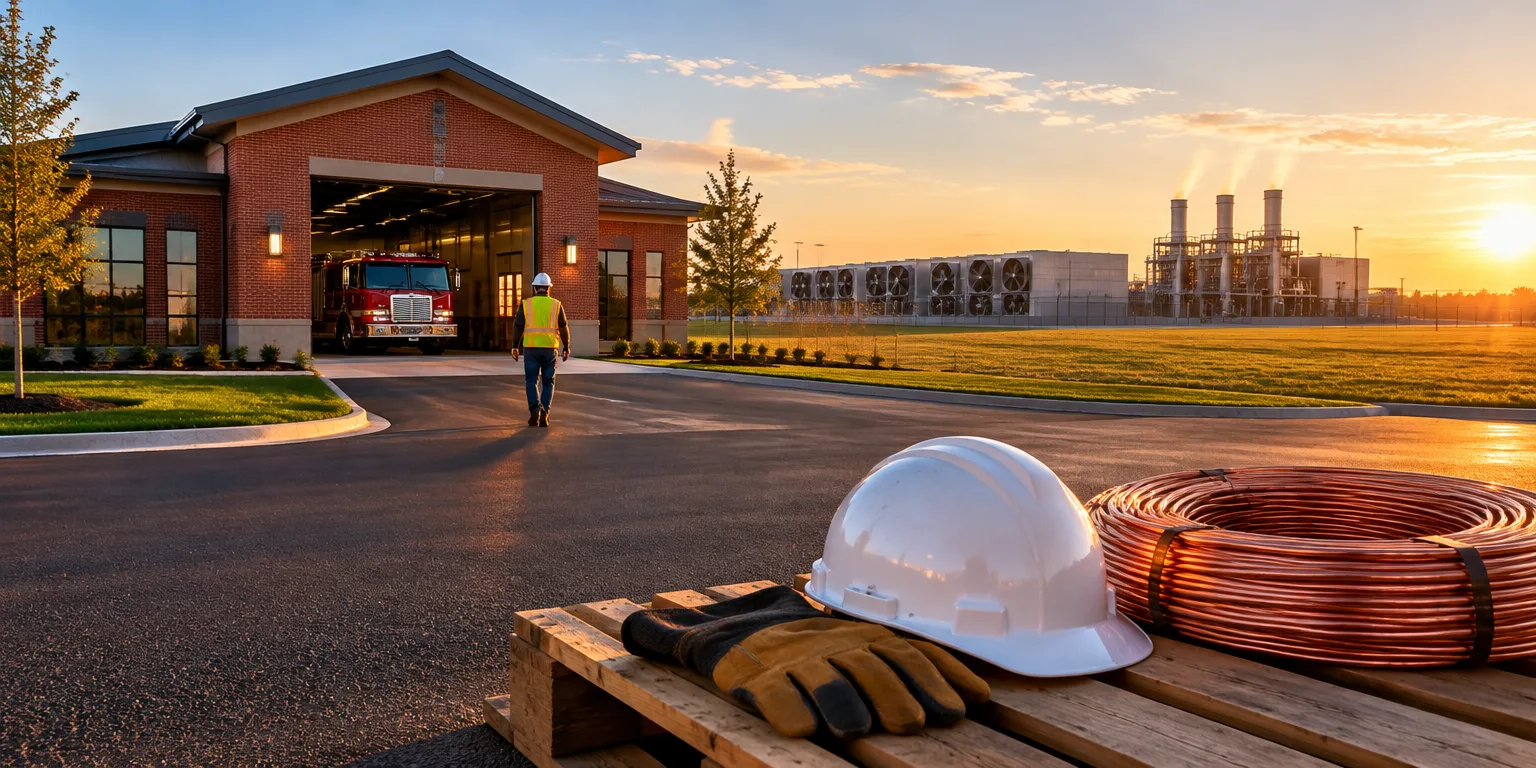
On community deals, he said developers once won approval by buying trucks or gear for police and fire departments. Now the ask is larger, a shift he linked to the data center pledge that President Trump asked companies to sign. The offer, as Baker put it, is: “we’re going to build you a hospital, a school, a new police station, and a fire station.” He said developers also promise to lower power bills.
On work, he said “the jobs are ongoing” because centers need plumbers, electricians, and heating and air conditioning contractors.
He called it wild that Democrats, who he said ostensibly represent blue-collar workers, oppose the centers. He warned that unless the industry tells its own story, the political backlash will keep growing.
Questions people ask
What is a behind-the-meter deal?
Behind the meter means power equipment on the customer's side of the utility meter. A data center developer typically pays for new generation, such as gas turbines or solar plus batteries, and for grid upgrades, and then sells excess power back or relieves strain on the local grid. Done well, that can hold down rates for nearby homes.
Do data centers really drain local water supplies?
Most large data centers now use closed-loop cooling, where the same water is recirculated, and many use air cooling for parts of the load. They do use water, especially in hot places and during construction, but researchers say the per-query figures that went viral overstated typical use by orders of magnitude.
What is New York's data center moratorium?
State lawmakers proposed pausing new large data center permits over worries about electricity prices, water, and noise. Baker cited it as his prime example of regulation becoming the biggest risk to AI, because local opposition can delay the power hookups that determine how fast computing capacity grows.