An Iranian poet wrote her memoir on tissue paper and smuggled it out in dress hems
She hid the pages in her bra, slept on them to press them flat, and relied on cellmates to carry them out a little at a time.
 Global News Podcast · US and European websites go offline over security concerns
Mahvash Sabet was an Iranian poet held in an Iranian prison. If she was lucky, she found a pen. Then she looked for paper.
She wrote on slivers of tissue paper and on the margins of newspapers, the kind that end up in prison toilets. She scribbled her prison memoir on scraps most people would throw away.
Then came the second fear, hiding what she had written. Sabet tucked the scraps into her clothes, into her bra, and slept on them at night to press them flat. That is how she kept the scraps hidden.
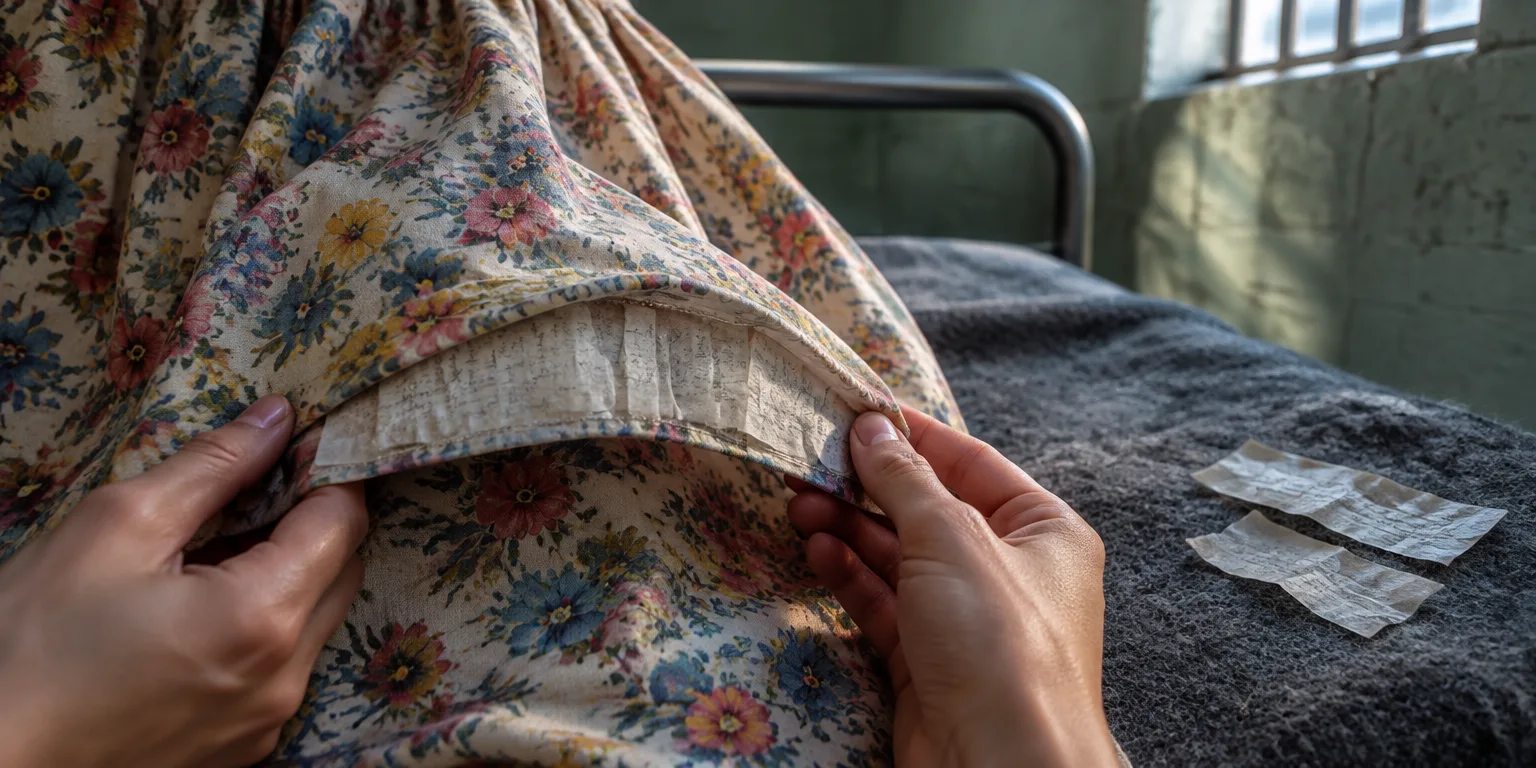
The scraps became a book over her imprisonment. The problem was getting it out. After Sabet left solitary confinement, her cellmates took the risk for her. They stuffed the scraps into the hems of their dresses and coats and carried them out of prison, a little at a time, across seven years. After her release in 2017, she turned those fragments into her memoir.
Sabet is a Baha'i, a member of a religious minority that began in Iran in the 19th century and preaches equality between men and women, religious tolerance, and democratic governance. Successive Iranian governments have branded Baha'is as spies, first for Russia, then for Britain, then for America, and most recently for Israel, according to Bahia Nakjavani, the translator of Sabet's memoir.
Nakjavani says the real reason is closer to home. Iranian leaders do not want to admit that ideas about equality and democracy come from inside Iran itself, so the community is treated as a threat.
Sabet had served as secretary of a group appointed to care for Baha'is after their elected institutions were disbanded following the Islamic Revolution. Because Baha'is were denied jobs, schooling, and even burial plots, the group handled basic needs, including funerals.
Nakjavani describes the resulting memoir as grim and honest about suffering, but says Sabet manages to keep her equilibrium, her humor, and her decency in what Nakjavani calls a dark, Kafkaesque world.
The scraps are now a finished book, but Sabet is not free. She remains serving her sentence, with release not due until 2032, and is on medical furlough after open heart surgery, a furlough that Nakjavani calls a form of extended psychological torture because Sabet can be ordered back at any moment.
Two days before Nakjavani spoke, Sabet was summoned back. Her husband warned that she would die if returned.
Questions people ask
What do Baha'is believe, and why does Iran restrict them?
The Baha'i faith began in 19th-century Iran and teaches the unity of humanity, the equality of women and men, and the value of education and democratic decision-making. Iran's government does not recognize it as a religion, and Baha'is there have long faced bans on university study, government jobs, and burial rights, as well as arrest.
Is writing on scraps common for prisoners?
Yes. When pens and paper are banned or scarce, prisoners in many countries have written on toilet paper, cigarette papers, soap wrappers, and clothing. The writing is then memorized, hidden on the body, or passed to visitors and released prisoners, much as Sabet's cellmates carried her pages in their hems.
What does medical furlough mean in a case like this?
Temporary medical release lets a seriously ill prisoner have surgery or treatment outside, but the sentence remains in force. The person stays under supervision and can be recalled, which leaves families uncertain about when, or whether, the prisoner must return.