An oilman bought 58 unrelated businesses to survive, then sold almost all of them
Raymond Plank let small owners keep running their companies, then walked away from diversification when drilling came back.
 Founders · How Raymond Plank Made a Fortune in Big Oil's Scraps
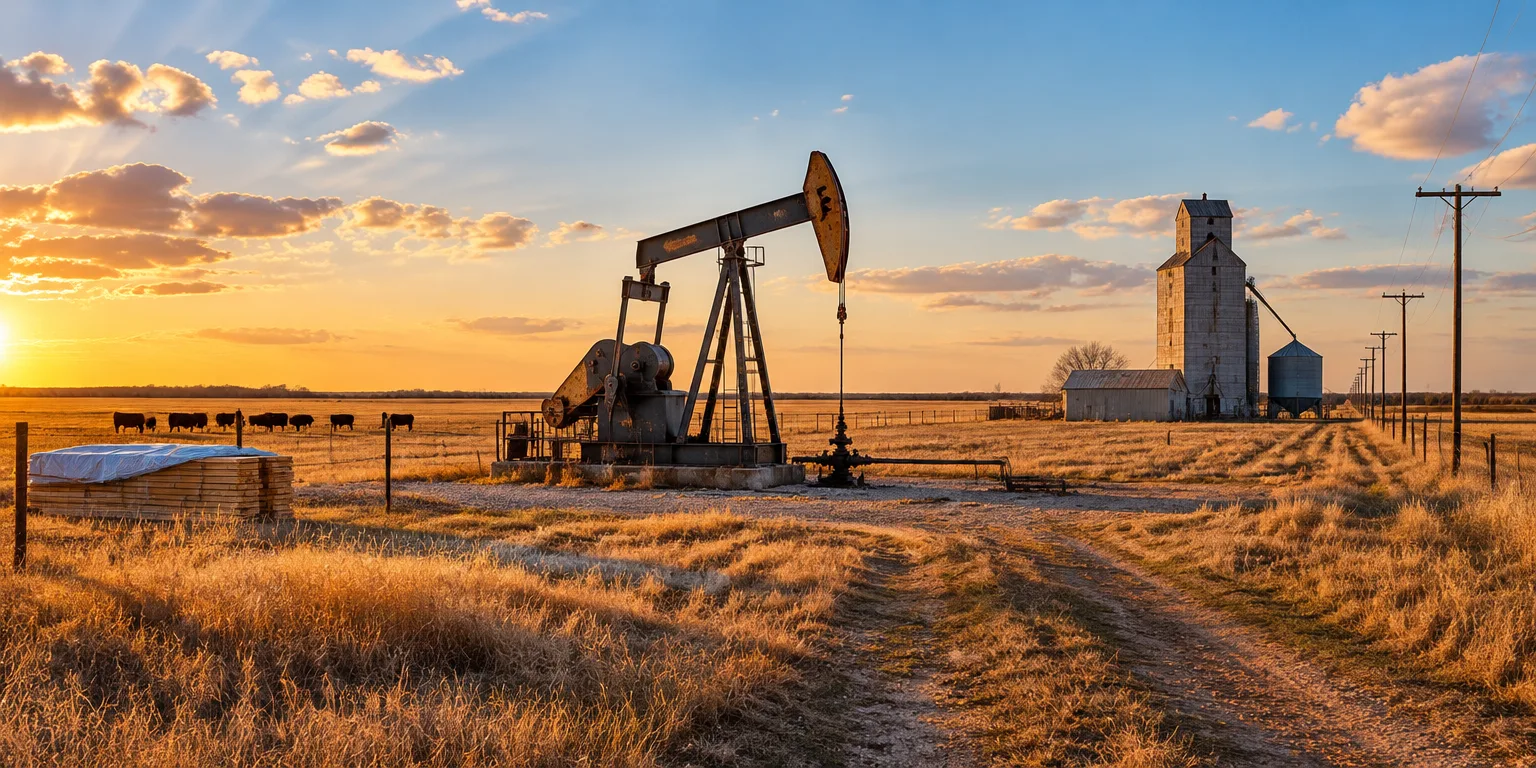
In the late 1950s, Raymond Plank, who had founded the oil company Apache Corporation in 1954, watched his business shrink almost overnight. Regulators in Oklahoma and Texas, which set limits on how much oil a well was allowed to pump, cut those limits by as much as 90 percent. Plank said Apache's revenues fell by the same amount.
Plank decided to buy his way out of trouble. Because Apache was already public, his offensive strategy was to acquire growing, entrepreneur run businesses "in exchange for shares of our stock." The new revenues, he reasoned, would bridge the gap until drilling recovered.
Over the next decade or so, that shopping trip reached 58 businesses, and almost none of them involved oil. Apache wound up owning operations ranging from farming and lumber to phone service, plastics, steel, auto parts, ranching, and utilities.
The surprise was that he reversed course. In the 1970s, he set a long range target of turning his mini conglomerate back into a company focused only on oil and gas. When drilling prospects got better, he sold virtually everything and refocused Apache on energy alone.
While he owned them, Plank tried to avoid what he saw as the big mistake of the 1960s conglomerates. Plank wrote that buyers too often "superimposed large company practices and corporate overheads on frustrated former owners accustomed to successfully running their own operations." Apache kept control of major spending decisions on capital, and otherwise left those owners to run their own companies.
The buying lasted about 10 years. Then Plank read the change in conditions and moved the other way, unwinding the diversification he had built to survive the downturn.
He did not cling to past choices. When conditions changed, he changed with them. The land Apache bought between 1970 and 1977 was still producing value decades later, the subject of a 2011 report on wells in that land.
Questions people ask
Why would states tell oil companies to pump less oil?
States like Texas and Oklahoma limited production to prevent wild price swings and waste. When wells pumped without restraint, oil flooded the market, prices crashed, and pressure in underground reservoirs was damaged, reducing how much could ultimately be recovered.
What happened to Apache after it went back to oil?
Apache became one of the largest independent oil and gas companies in the United States, growing from its $250,000 start in 1954 to a company worth about $50 billion by 2008. It did so largely by buying older, overlooked fields from major oil companies and squeezing more oil from them.
What is a conglomerate, and why were they popular then?
A conglomerate is one company that owns unrelated businesses, from steel mills to telephone networks. They were fashionable in the 1960s as a way to smooth out ups and downs in any single industry, but many later broke up because far flung operations proved hard to manage well.