An Olympic Runner Lived Because Her New Boss Kept a Defibrillator in His Car
Her boss had bought the device years earlier to protect his son, who was born with a heart condition, then ran to his car to get it.
 The Rich Roll Podcast · Olympic Medalist Jenny Simpson On Her Sudden Cardiac Arrest After A Race & The Journey Back To Health
The last photos from June 16th show Jenny Simpson, the Olympic medalist runner, chatting on the infield after pacing a group of girls in a community mile race. She remembers none of it. What she was told is that she turned to someone and said, "I need a minute, I don't feel very well," and then she collapsed.
The electricity in her heart had been interrupted, and her heart completely stopped. Bystanders at the track recognized what was happening and started chest compressions, rhythmic pushes on the chest to keep blood moving to the brain and organs.
This is a story about how narrow the path back was, and how many strangers and small chances held it open. Simpson says that only about one in 10 people whose hearts stop outside a hospital survive, which gave her, in her words, "a one in 10 chance of surviving, period."
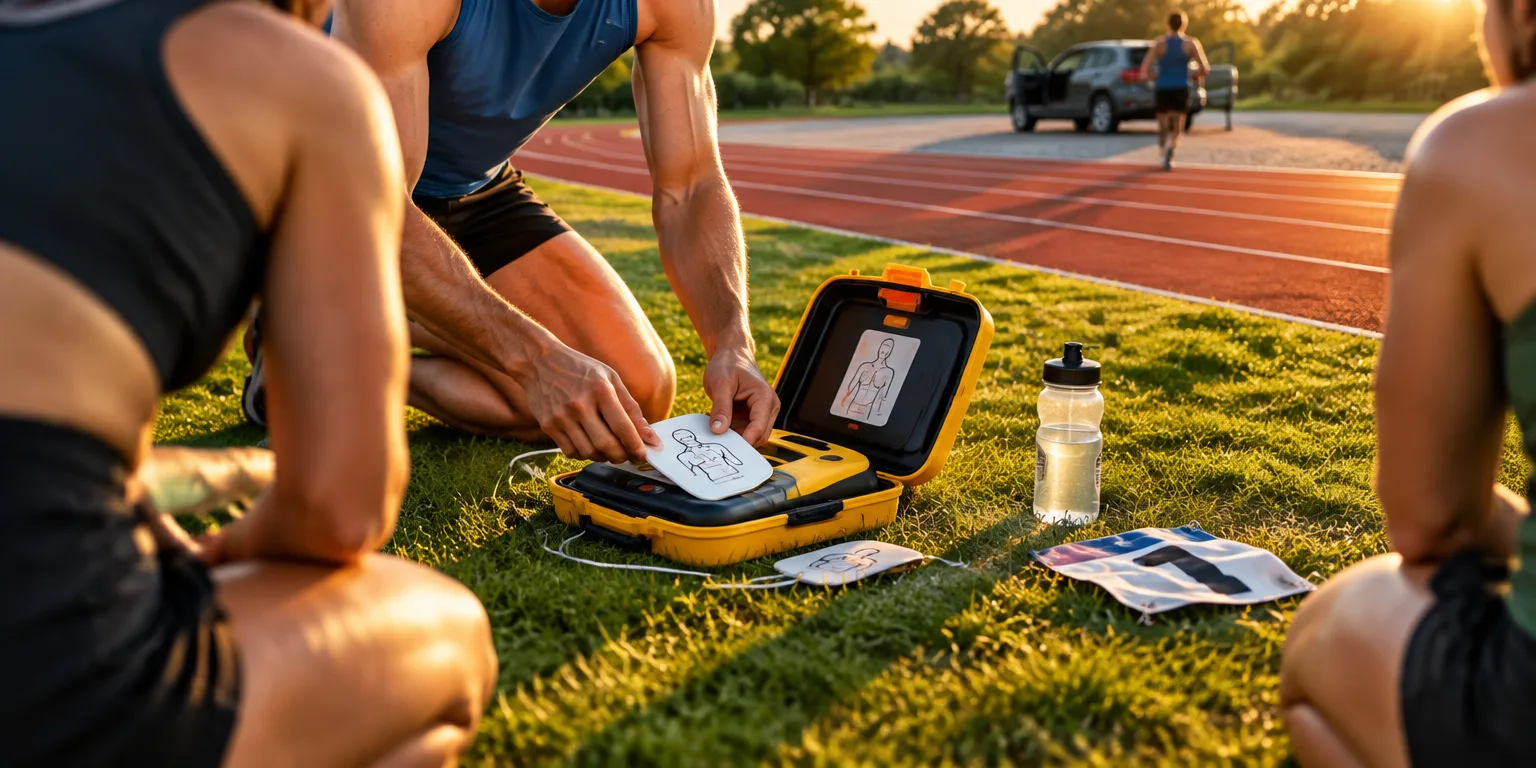
Two of the people who stepped forward were Joey Pointer, the boss who had hired her at Fleet Feet five months earlier, and his wife, Ivy. Their son, Liam, was born with a heart condition and will need heart surgery at some point. Years earlier, the family had bought a portable AED, a small device that delivers an electric shock to try to restart a normal heartbeat, to carry to Liam's track events in case something happened.
Joey ran to the car to get it. Chest compressions plus shocks from that AED brought back a pulse on the field, but Simpson's heart kept slipping into dangerous, racing rhythms and stopping again. She got several shocks on the field, received CPR for more than 20 minutes, and got at least three more shocks in the ambulance. Her heart stopped again once she reached the hospital.
She credits what she calls all the dominoes. There was high quality CPR from bystanders, medics who arrived quickly, and an AED already on site. There was also geography. After she went into advanced heart failure, she was flown to Duke, which specializes in hearts, because she had collapsed in North Carolina's Research Triangle, close to that kind of care. For several days, doctors did not know if she would survive.
The first night, when it was unclear if she would make it, Joey stayed by her bedside all night. Simpson said she knew him and Ivy well, "but not, like, sit by my bedside if I don't make it through the night kind of well." In the room, he reminded her of her family's saying, from her maiden name Barringer, "Barringers do hard things."
Questions people ask
What is the difference between sudden cardiac arrest and a heart attack?
A heart attack is a plumbing problem, when a blocked artery cuts off blood to part of the heart muscle. Sudden cardiac arrest is an electrical problem, when a faulty rhythm makes the heart stop pumping blood to the body. Arrest causes collapse within seconds, and without CPR and a shock from a defibrillator, it is usually fatal in minutes.
Do you need training to use a portable AED?
No. Public AEDs are designed for untrained bystanders, with voice prompts that walk you through placing the pads and pressing the shock button. The device checks the heart rhythm itself and will only advise a shock if one is needed. Experts say calling 911, starting chest compressions, and sending someone for the AED are the most important steps.
Why did 20 minutes of CPR still allow her to recover?
Good CPR does not restart the heart, but it can keep oxygenated blood reaching the brain, kidneys, liver, and lungs until a shock or hospital care works. Simpson said that quality of those early compressions protected not just her life but her quality of life. That is why emergency doctors stress starting compressions immediately and pushing hard and fast in the center of the chest.