An Orca Mother Carried Her Dead Calf for 17 Days
No orca had ever been known to do it that long, and scientists still do not know why she did it.
 TED Talks Daily · What crows teach us about death | Kaeli Swift (re-release)
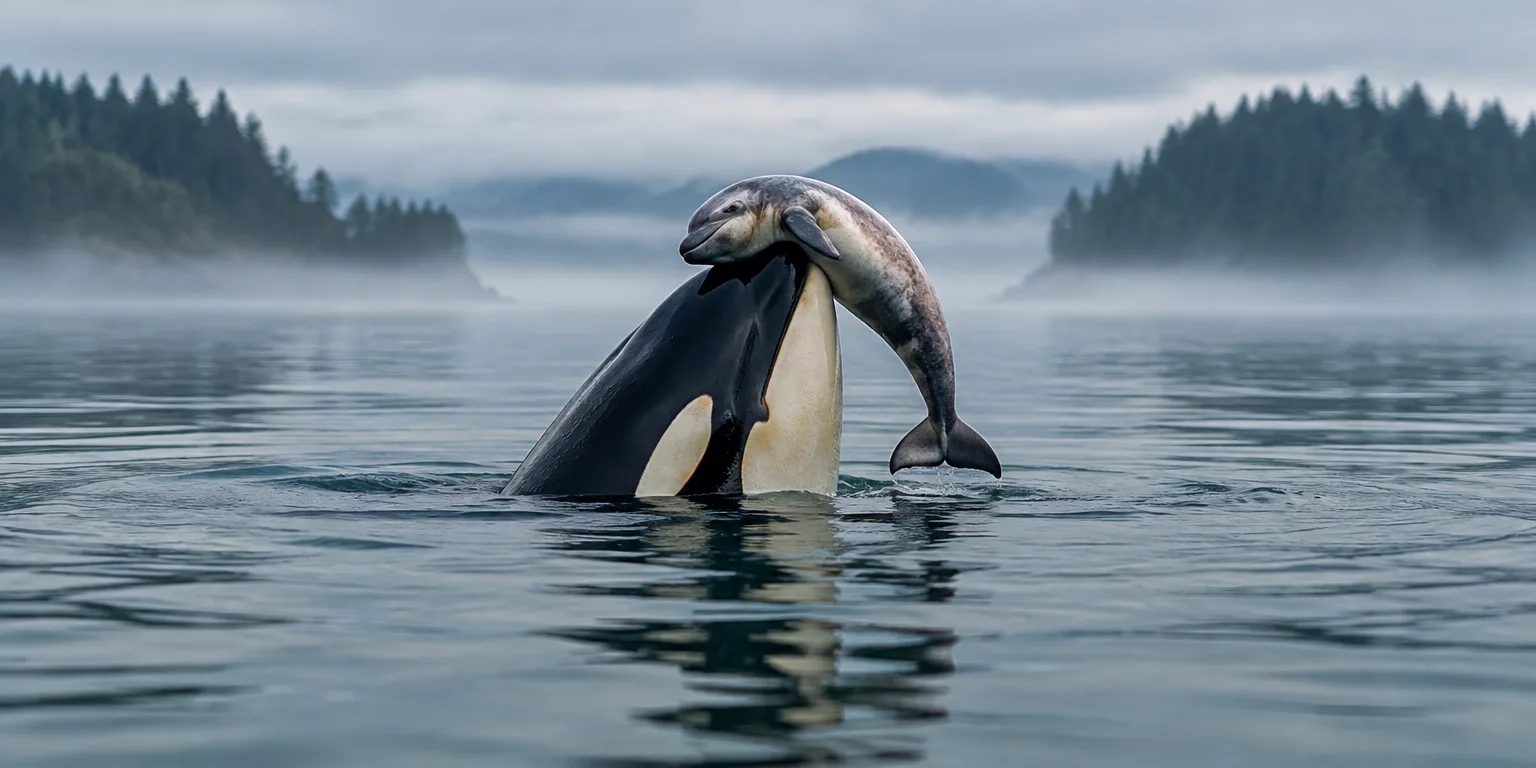
In the summer of 2018, Tahlequah, an orca mother from J-pod, a family group of orcas that stays in the same waters around Puget Sound, carried her dead calf for 17 days. No orca had ever been known to do it that long.
Animal behaviorist Kaeli Swift says "it offers far more questions than it does answers." Was she acting from grief? Was she confused by her calf not responding? Or is this kind of carrying more common than scientists think? Nobody knows yet.
Carrying dead infants has also been seen in primates, which groom, watch over, and guard their dead, and in dolphins. But it is difficult to run experiments on orcas and other large mammals to explain why, so researchers study crows, which also pay close attention to their dead. Often a crow that finds a body gives an alarm call and others gather around it, though people have also reported silent vigils and objects left near the body that are harder to explain.
Questions people ask
Is there a science of how animals handle death?
It is the formal study of how animals interact with their dead. The name was only introduced in 2016, as scientists began to systematically compare everything from insects that remove corpses for hygiene to elephants, primates, and dolphins that show more variable behavior.
What do crows usually do when they find a dead crow?
Typically the bird that finds the body gives an alarm call and other crows gather around it in what researchers call a mob. People have also reported quieter vigils, with crows sitting silently near a dying or dead crow.
Do elephants respond to their dead too?
Yes. Elephants are well known for paying attention to their dead, and they are even attracted to the bones of elephants that died earlier. Like the orca carry, most of what scientists know comes from observations rather than experiments.