An SS soldier hugged a Jewish boy hiding in Paris
He called the soldier a good man who was perfectly capable of killing many people.
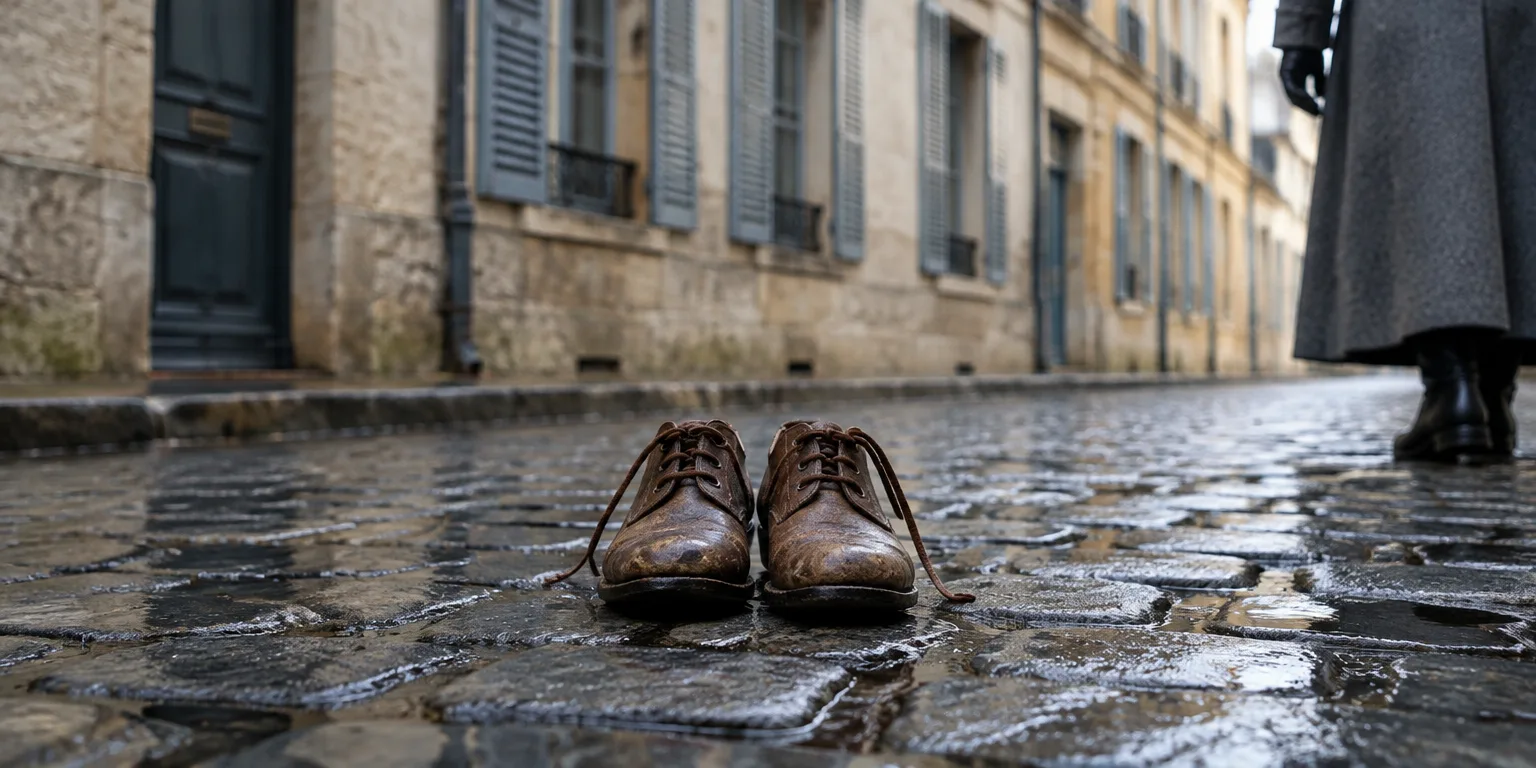
In Nazi-occupied Paris early in World War II, a German SS soldier picked up a small boy, hugged him, and pulled out a photograph of a young boy to show him.
The boy being held was Daniel Kahneman, the psychologist who would later receive the Nobel Prize in Economics and write the book Thinking Fast and Slow. Kahneman was Jewish, and he was living in a city where that fact could get him killed. The soldier, he said later, certainly did not know.
Kahneman told the story decades later when he was asked what the war taught about human psychology. The tenderness of that moment on the street sits beside what Kahneman later said about the man who held him.
He called the policy of extermination the big surprise of the war: "a surprise that they could do it," and a surprise that enough people willingly took part in it. That willing participation changed how many people saw human beings.
The trial of Adolf Eichmann, one of the organizers of the Holocaust, sharpened the lesson for him. It was very clear, Kahneman said, “if it could happen in Germany it could happen anywhere.” He did not think this reflected something unique to Germans.
What made it possible, in his account, was the power to stop seeing other people as people. Once a group is defined as outside, its members can be treated the way animals are treated at slaughter, without much feeling. He said "the combination of dehumanizing the other side and having uncontrolled power over other people doesn't bring out the most generous aspect of human nature."
He called the soldier who had held him “a good man,” and said he was “perfectly capable of killing a lot of people, and I’m sure he did.”
The division, he said, is built into human nature. There is loyalty and affection toward the in-group, the people who feel like us, and a willingness to dehumanize the out-group. The Holocaust did not invent that split, he said, but it showed what people can do and what can happen to people.
Questions people ask
What was Kahneman doing in Paris during the war?
He was born in Tel Aviv in 1934 and spent his childhood in Paris, where his family was living when Germany invaded France in 1940. His family was in hiding during much of the occupation, and his father was detained but later released. After the war, the family moved to what became Israel.
What was the SS?
The SS, short for Schutzstaffel, was the paramilitary organization under Adolf Hitler that ran the concentration camps and carried out much of the murder of European Jews. Its members were among the most ideologically committed Nazis. That is why an SS uniform signaled mortal danger to a Jewish child.