An Unpopular President Stays Where He Is Loved Because a Rally Can Help the Other Side
Many close races are in places Trump won easily, so his team is trying to wake up loyal voters without waking up opponents.
 Up First from NPR · Trump's Midterm Travel, Ukraine Starshield Restrictions, Houthis Attack Aramco
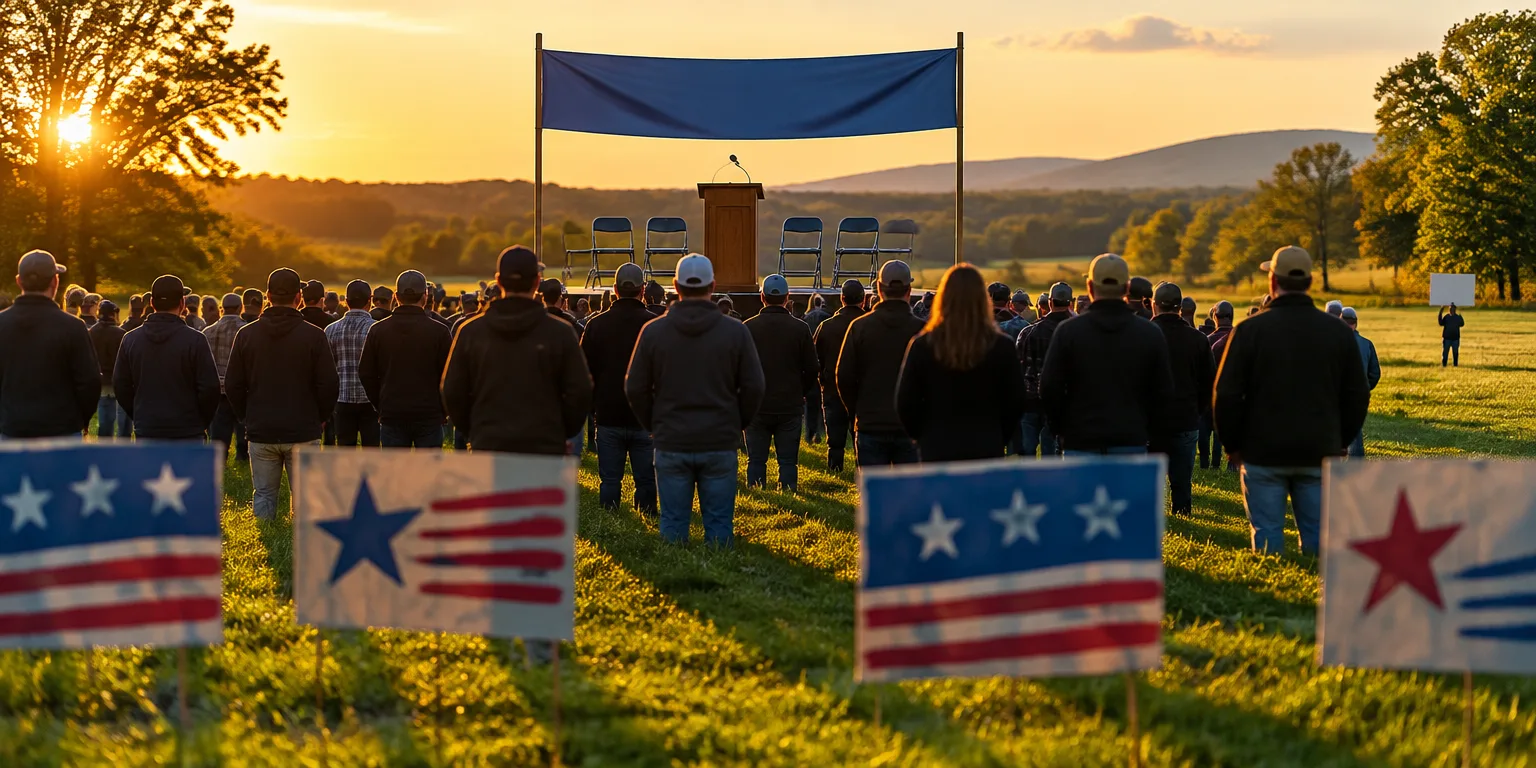
Presidents with low approval ratings often shrink their campaign map to friendly ground, and President Donald Trump is doing that now. His approval is deeply negative, the kind of position that has led other unpopular presidents to limit travel to places where crowds already cheer. A recent stop in Tennessee, which he won easily, fit the pattern.
There is a practical reason beyond the warm welcome. Many of this year's tight House and Senate contests are in areas he carried comfortably in the last presidential election. Republicans are defending ground in Alaska, Texas, Iowa, Ohio, and even Kansas.
Republican Party chairman Joe Gruters says the stops are chosen to fire up core Republican voters, focusing on communities that backed Trump strongly before. The goal, in Trump's words, is "turnout, turnout, turnout," getting loyal voters from the last presidential election to vote as though his own name were on the ticket again.
The limit is that a Trump rally cuts both ways. Reporter Tamara Keith says "there are a lot of places where if Trump held a rally, he'd do more to amp up the opposition than boost the base." On Sept. 2, he held a Rose Garden dinner for about 30 candidates in competitive races, and Trump pledged "I'm going to go to every one of those 35 places," but since then he has campaigned with only a handful of them. Keith says this is partly because the lineup of competitive races changed and partly because of the risk of energizing opponents.
Questions people ask
Why is turnout such a big deal in a midterm election?
Turnout usually falls in midterms compared with presidential years, and the president's party often loses seats. That is why both parties focus less on persuading undecided voters and more on getting their most loyal supporters to show up.
Do rallies actually help a candidate win?
They can, especially for getting supporters to vote rather than changing minds. A large rally creates local news coverage, recruits volunteers, and collects contact information for follow-up calls and door knocks.
How can a rally for one side help the other side?
A high-profile opponent can give voters a clearer reason to vote against something, and can attract donations and volunteers to the other campaign. If a candidate leads by a small margin, a rally that brings out 500 extra supporters but also angers 700 opponents into voting leaves that candidate worse off.